Introduction
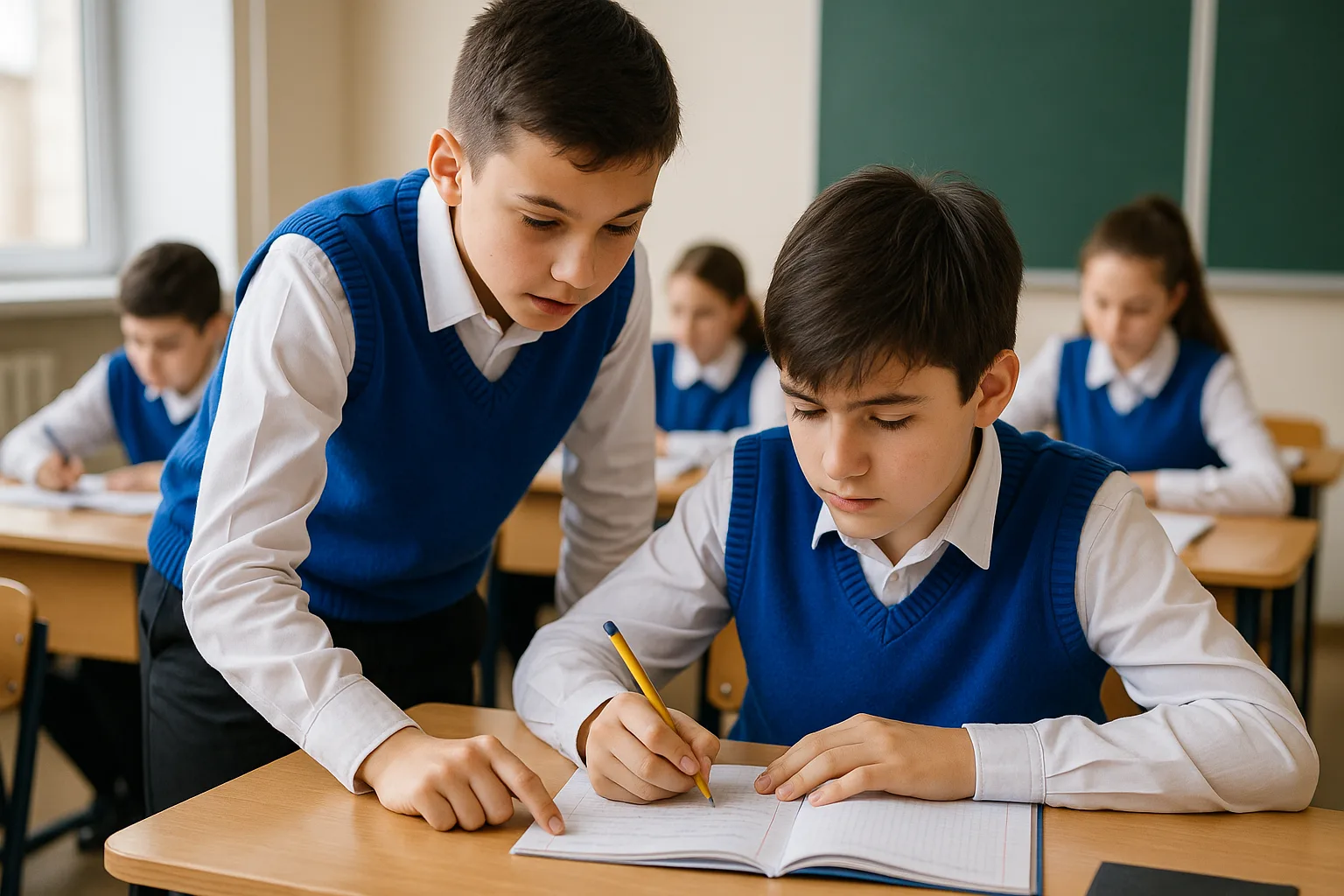
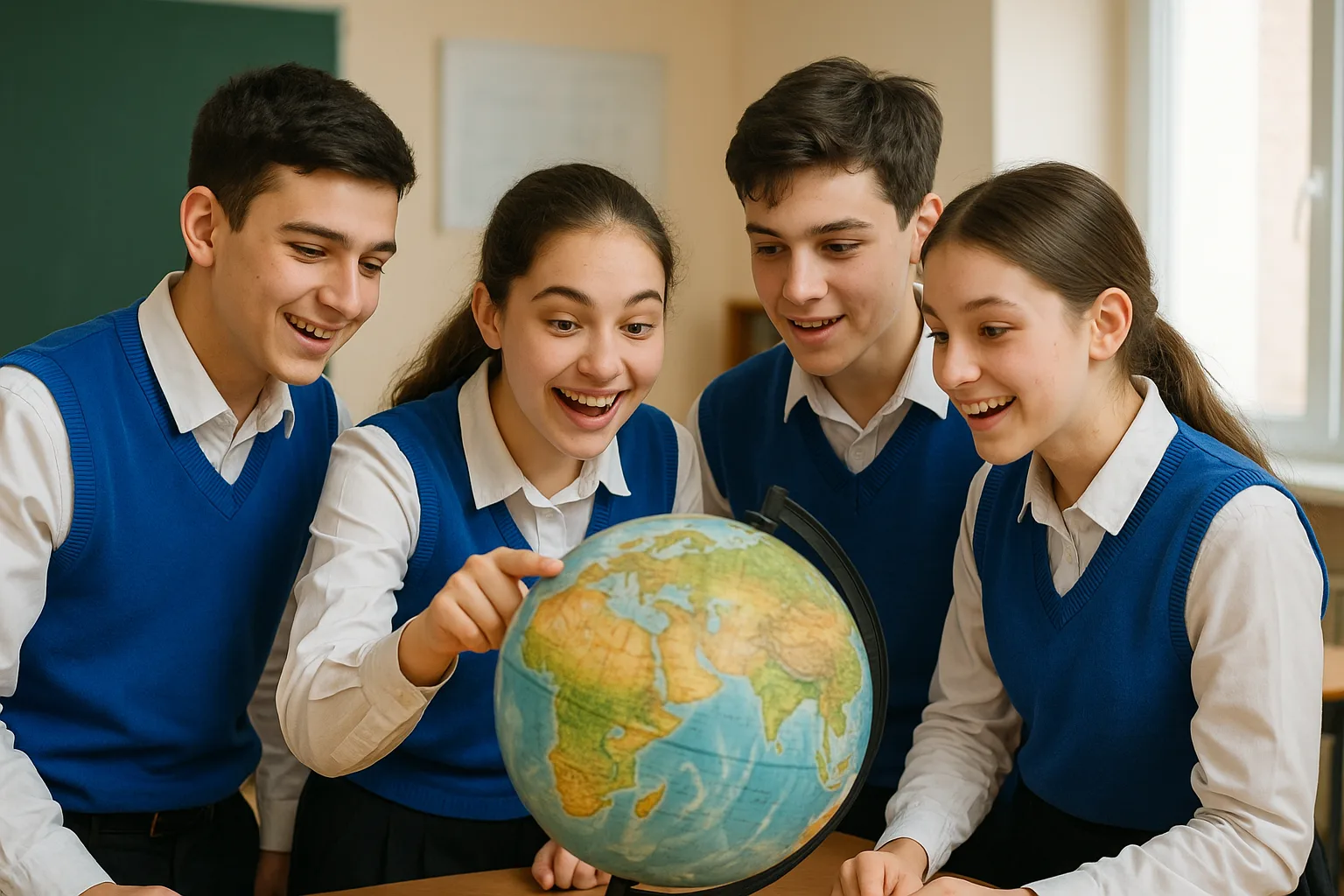
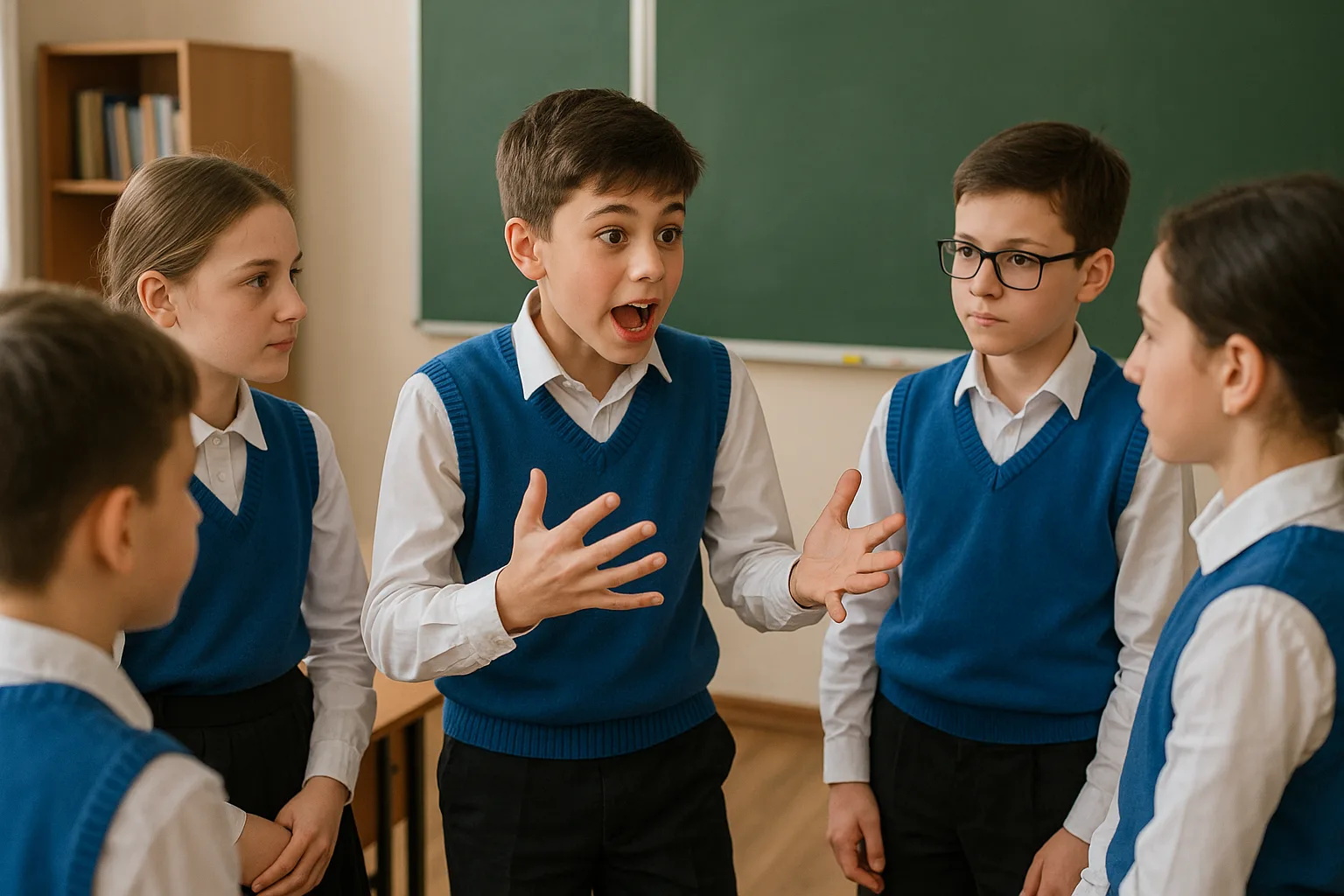
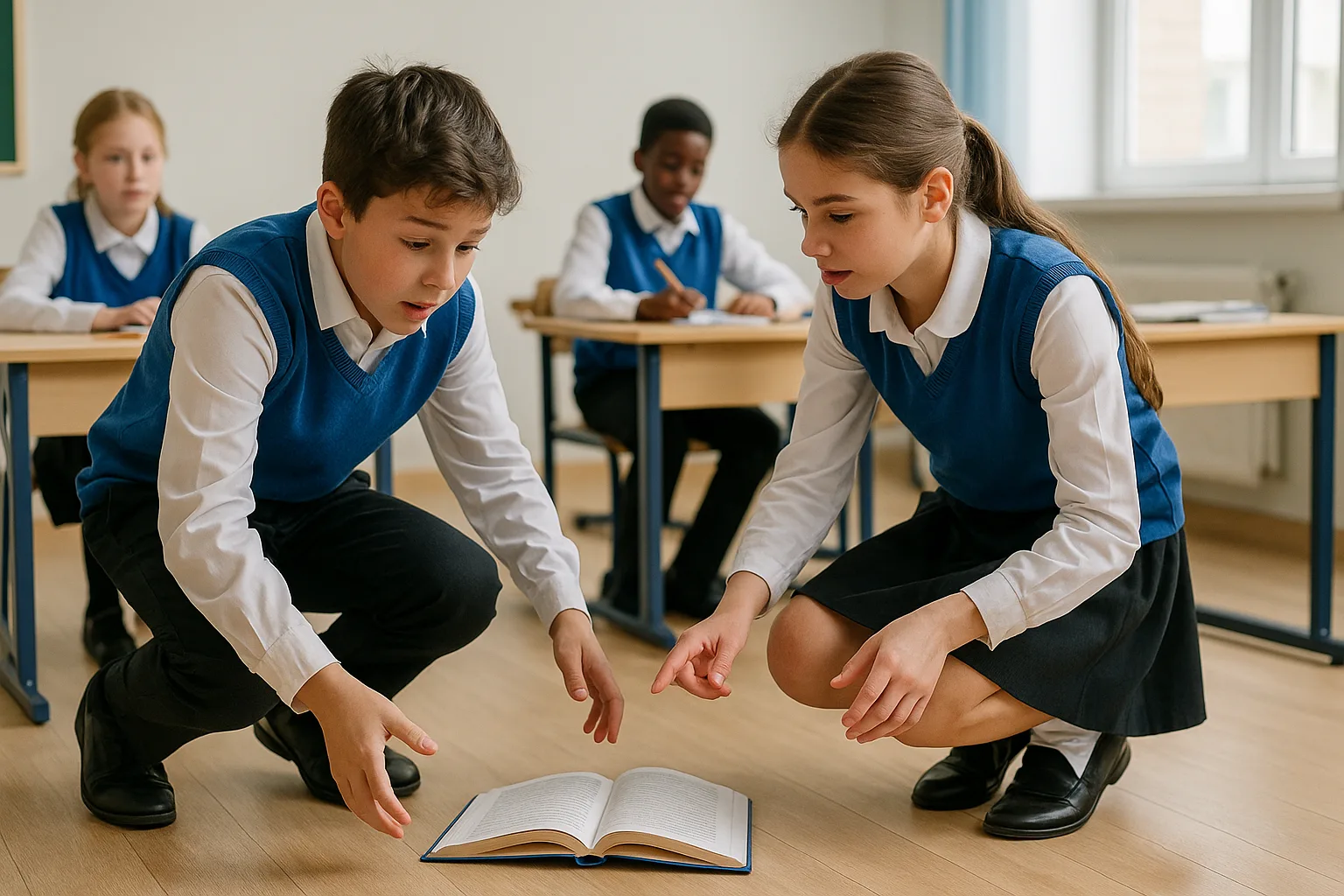
Karachaevsk — perched on the foothills of the Greater Caucasus — is uniquely positioned to blend rigorous gymnasium traditions with forward-looking, regionally sensitive innovations. By honoring local languages, culture and environment while adopting contemporary pedagogies, gymnasiums here can produce academically strong, civically minded and creatively resilient young people.
Core values of gymnasium education
Gymnasium education in the Karachay-Cherkess context should emphasize:
— *Academic excellence*: sustained focus on depth of knowledge, analytical skills and mastery of core disciplines.
— *Holistic development*: intellectual, emotional, physical and ethical growth.
— *Cultural continuity*: respect for Karachay and regional traditions, languages and arts as foundations of identity.
— *Civic responsibility*: active citizenship, social cohesion and community service.
— *Critical and creative thinking*: problem-solving, inquiry-based learning and independent research.
Progressive educational practices to adopt
To translate these values into practice, Karachaevsk gymnasiums can incorporate:
— Student-centered and project-based learning: interdisciplinary projects that tackle local issues (water management, mountain ecology, cultural heritage documentation).
— Blended and digital learning: adaptive learning platforms, flipped classrooms and virtual collaborations to overcome geographic isolation.
— Bilingual and multicultural education: balanced instruction in Russian and Karachay (and other local languages), with curricular materials that reflect regional stories and knowledge.
— Experiential and outdoor education: fieldwork in the Caucasus environment—biology, geology, agriculture and environmental stewardship lessons outside the classroom.
— Competency-based assessment: portfolios, presentations and project deliverables alongside traditional exams to capture a fuller picture of student achievement.
— Inclusive practices: differentiated instruction, support services and accessible resources that ensure all learners thrive.
Regional teaching innovations suited to Karachaevsk
Karachaevsk’s context invites targeted innovations that leverage local strengths:
— Place-based curricula: units built around local history, crafts, music and ecology that make learning relevant and preserve heritage.
— School–community partnerships: collaborations with local elders, artisans, environmental groups and municipal services for mentorships and real-world tasks.
— Short-cycle professional development for teachers: localized workshops and peer coaching focusing on bilingual pedagogy, active learning strategies and classroom tech tools.
— Micro-labs and maker-spaces: small-scale labs for STEM experimentation and traditional crafts, encouraging cross-generational skill transfer.
— Mobile learning hubs: portable digital labs or bus-based classrooms to reach remote settlements during seasonal constraints.
— Student research incubators: support for young scholars to pursue topics tied to regional development, leading to local exhibitions and civic dialogue.
Practical steps for implementation
— Audit and adapt curricula to include local content and bilingual materials.
— Invest in teacher training that combines pedagogical innovation with cultural competence.
— Pilot 1–2 interdisciplinary projects per term that engage community partners and culminate in public showcases.
— Establish simple digital infrastructure (stable internet, shared devices, learning management system) and train staff to use it effectively.
— Create incentive structures for teachers and students: recognition, micro-grants or community awards for successful innovations.
— Monitor impact with qualitative and quantitative indicators: student engagement, language proficiency, project outcomes and community feedback.
Benefits for students and the community
— Stronger academic outcomes paired with real-world skills and employability.
— Preservation and revitalization of regional languages, crafts and knowledge.
— Enhanced civic engagement and social capital as students work on community challenges.
— Resilient, adaptable learners ready for higher education or regional entrepreneurship.
Conclusion
Gymnasium education in Karachaevsk can serve as a bridge between time-honored academic rigor and inventive, place-sensitive teaching. By centering local identity, empowering teachers and embracing modern pedagogies, schools here can cultivate generations who are both deeply rooted in the Caucasus and prepared for the global future. Stakeholders — educators, families, municipal leaders and cultural bearers — share the opportunity and responsibility to make this vision a practical, measurable reality.