Progressive Gymnasium Education in Karachaevsk: Values, Practices, and Regional Innovations
Introduction
Karachaevsk and the surrounding Karachay-Cherkess Republic face unique educational opportunities and challenges: a diverse ethnic landscape, mountain geography, and rich cultural traditions. Gymnasiums, with their emphasis on deep academic formation and civic values, are well placed to pilot progressive practices that respect local identity while preparing students for the 21st century. This article outlines core values of gymnasium education, progressive pedagogies that work in the regional context, concrete local innovations already emerging (or easily adoptable), and practical steps to scale these approaches.
Core values of gymnasium education (adapted to Karachaevsk)
— Intellectual rigor and curiosity: cultivating depth in mathematics, sciences, languages, and humanities.
— Civic responsibility and cultural respect: educating students to contribute to communal life while honoring Karachay, Russian, and other local cultures.
— Bilingual/multilingual competence: strong command of Russian plus preservation and functional use of Karachay-Balkar and other local languages.
— Aesthetic and ethical formation: art, music, and moral education rooted in local traditions and universal values.
— Lifelong learning and adaptability: fostering meta-skills (critical thinking, collaboration, digital literacy).
Progressive educational practices suited to the region
— Project-based and place-based learning
— Projects tied to local ecology, history, crafts, and economy (e.g., watershed studies, mountain tourism design, traditional craft revitalization).
— Cross-disciplinary teams (science + local history + economics) produce tangible community outputs.
— Competency-based and formative assessment
— Portfolios, performance tasks, and exhibitions replace or complement high-stakes testing to show real competence.
— Continuous feedback loops for students and parents.
— Bilingual and culturally responsive instruction
— Instructional materials and activities that incorporate Karachay-Balkar language, folklore, and local narratives alongside the standard curriculum.
— Language nests, after-school language labs, and community elders as co-teachers.
— Digital tools and blended learning
— Use of adaptive learning platforms for individualized progress, especially valuable in remote mountain settlements.
— Virtual exchanges with other Russian regions and international partners.
— Inclusive and differentiated instruction
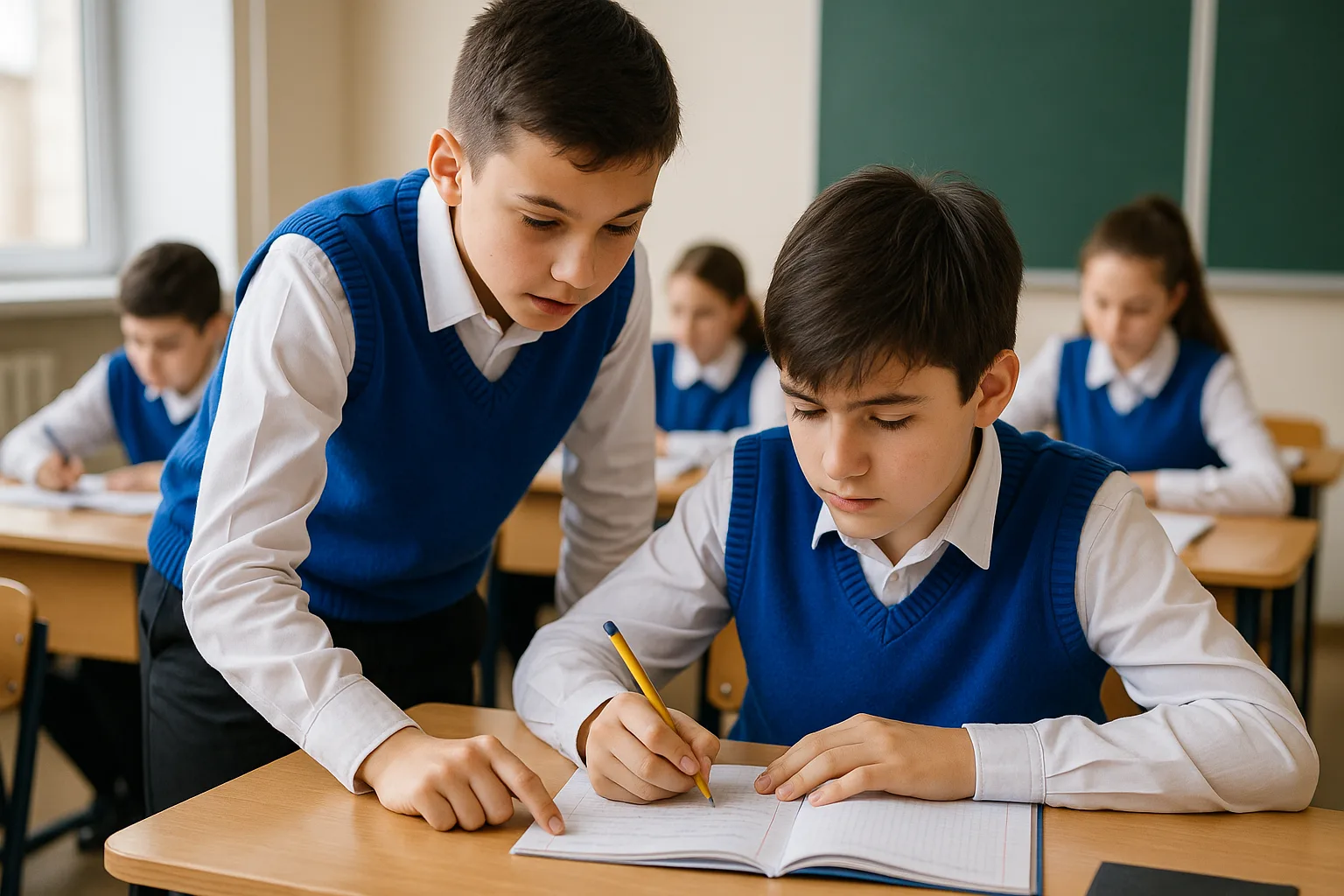
— Small-group models and individualized learning plans for students with diverse needs and talents.
— Co-teaching models integrating subject specialists and special educators.
— Experiential outdoor education and environmental stewardship
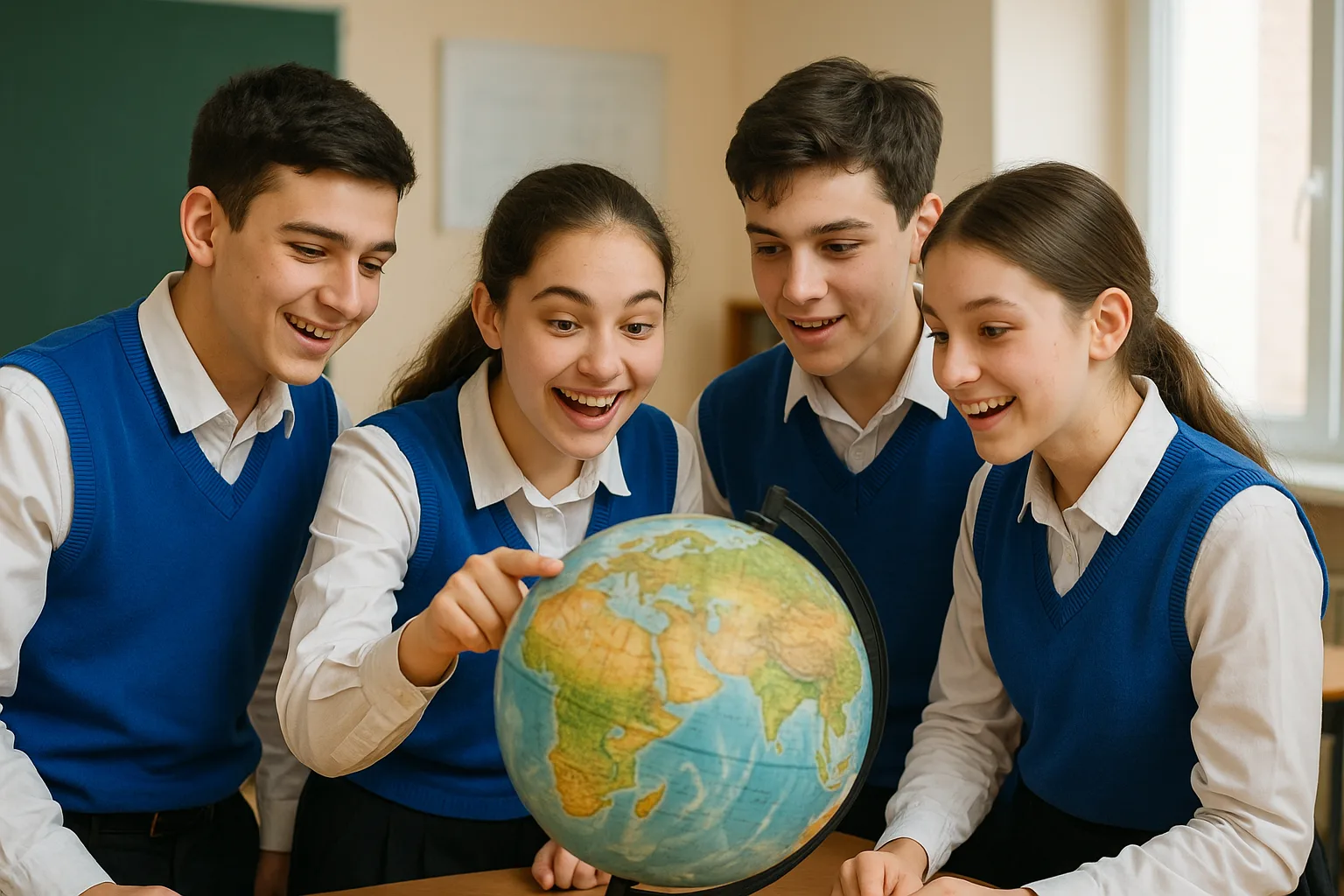
— Regular field trips, mountain ecology labs, and service projects focused on conservation and sustainable land use.
— Maker spaces and STEAM integration
— Workshops for robotics, traditional crafts, and engineering projects that link local needs (e.g., seasonal infrastructure) with modern skills.
Regional teaching innovations in Karachaevsk (examples and potentials)
— Bilingual curricular modules: Schools pair Russian curriculum standards with modules in Karachay-Balkar history, literature, and language—created with local cultural centers.
— Mountain pedagogy: Lessons that use the surrounding massif as a classroom—geology walks, avalanche safety workshops, and climate-change monitoring projects with students contributing data to regional databases.
— Community apprenticeship programs: Partnerships with local artisans (weaving, woodcarving), tour operators, and agricultural cooperatives to give students hands-on vocational and entrepreneurial experience.
— Local museum and archive collaborations: Joint projects where students curate exhibits about Karachay heritage, producing research, translations, and multimedia stories.
— Teacher professional learning communities (PLCs): Regional PLCs and summer institutes for gymnasium teachers focusing on inquiry-based methods, bilingual instruction, and assessment reform.
— Remote learning hubs: Satellite facilities in smaller settlements providing synchronous lessons from gymnasium specialists and mentoring for local teachers.
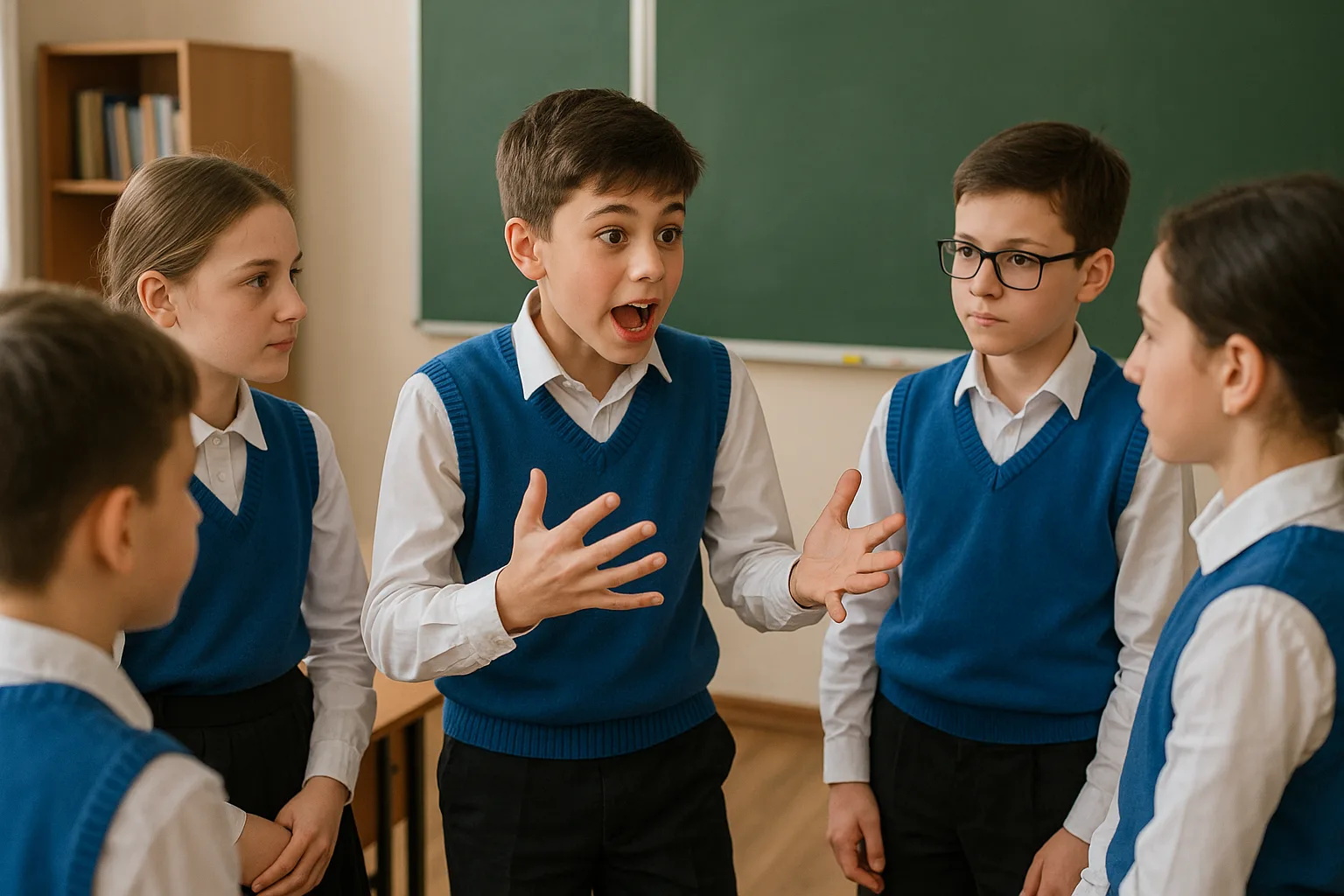
— Student-led civic initiatives: Youth councils that work with municipal authorities on cultural festivals, environmental campaigns, and public-service projects.
Practical steps to implement and scale innovations
1. Start with pilots: Choose one or two gymnasiums to pilot integrated projects (e.g., a year-long place-based interdisciplinary module).
2. Build local partnerships: Engage municipal authorities, cultural centers, museums, artisans, NGOs, and parents from the planning stage.
3. Invest in teacher development: Regular workshops, peer coaching, and funded exchanges with progressive schools elsewhere in Russia.
4. Curriculum mapping: Align new modules with federal and regional standards so innovations complement rather than conflict with exam requirements.
5. Provide resources: Seed funding for maker spaces, field equipment, bilingual materials, and modest stipends for community co-teachers.
6. Use assessment that documents growth: Portfolios, public exhibitions, and competency rubrics that capture language skills, project outcomes, and civic engagement.
7. Scale iteratively: Evaluate pilots by clear indicators, refine, and expand successful models to neighbouring districts.
Measurable outcomes and indicators
— Academic achievement trends in core subjects and language proficiency.
— Student engagement metrics: attendance, participation in projects, and extracurricular involvement.
— Portfolio quality and performance assessment scores (capstone projects, exhibitions).
— Community indicators: number of partnerships, local events co-organized by students, and feedback from cultural institutions.
— Long-term: higher secondary completion rates, university or vocational placements, and youth retention in the region.
Challenges and mitigation
— Resource constraints: pursue regional grants, federal education funds, and local sponsorships.
— Teacher workload and skills gap: phase professional development and provide time-release for planning.
— Balancing standards and innovation: map innovations to required standards and document alignment for education authorities.
— Linguistic tensions: ensure inclusive planning with representation from all local ethnic groups and clear communication on bilingual goals.
Conclusion and call to action
Karachaevsk’s gymnasiums can become models of education that combine rigorous academic formation with respect for local identity and forward-looking skills. By adopting progressive, place-based practices and investing in teachers, partnerships, and meaningful assessment, the region can prepare young people to thrive locally and globally. Municipal leaders, school principals, teachers, parents, and cultural institutions should convene working groups to design pilots this academic year—small steps that can transform schooling across the Karachay-Cherkess Republic.
For immediate next steps:
— Identify one gymnasium to host a pilot interdisciplinary project this semester.
— Convene a stakeholder meeting (teachers, parents, cultural leaders) within 30 days.
— Apply for a small regional grant to fund teacher training and materials.
Together, these actions will honor regional heritage while building the competencies students need for the future.