Introduction
Karachaevsk, located in the heart of the North Caucasus, sits at the intersection of rich cultural traditions and rapidly changing educational needs. Gymnasiums in Russia have long stood for rigorous academics and cultural formation. Today, by combining those enduring values with progressive practices and regionally tailored innovations, Karachaevsk can offer a model of schooling that prepares young people for both local citizenship and global challenges.
The core values of gymnasium education
Gymnasium education emphasizes more than test scores; it’s shaped around values that remain essential as schools evolve:
— *Intellectual curiosity and academic excellence* — deep knowledge across humanities, sciences, and languages.
— *Civic and cultural identity* — respect for local traditions, languages, and community life alongside civic responsibility.
— *Holistic personal development* — critical thinking, creativity, emotional resilience, and ethical behavior.
— *Lifelong learning and adaptability* — readiness to learn, unlearn, and apply knowledge in new contexts.
Progressive practices that strengthen gymnasium goals
Adopting progressive pedagogies need not replace traditional strengths; instead, these practices complement and amplify gymnasium values.
— Project-based learning (PBL)
— Students tackle real problems (e.g., local environmental monitoring along the Teberda watershed), integrating STEM, languages, and social studies.
— PBL develops research skills, collaboration, and local stewardship.
— Interdisciplinary STEAM approaches
— Blend science, technology, engineering, arts, and math to promote creativity and practical problem solving.
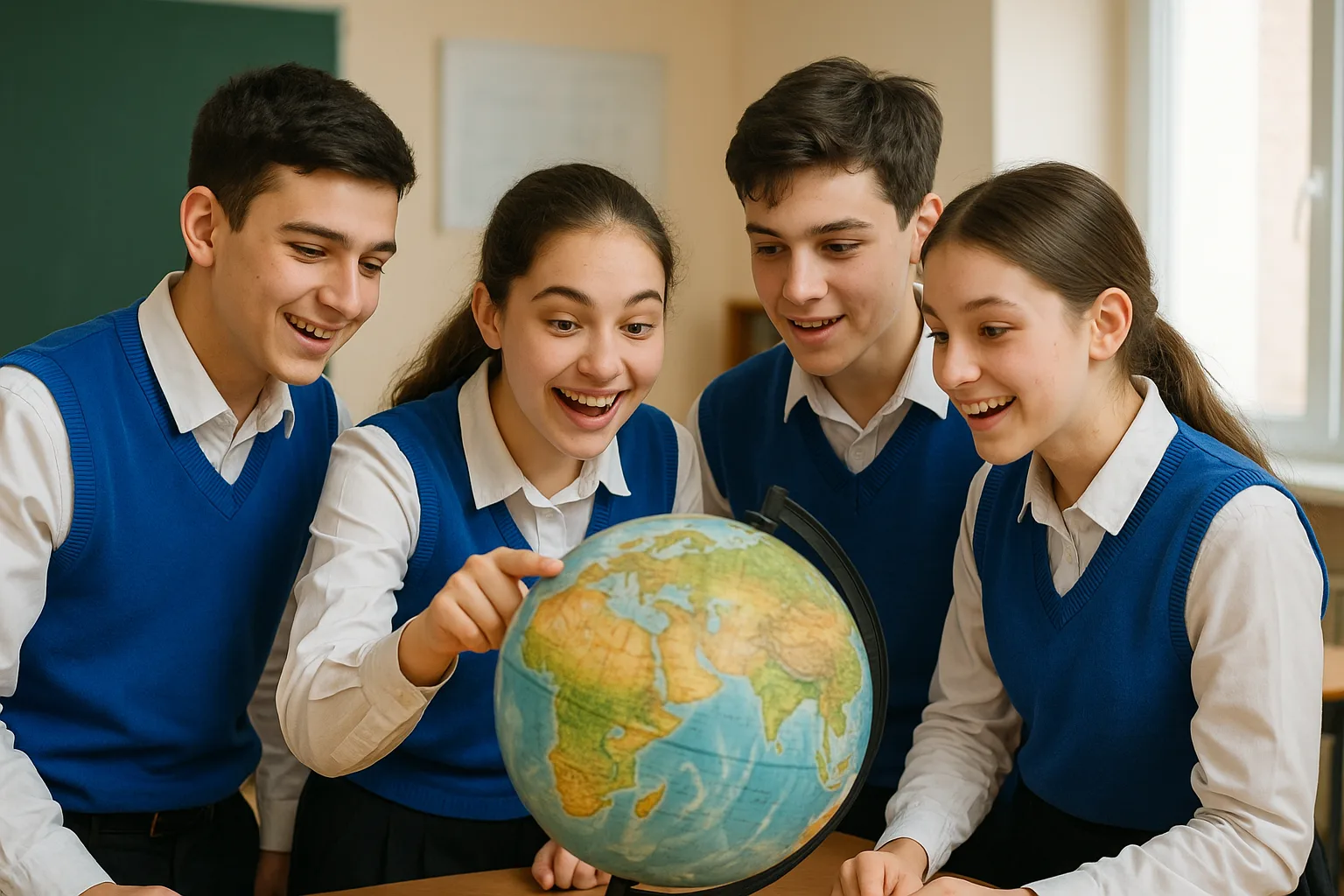
— Example: a geography–art project mapping local folk landmarks with digital storytelling.
— Bilingual and culturally responsive education
— Strengthen Russian proficiency while valuing Karachay and other local languages through literature, oral history, and community elders’ involvement.
— Culturally relevant curricula boost identity and engagement.
— Inclusive, differentiated instruction
— Use formative assessment and tiered tasks so every learner progresses, including gifted students and those needing support.
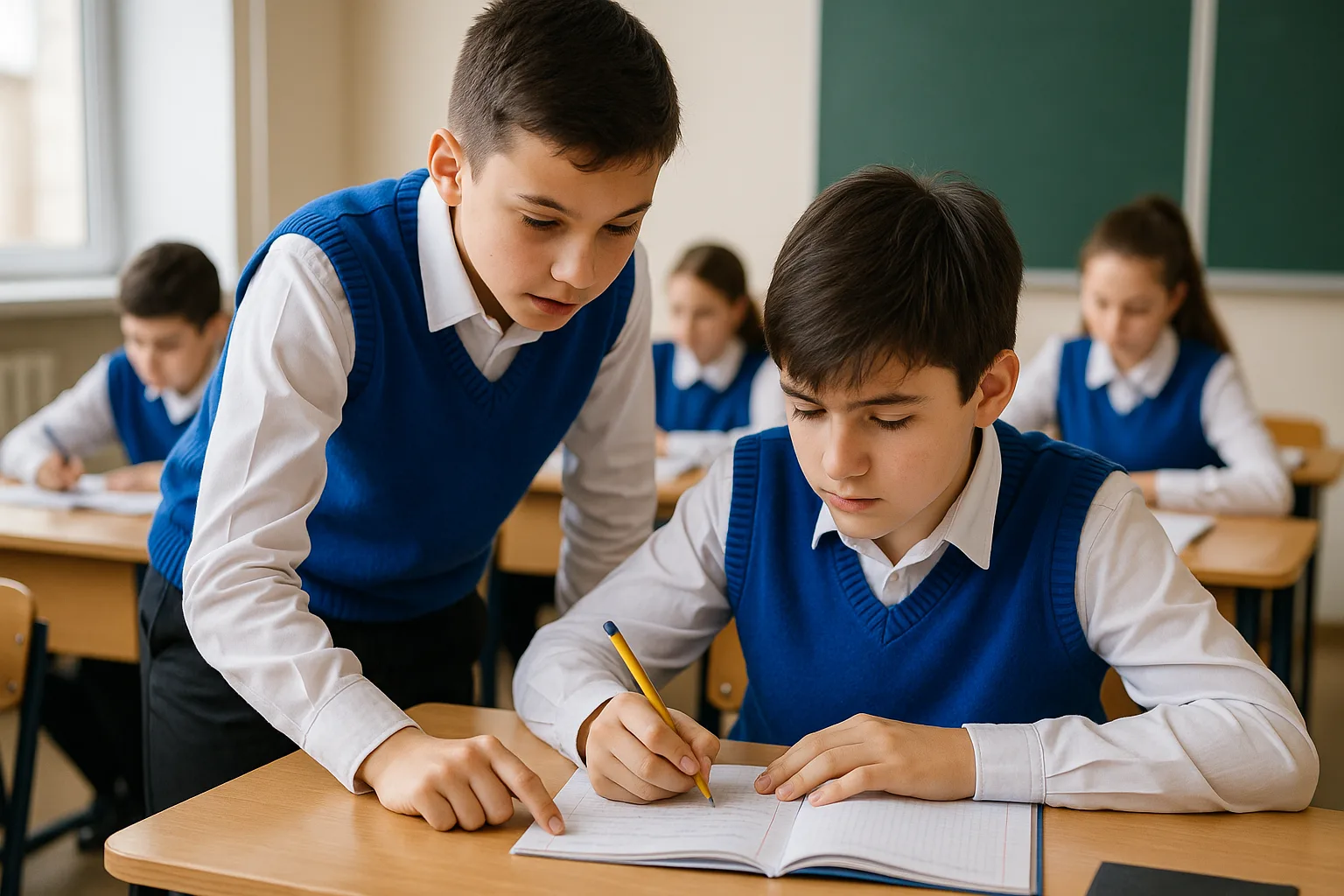
— Peer tutoring and cross-age mentoring foster leadership and empathy.
— Digital literacy and blended learning
— Combine classroom instruction with online resources and e-portfolios to personalize learning and build 21st-century skills.
— Introduce digital citizenship, coding basics, and data literacy within subject lessons.
— Experiential and place-based learning
— Fieldwork in nearby nature reserves, local industries, and cultural sites connects theory with lived experience.
— Community service projects reinforce civic values and practical competencies.
Regional teaching innovations for Karachaevsk
Karachaevsk’s geography and culture are assets for creative, locally rooted education initiatives.
— Local ecosystem labs and environmental education
— Partner with Teberda nature centers to create outdoor classrooms for biodiversity monitoring, climate studies, and conservation workshops.
— Folklore and crafts integration
— Workshops with artisans (weaving, music, storytelling) incorporated into arts and history curricula, preserving traditions while fostering entrepreneurship.
— School–community partnerships
— Formal ties with municipal leaders, cultural institutions, and local businesses can supply mentorships, internships, and civic projects.
— Mobile and satellite classroom initiatives
— Use mobile labs and traveling teacher teams to reach remote mountain settlements, ensuring equitable access to specialized instruction (science, languages, arts).
— Regional teacher innovation networks
— Create teacher learning communities across Karachay-Cherkessia for sharing lesson resources, co-creating curricula, and peer coaching — supported by short-term grants or regional education departments.
— Place-based assessment and e-portfolios
— Replace purely exam-focused assessment with cumulative e-portfolios documenting projects, performances, community work, and language competency.
Implementation roadmap (practical steps)
1. Audit and visioning
— Convene teachers, parents, students, and community leaders to map local strengths, needs, and priorities.
2. Pilot projects
— Launch 2–3 pilots (e.g., PBL environmental science, bilingual literature unit, maker-space) in one or two gymnasium classes.
3. Professional development
— Offer targeted PD: PBL facilitation, formative assessment, digital tools, culturally responsive pedagogy.
4. Community partnerships
— Formalize agreements with nature reserves, cultural centers, and local businesses for fieldwork and internships.
5. Scale and adapt
— Evaluate pilots, refine approaches, and expand successful initiatives across the gymnasium network.
6. Sustain and fund
— Seek regional grants, university partnerships, and modest local sponsorships to sustain programs and materials.
Measuring impact
Use a mix of qualitative and quantitative indicators:
— Student outcomes: project performance, language proficiency, critical thinking tasks, attendance and retention.
— Portfolio evidence: growth in competencies, exhibitions, or community presentation records.
— Teacher growth: participation in PD, classroom observations, peer feedback.
— Community benefits: documented partnerships, local projects completed, stakeholder satisfaction.
Challenges and mitigation
— Resource constraints: start small with low-cost pilots, leverage local expertise, and apply for regional grants.
— Resistance to change: involve staff in planning, highlight classroom wins, and provide coaching.
— Equity concerns: ensure innovations serve all students, including remote and socioeconomically disadvantaged learners.
Conclusion and call to action
Karachaevsk stands poised to blend the respected values of gymnasium education with forward-looking, regionally relevant practices. By centering local culture and environment, investing in teacher capacity, and piloting inclusive progressive methods, gymnasiums can produce graduates who are academically strong, culturally grounded, and ready for the complexities of the 21st century.
Take one immediate step: assemble a short working group (3–5 teachers, 2 parents, 1 student, 1 local partner) to design a six-month pilot project that integrates a local topic—such as mountain ecology or folk arts—into an interdisciplinary learning sequence. This small move can spark broader transformation.