Introduction
Karachaevsk sits at the crossroads of rich cultural heritage, dramatic mountain landscapes, and a tight-knit community. For gymnasiums—institutions traditionally known in Russia for rigorous academics and moral education—this context creates a unique opportunity: to strengthen classical educational values while adopting progressive practices tailored to regional needs. This article outlines how Karachaevsk gymnasiums can marry tradition and innovation to produce well-rounded, locally rooted, and globally competitive graduates.
Core values of gymnasium education (reframed for Karachaevsk)
— *Academic excellence and inquiry*: deep subject mastery, research skills, and preparation for higher education.
— *Moral and civic responsibility*: leadership, respect for civic institutions, and active contribution to the community.
— *Cultural continuity*: preservation and transmission of local language, history, folklore, and arts.
— *Holistic development*: social-emotional learning, aesthetic education, physical health, and creativity.
— *Equity and inclusion*: ensuring access for all students regardless of background or location.
Progressive practices that align with gymnasium values
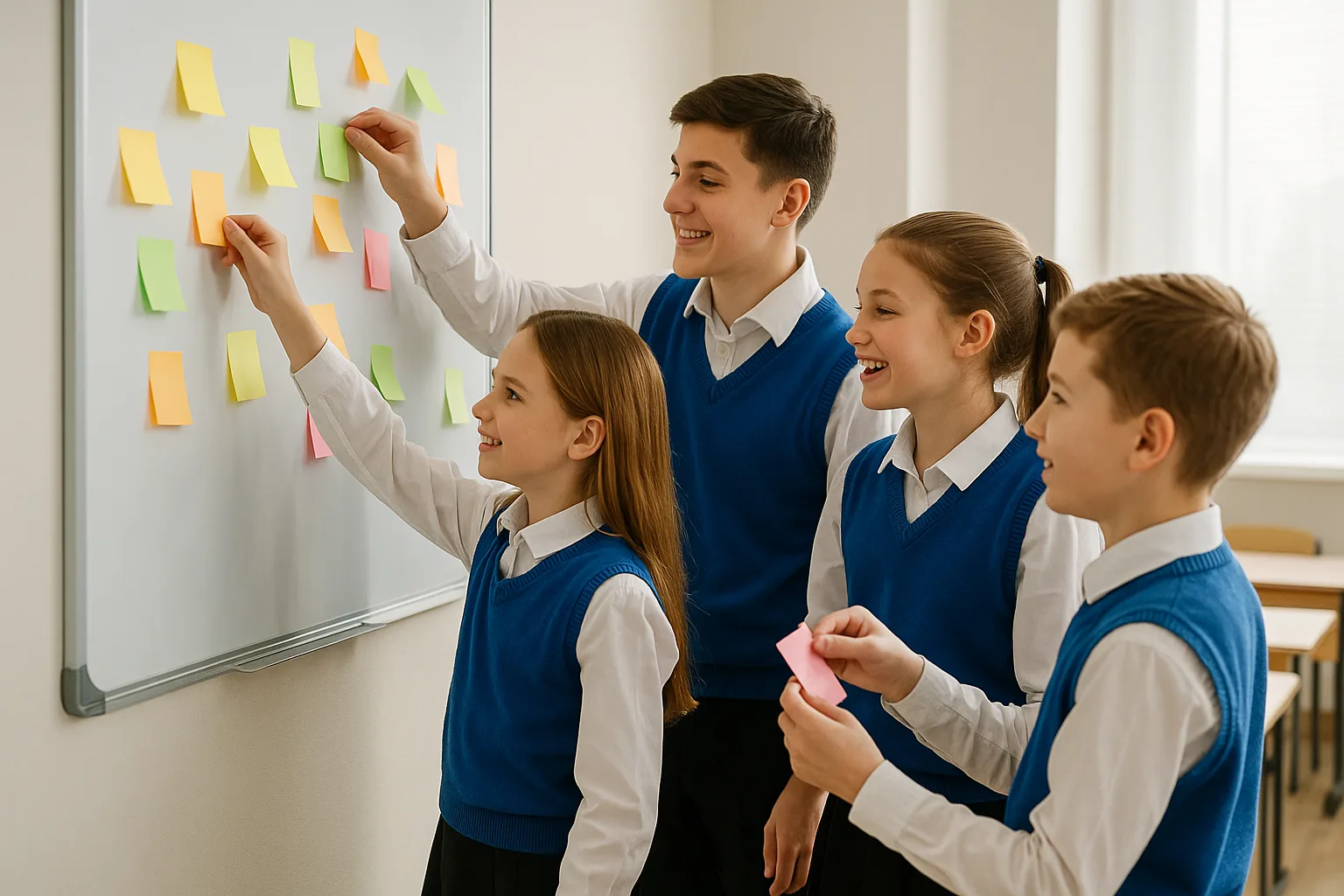
— Student-centered learning: personalized learning plans, mentorships, and choice-based projects.
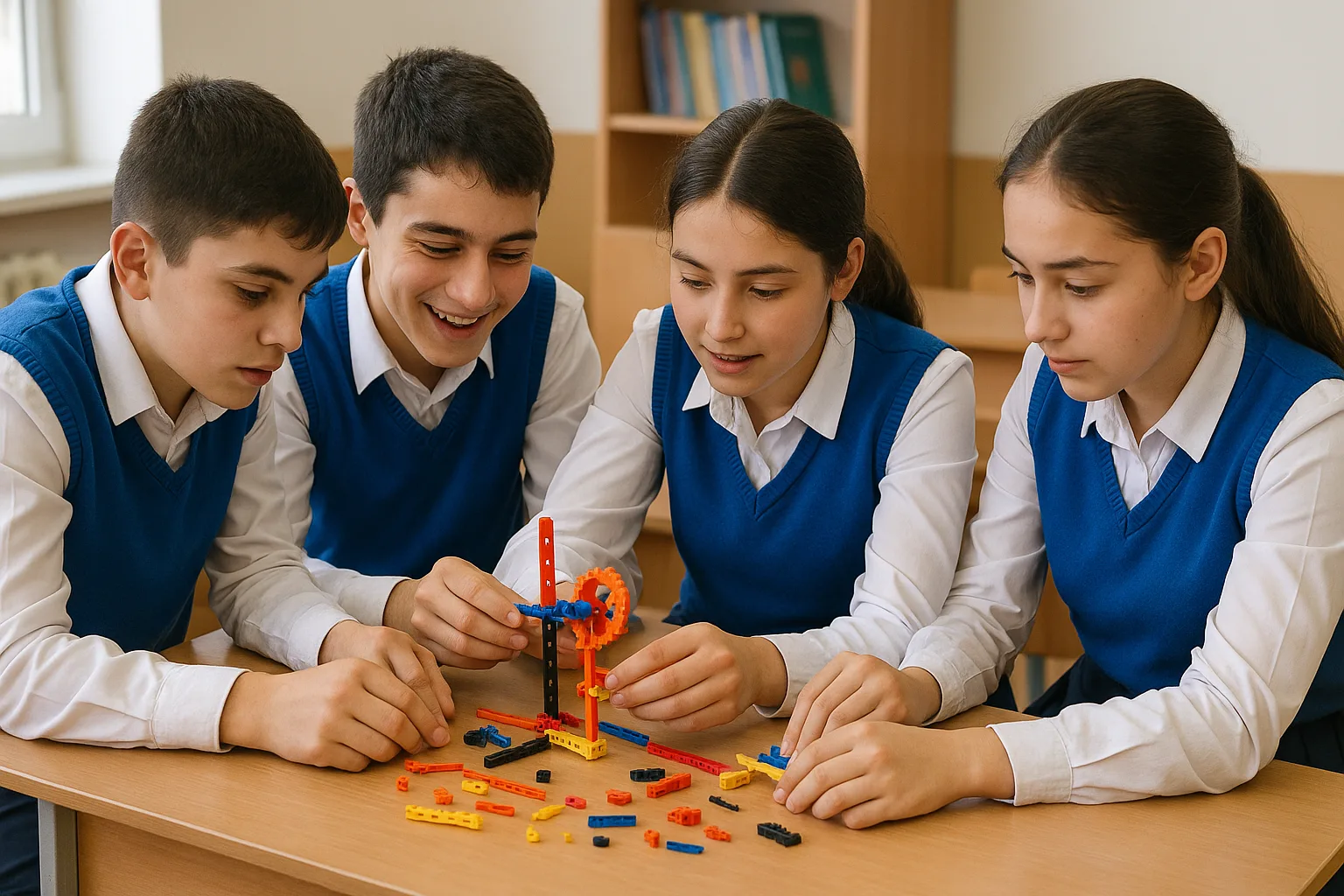
— Project-based and inquiry-based approaches: multi-disciplinary projects rooted in local issues.
— Formative and competency-based assessment: ongoing feedback and measurable competencies beyond test scores.
— Blended and flipped learning: digital resources combined with face-to-face mentorship to extend learning beyond the classroom.
— Outdoor and place-based education: using Karachaevsk’s landscape as a living classroom for science, history, and physical education.
— Social-emotional learning (SEL): integrating SEL into daily routines to support resilience and collaboration.
— Teacher professional communities: lesson study, peer observation, and micro-credentialing to spread best practice.
Regional teaching innovations suited to Karachaevsk
— Place-based curriculum modules: units such as “Mountain Ecology,” “Local History through Oral Narratives,” and “Sustainable Pastures and Community Life” that connect national standards to local realities.
— Bilingual and heritage-language integration: support for Karachay-Balkar (and other local languages) alongside Russian to strengthen identity and multilingual competence.
— Community-as-resource model: partnerships with local elders, artisans, environmental NGOs, and regional cultural centers to co-design lessons and assessments.
— Mobile learning labs & outdoor classrooms: low-cost field kits and scheduled outdoor sessions for geology, botany, and physical education.
— Micro-project incubators: student teams develop small, community-benefiting projects (renewal of a public garden, local history podcast, small business pilots) with mentorship from teachers and local entrepreneurs.
— Digital storytelling of local culture: multimedia projects that preserve oral histories, folk songs, and local lore—useful for both school assessment and community archives.
— Teacher exchange and remote mentoring: short-term exchanges with urban gymnasiums and remote coaching to spread innovative pedagogy.
Practical examples and pilot ideas
— Mountain Ecology Inquiry (grades 7–9): students design water-quality tests on nearby streams, map biodiversity, and present findings to the community council.
— Heritage Language Club (after school): older students mentor younger ones in local language projects—songs, short plays, and digital dictionaries.
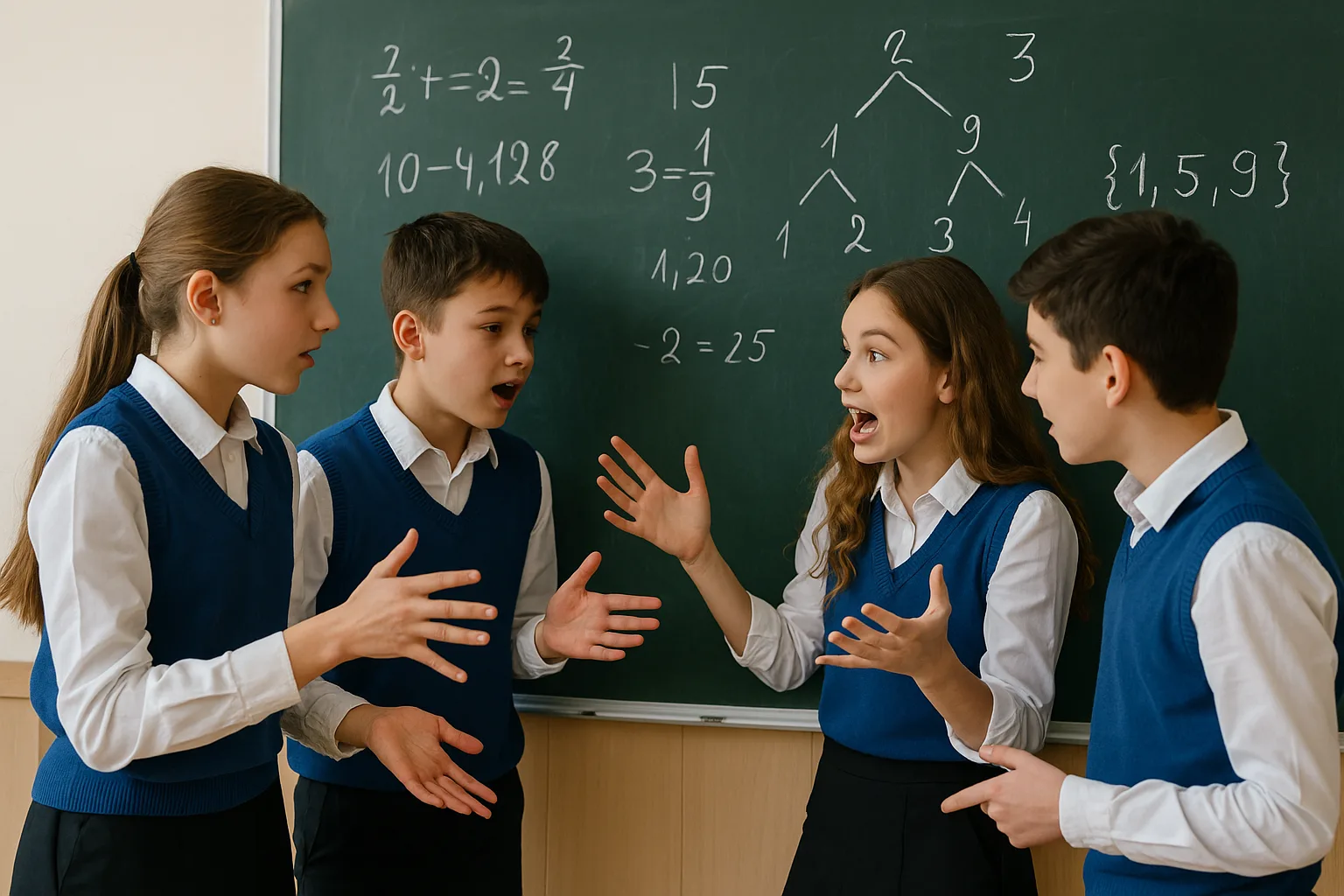
— Math in the Mountains (interdisciplinary): geometry and trigonometry taught through surveying tasks on local terrain, integrating GPS and paper mapping.
— Community Health Campaign (service learning): students research local health needs, design outreach materials, and run a school-led awareness week.
— Digital Archive Project: students record elders’ stories, digitize photographs, and create an online exhibit for the town museum.
Implementation roadmap (practical, low-cost, and scalable)
1. Convene stakeholders (0–2 months): school leaders, teachers, parents, local cultural figures, and municipal representatives to agree on priorities.
2. Launch 1–2 pilots (3–9 months): choose one curricular pilot and one community project; gather small grants or in-kind support.
3. Build teacher capacity (Ongoing): monthly lesson-study cycles, short workshops, and access to curated online resources.
4. Monitor and refine (9–18 months): use simple metrics (engagement, project completion, formative assessments, community feedback).
5. Scale and institutionalize (2–3 years): embed successful modules into school plans, secure regional funding, and formalize partnerships with universities or cultural institutions.
Metrics for success
— Student engagement indicators: attendance at project sessions, retention in elective programs, qualitative feedback.
— Learning outcomes: improvement in formative assessment scores, demonstrated competencies in projects, increased research skills.
— Community impact: number of community collaborations, audience for student projects, local stakeholder satisfaction.
— Teacher development: adoption of new pedagogies, peer-observation frequency, number of professional learning hours completed.
— Post-school trajectories: university admissions, vocational placements, and student-led enterprises.
Overcoming likely challenges
— Limited funding: prioritize low-cost, high-impact pilots; tap municipal, regional educational grants and community in-kind support.
— Teacher workload: start small (one class, one subject) and redistribute duties with clear timelines and recognition.
— Digital gaps: blend offline project work with occasional digital tasks; use shared devices and scheduled computer lab time.
— Preserving standards: align progressive projects explicitly with regional and federal curricular standards to ensure examination readiness.
Why this matters for Karachaevsk
Combining the gymnasium’s tradition of rigorous intellectual and moral formation with progressive, regionally anchored practices will:
— Prepare students for modern higher education and careers while keeping them rooted in local culture.
— Build civic capacity and local problem-solving skills that benefit the whole community.
— Make education more engaging, equitable, and resilient to demographic and economic changes.
Call to action
School leaders and municipal partners can start by identifying one teacher champion and one community partner to pilot a single place-based project next term. Small, well-supported experiments will demonstrate value quickly, create momentum, and pave the way for broader reform—ensuring Karachaevsk’s gymnasiums remain beacons of both tradition and progress.
*For a concise pilot plan (timeline, budget outline,