Rooted and Forward-Looking: Progressive Gymnasium Education in Karachaevsk
Karachaevsk sits at the meeting point of mountain landscapes, rich Karachay cultural traditions, and a community keen to prepare young people for the complexities of the 21st century. Gymnasium education — with its emphasis on rigorous academics, civic formation, and cultural continuity — can become a powerful engine for regional development when combined with progressive teaching practices and locally driven innovation.
Core values of gymnasium education in the region
Gymnasium traditions bring strengths that are especially relevant to Karachaevsk:
— *Academic depth*: sustained focus on critical disciplines (language, math, sciences, humanities) to develop transferable intellectual skills.
— *Moral and civic formation*: fostering responsibility, respect for cultural heritage, and active local citizenship.
— *Cultural continuity*: preserving and celebrating Karachay language, folklore, and arts alongside national curricula.
— *Preparation for higher study and leadership*: encouraging aspirations for university and community leadership roles.
What “progressive” looks like in a mountain town
Progressive practices adapt these values to modern realities — they preserve intellectual rigor while shifting how students learn:
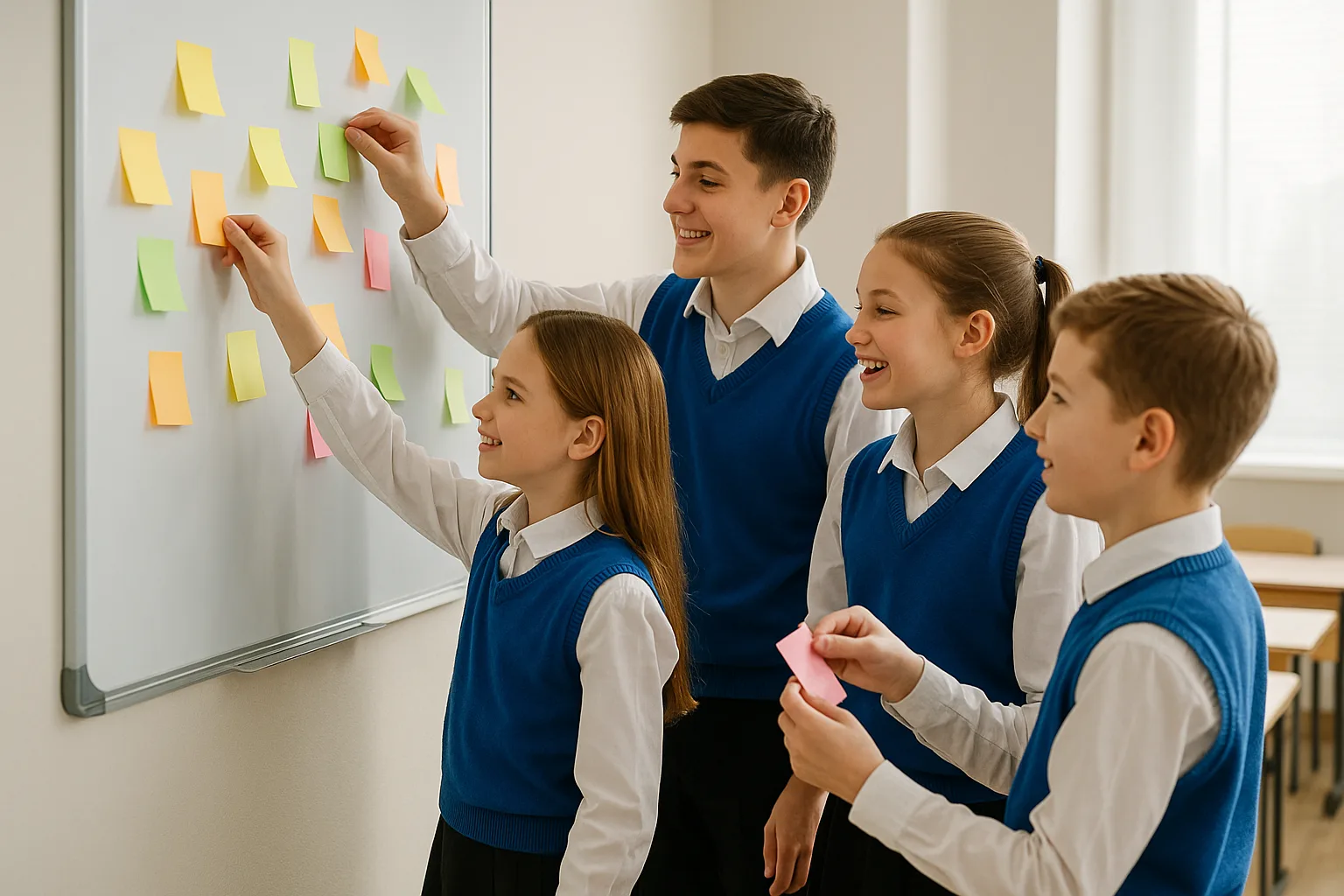
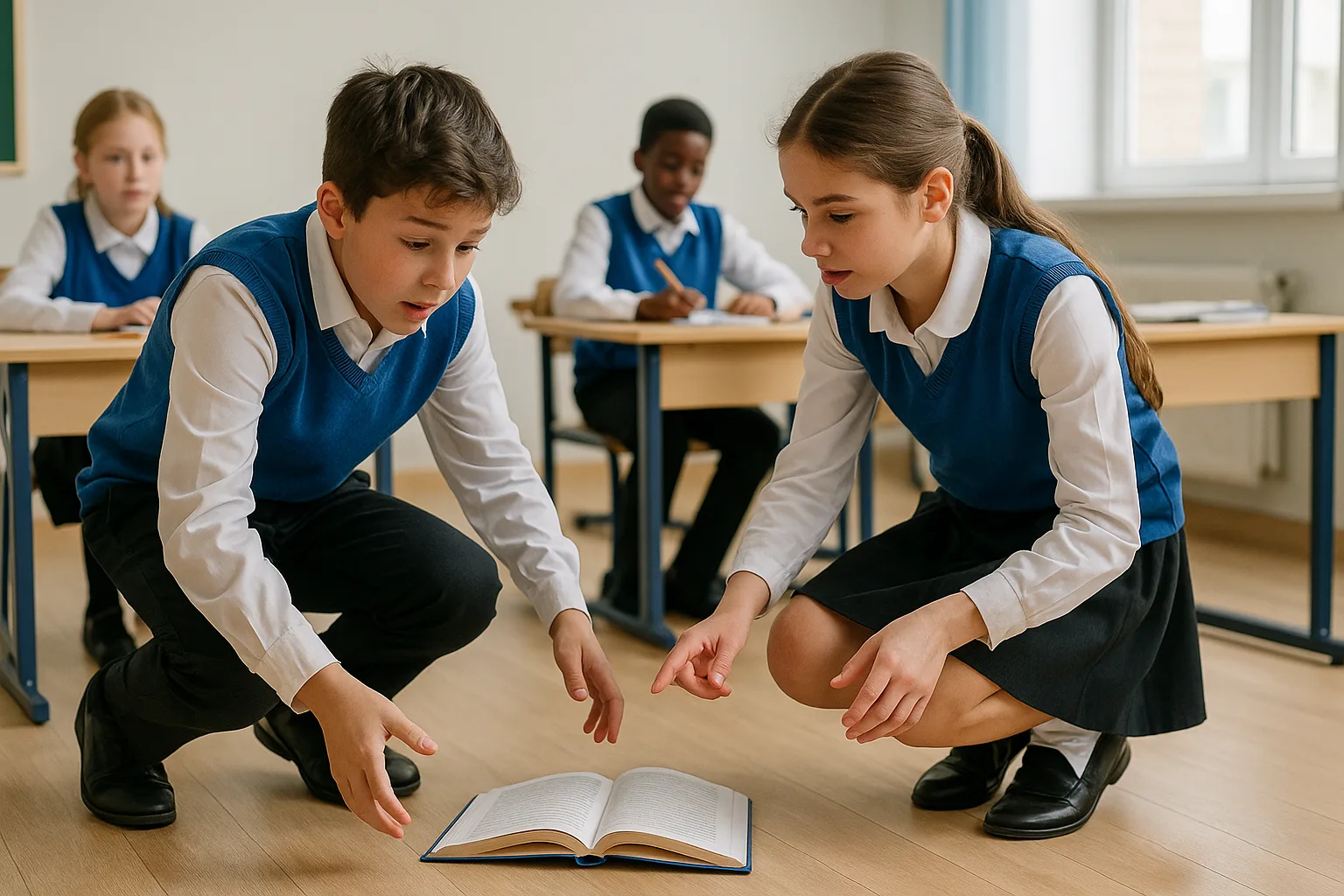
— Learner-centered, project-based instruction that connects classroom work with everyday life.
— Interdisciplinary, real-world projects (STEAM + humanities) that tackle local problems — e.g., avalanche safety research, sustainable tourism planning, or river ecology studies.
— Blended learning: combining high-quality digital resources with in-person mentoring to broaden access to specialized content.
— Multilingual and culturally responsive pedagogy: integrating Karachay-Balkar language and oral traditions into lessons to strengthen identity and learning outcomes.
— Inclusive classrooms: scaffolding for diverse learners and extension opportunities for gifted students.
— Continuous formative assessment and feedback instead of relying only on high-stakes testing.
Local innovations already taking shape (examples for Karachaevsk)
Across the region, educators are experimenting with practical, low-cost innovations that leverage local assets:
— Community-linked projects: students collaborate with local elders, guides, and municipal services to map cultural sites or document oral histories — combining language arts, social studies, and digital literacy.
— Outdoor experiential learning: mountain trails, rivers, and alpine meadows become living classrooms for biology, geography, and physical education.
— Heritage labs: small school-based centers where students record folk songs, transcribe stories, and produce bilingual multimedia resources for the community.
— Teacher peer networks: regular lesson-study groups and classroom-sharing among gymnasiums in Karachaevsk and neighboring towns, improving practice through observation and feedback.
— Local partnerships with technical colleges, museums, and NGOs to offer vocational pathways (eco-guiding, hospitality, conservation), tying school learning to regional employment.
— Mobile STEM kits and maker carts that rotate between schools, enabling hands-on science and engineering activities without large permanent budgets.
Two model programs to consider
These can be implemented on modest budgets and scaled up:
1. Mountain Stewardship Project (cross-curricular)
— Focus: ecology, geography, economics, civic responsibility.
— Activities: student teams monitor a local watershed, produce management recommendations, present to the town council.
— Outcomes: practical research skills, public speaking, civic engagement, environmental literacy.
2. Heritage & Language Lab (bilingual, cultural)
— Focus: preserving Karachay language and integrating it into modern curricula.
— Activities: digital archiving of oral traditions, bilingual theater productions, peer tutoring in native language literacy.
— Outcomes: stronger cultural identity, improved language competencies, richer classroom materials.
Benefits for students, families, and the region
— Students gain practical skills, critical thinking, and connection to local identity.
— Families see education aligned with community values and economic prospects.
— The region benefits from a workforce that understands local challenges and can innovate in tourism, conservation, and small business.
Practical steps for schools and local authorities
— Invest in teacher professional development focused on project-based learning, formative assessment, and bilingual instruction.
— Create small grants or seed funds for teacher-led pilot projects and community partnerships.
— Standardize low-cost digital infrastructure: shared devices, reliable connectivity in key schools, and a regional content library.
— Encourage school–community councils that include elders, business owners, and municipal officials to co-design projects.
— Pilot assessment frameworks that capture competencies (collaboration, problem-solving, communication) in addition to content mastery.
Challenges and how to mitigate them
— Limited budgets: prioritize scalable, low-cost pilots (mobile kits, peer training) and seek regional partnerships or NGO support.
— Teacher workload: compensate innovation time with reduced non-instructional duties or stipends and recognize innovation in professional advancement.
— Balancing tradition and change: involve cultural leaders early so innovations support, rather than supplant, local heritage.
Measuring success
Adopt mixed measures:
— Student portfolios and project outcomes showing mastery and creativity.
— Community feedback on relevance and impact.
— Tracking post-graduation paths: higher education enrolment, vocational placements, local entrepreneurship.
— Teacher practice indicators: adoption of formative assessment, collaboration frequency, and professional growth.
Conclusion: education that honors place and opens futures
Karachaevsk’s gymnasiums are uniquely positioned to blend the best of classical gymnasium values with progressive practice. By anchoring learning in local culture and environment while expanding competencies for a complex world — digital literacy, interdisciplinary problem-solving, civic leadership — schools can prepare young people to thrive locally and beyond. Small, well-supported innovations and strong community partnerships will make that transformation possible.
For educators and community leaders: start with one pilot project this school year, document what works, and build momentum through teacher networks and local showcases. The mountain landscape has always shaped life here — it can also shape a modern, resilient education for the next generation.