Introduction
Karachaevsk sits at the crossroads of mountain landscapes, multilingual communities, and rich cultural traditions. In this setting, the gymnasium model—characterized by deep subject study, strong values formation, and civic preparation—can be a powerful engine for local renewal. This article outlines progressive educational practices and regional teaching innovations that honor Karachaevsk’s identity while equipping young people for the 21st century.
Core values of gymnasium education in a regional context
Gymnasium education in Karachaevsk can and should cultivate:
— *Academic depth and intellectual curiosity* — strong subject knowledge combined with habits of inquiry.
— *Civic responsibility and community service* — informed, engaged citizens who contribute to local life.
— *Cultural and linguistic identity* — preservation and celebration of Karachay traditions and bilingual competence.
— *Equity and inclusion* — accessible, differentiated learning for students from diverse backgrounds.
— *Adaptability and lifelong learning* — skills for changing economies and technologies.
Progressive practices adapted for Karachaevsk
Below are practical approaches that align gymnasium values with regional realities.
1. Bilingual and culturally responsive curricula
— Integrate Karachay language, history, folklore, and arts into core subjects.
— Use parallel-text materials and content-based language instruction so students learn subject matter while strengthening bilingual fluency.
— Design local history projects (e.g., oral-history interviews, archive work) that connect students to their community.
2. Project-based and experiential learning
— Anchor lessons in real-world, locally relevant projects: ecological monitoring of mountain rivers, small business plans for sustainable tourism, or cultural heritage exhibitions.
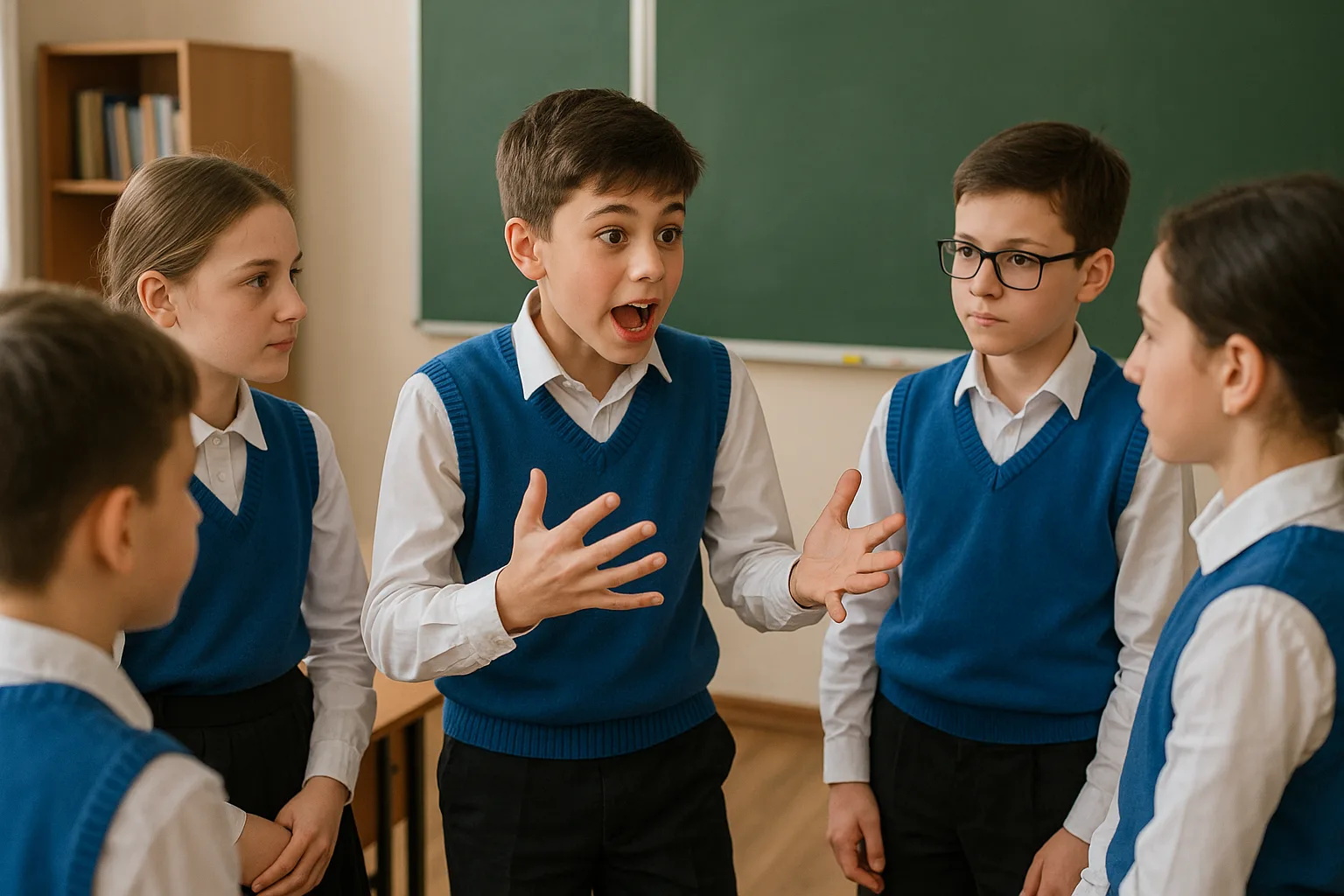
— Use interdisciplinary teams—combining science, humanities, and arts—to mirror complex problems.
3. Outdoor and place-based education
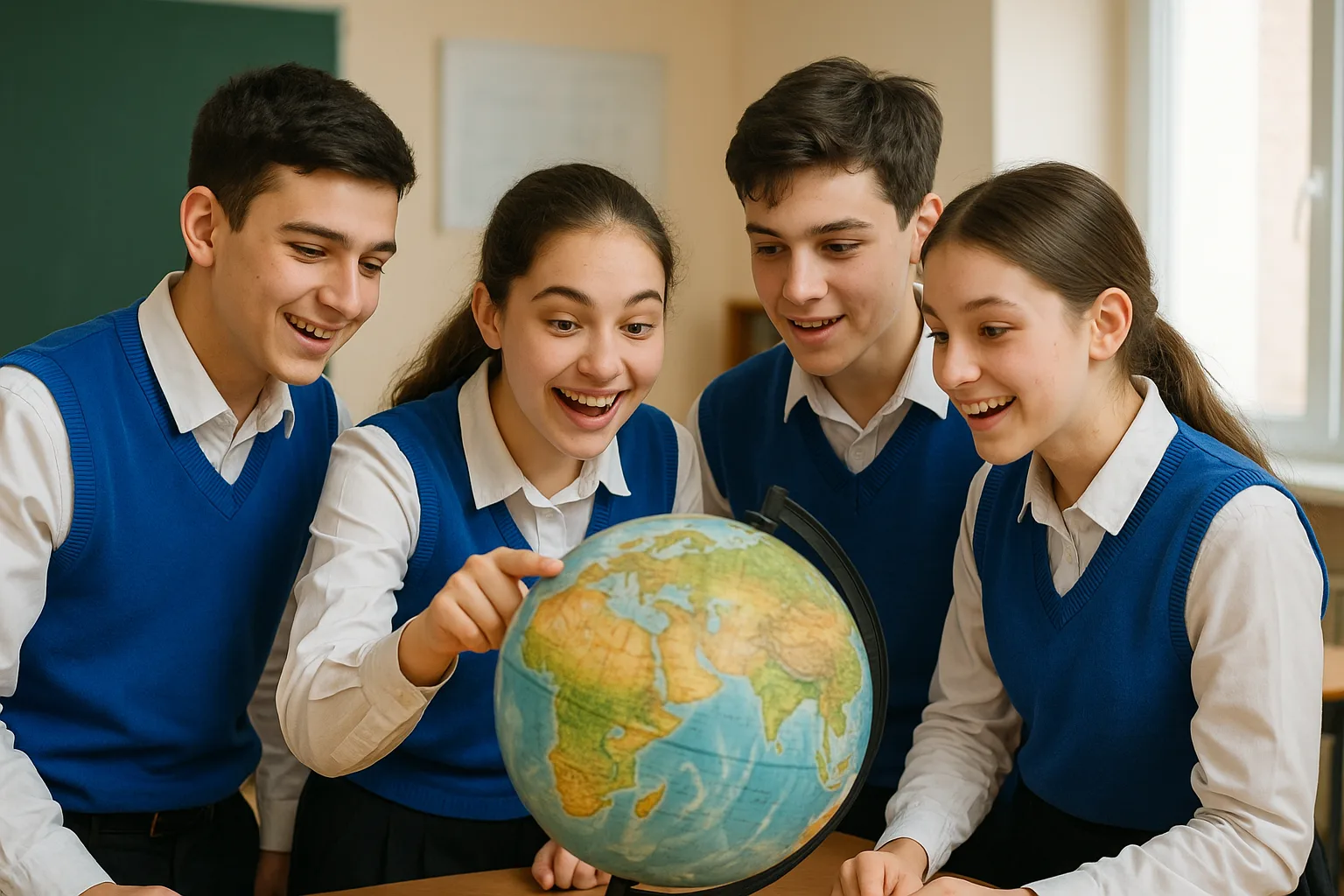
— Leverage Karachaevsk’s natural environment for experiential science, geography, and physical education lessons.
— Organize seasonal field modules (e.g., mountain ecology, traditional land use) that build observational skills and environmental stewardship.
4. Technology-enhanced blended learning
— Implement blended models where in-class coaching is supplemented by adaptive online platforms to personalize pacing and remediation.
— Use low-bandwidth resources and offline packages for areas with limited internet access; prioritize teacher training on educational tech.
5. Formative assessment and competency-based progression
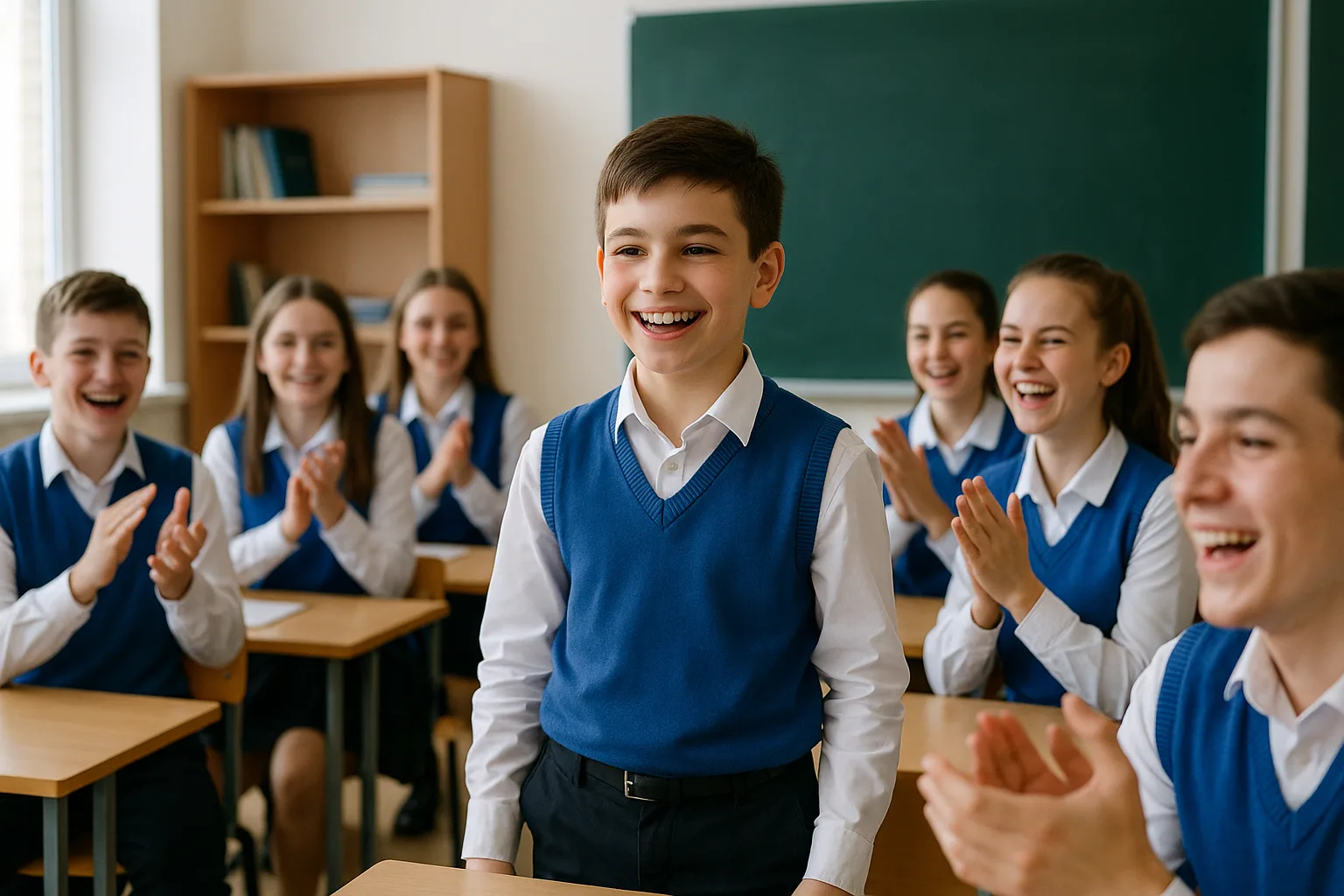
— Shift emphasis from single high-stakes exams to ongoing formative assessment: portfolios, presentations, and performance tasks.
— Define clear competency maps so students and families understand academic and social-emotional milestones.
6. Inclusive classroom practices
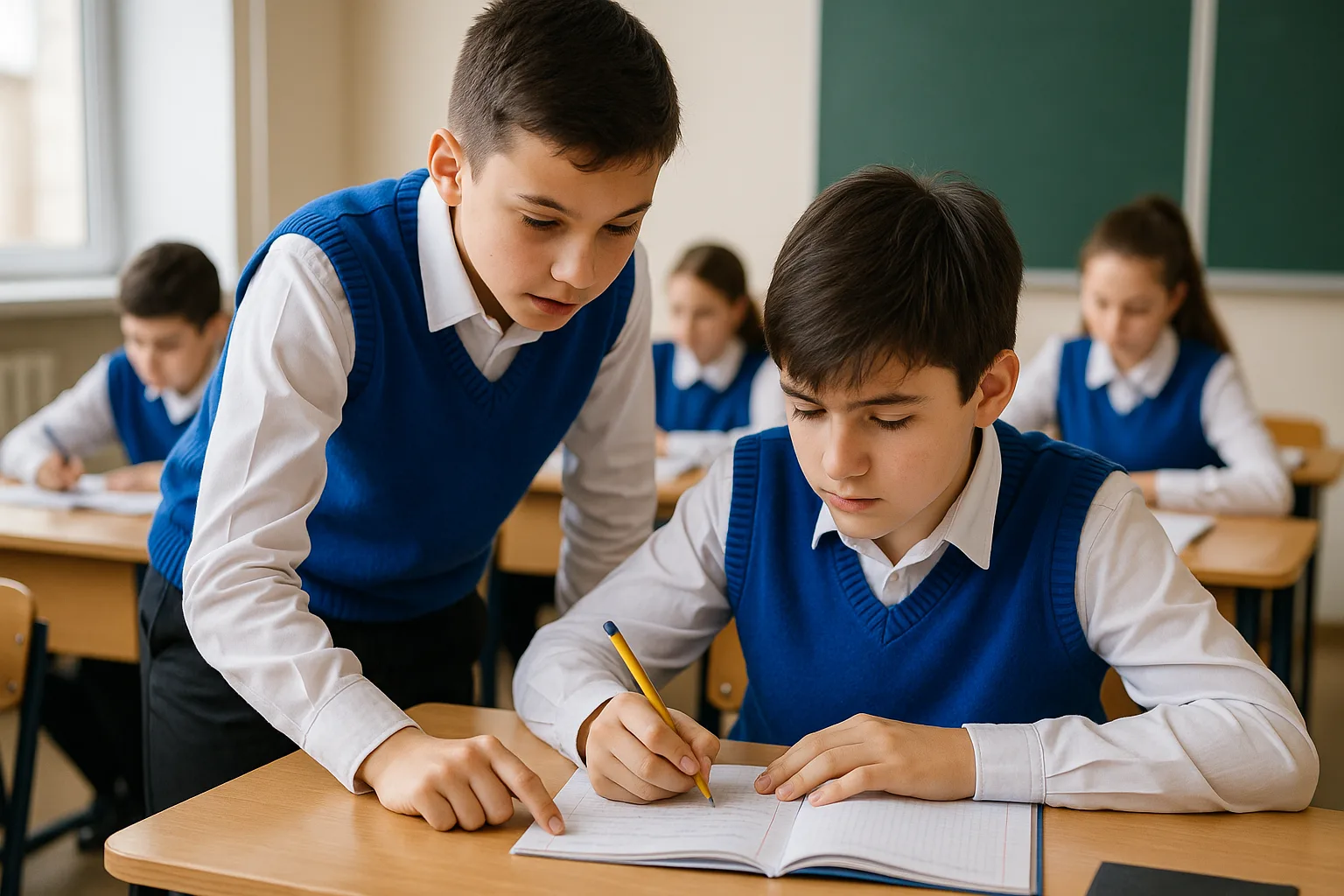
— Employ differentiated instruction, scaffolded tasks, and peer tutoring to meet varied learning needs.
— Train teachers in trauma-informed pedagogy and culturally responsive classroom management.
Regional teaching innovations and system supports
To scale quality practices across Karachaevsk, structural supports are essential.
— Teacher professional learning communities (PLCs): Regular local PLCs where gymnasium teachers share lesson studies, co-create curricula, and observe practice.
— Partnerships with regional universities and cultural institutions: Collaborative research projects, teacher internships, and guest-lecturer programs that bridge school and higher education.
— Community-school partnerships: Local businesses, museums, and municipal services co-design applied projects, apprenticeships, and civic initiatives.
— Micro-credentialing and career pathways: Short courses and recognition for teachers who acquire new skills (e.g., bilingual instruction, digital pedagogy).
— Local curriculum labs: Small innovation hubs that pilot new modules (sustainability, heritage studies) and produce adaptable resources for other schools.
Measuring success and continuous improvement
Effective innovation requires clear metrics and feedback loops:
— Student outcomes: academic growth, bilingual proficiency, civic engagement indicators, and post-school trajectories.
— School climate: surveys on inclusion, teacher retention, and community satisfaction.
— Project impact: evidence of community benefit from student-led initiatives (e.g., conservation efforts, local business support).
— Iterative refinement: rapid-cycle evaluation and scale-up of promising pilots.
Practical roadmap for Karachaevsk gymnasiums
Short-term (6–12 months)
— Convene stakeholders to define shared values and priority goals.
— Launch teacher PLCs and targeted professional development.
— Start 2–3 pilot projects: a place-based module, a bilingual curriculum unit, and a blended-learning class.
Medium-term (1–3 years)
— Expand successful pilots across grades; standardize competency frameworks.
— Formalize partnerships with regional institutions and community organizations.
— Implement formative assessment systems and digital resource repositories.
Long-term (3–5 years)
— Institutionalize micro-credentials and career ladders for teachers.
— Scale place-based curricula across the district and document outcomes.
— Position Karachaevsk gymnasiums as regional centers of pedagogical innovation.
Conclusion
Karachaevsk’s gymnasiums are uniquely placed to blend academic rigor with cultural continuity and civic purpose. With targeted innovations—bilingual curricula, experiential learning, blended pedagogies, and strong community partnerships—the gymnasium model can prepare students who are intellectually capable, culturally grounded, and socially responsible. Small, well-supported steps will yield resilient schools that serve both learners and the wider region for generations to come.
*Next step:* assemble a stakeholder working group (school leaders, teachers, parents, municipal officials, cultural representatives) to prioritize pilots and begin teacher professional development.