Introduction
Karachaevsk stands at the crossroads of deep cultural heritage and the dynamic needs of 21st-century education. By combining the rigorous traditions of the gymnasium model with progressive pedagogies and locally rooted innovations, schools in the region can cultivate academically strong, socially responsible, and creative learners prepared for life in a globalized world.
Core progressive practices for Karachaevsk gymnasiums
— *Student-centered learning*: shift classroom roles so pupils co-design projects, set learning goals, and reflect on progress through digital portfolios.
— *Project-based and experiential learning*: long-term community or field projects (e.g., local mountain ecology studies, cultural heritage mapping) that integrate science, languages, and social studies.
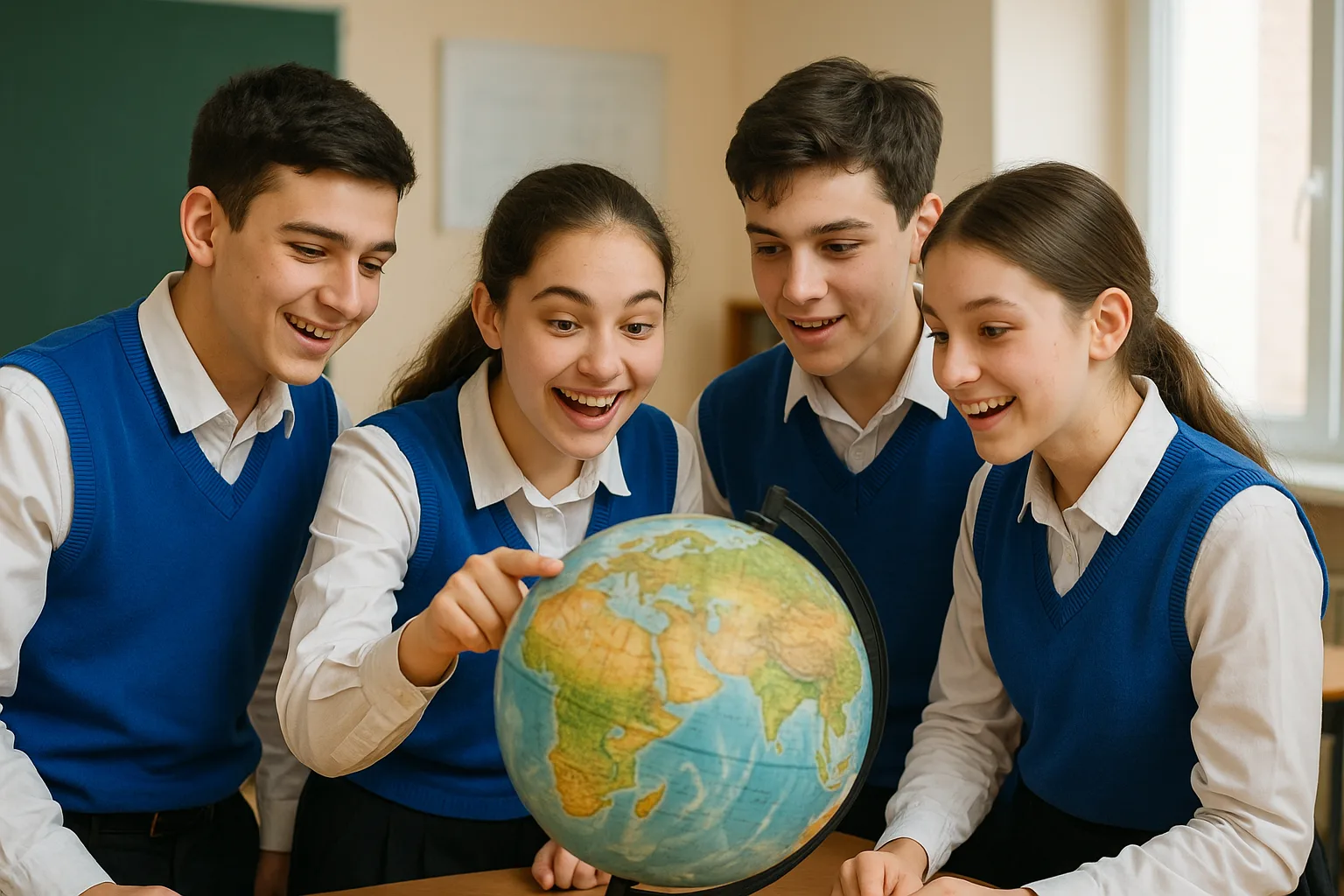
— *Interdisciplinary STEAM approaches*: combine science, technology, engineering, arts, and math in problem-solving tasks tied to regional contexts (water resources, sustainable agriculture, traditional crafts).
— *Blended and flipped learning*: use online resources for direct instruction and reserve class time for discussion, practice, and collaborative work—expands access in rural areas.
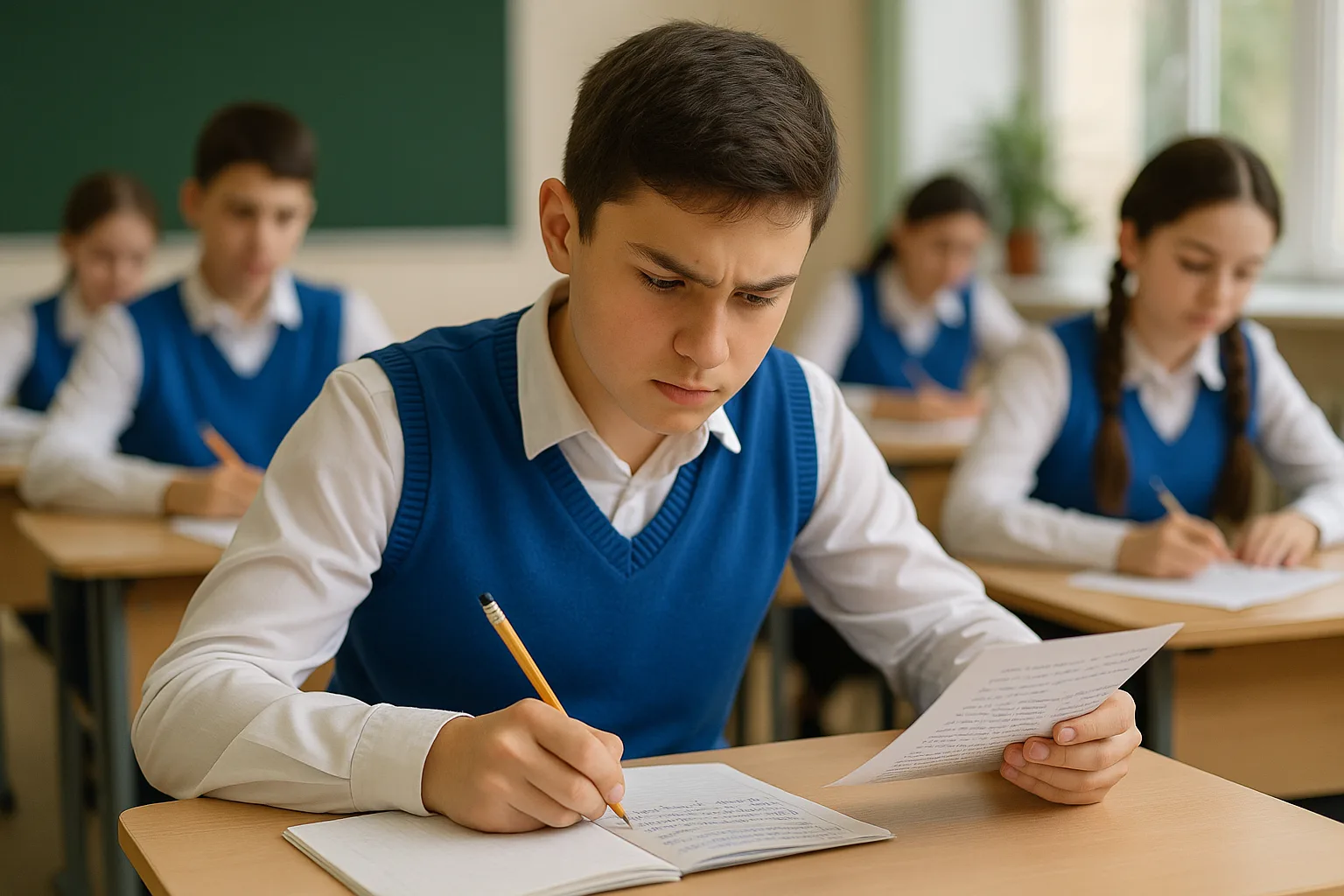
— *Competency-based assessment*: move beyond test-centric evaluation toward demonstrations of skill, collaboration, creativity, and critical thinking.
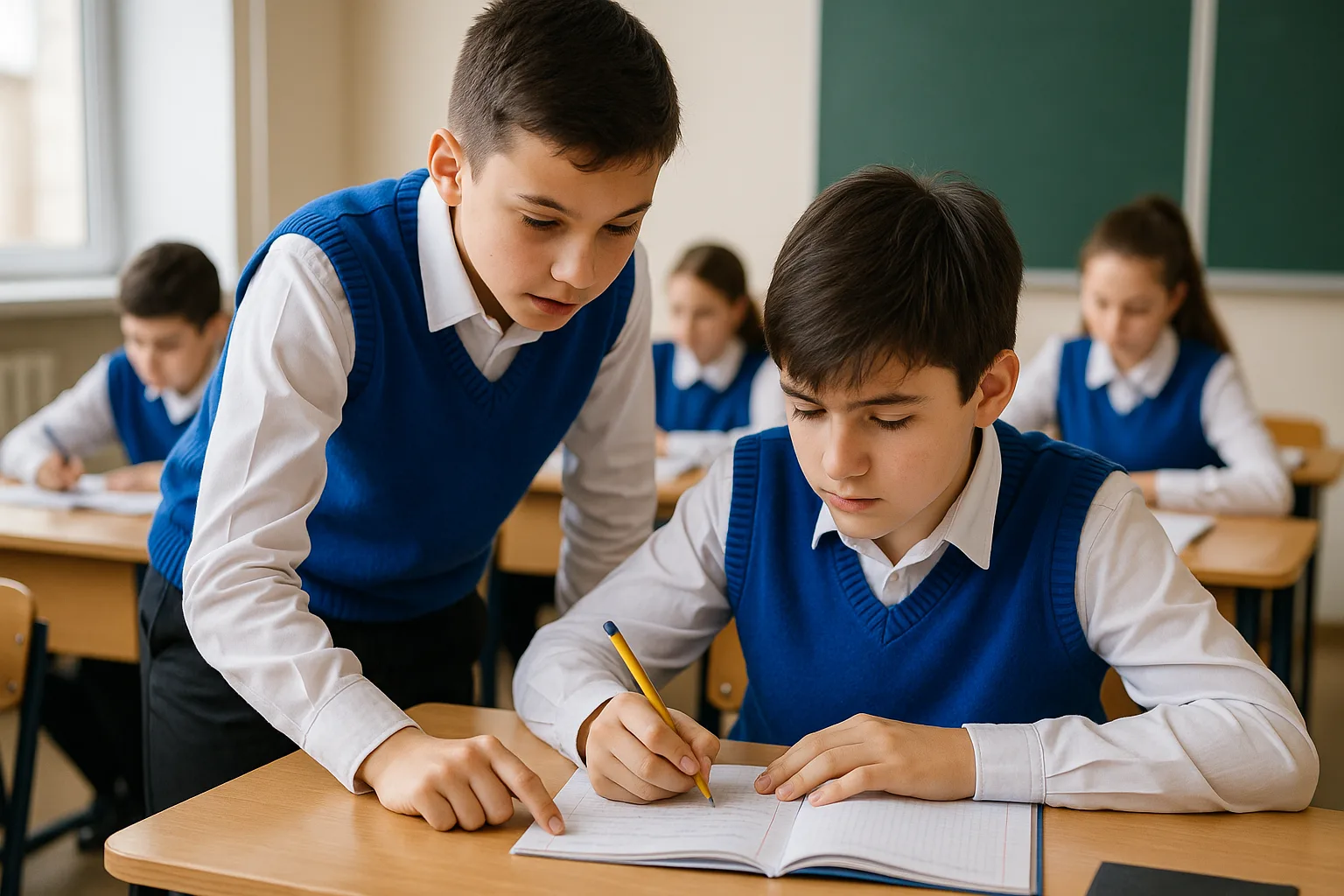
— *Inclusive education*: adapt methods and materials for diverse learners, including differentiated instruction, assistive technologies, and peer tutoring.
— *Place-based pedagogy*: teach through local landscapes, history, language, and economy to strengthen relevance and student identity.
Enduring values of gymnasium education
— Academic excellence: a sustained focus on deep knowledge, discipline, and intellectual rigor.
— Civic and ethical formation: nurturing responsible citizens who respect cultural traditions while engaging with contemporary issues.
— Cultural literacy and multilingualism: preserving local languages and literature while developing proficiency in Russian and global languages.
— Critical thinking and independent learning: training students to analyze, synthesize, and pursue lifelong learning.
— Holistic development: balance of intellectual, physical, artistic, and social-emotional education through rich extracurricular programs.
Regional teaching innovations relevant to Karachaevsk
— Local curriculum integration: embedding Karachay-Balkar folklore, regional history, and traditional crafts into literature, arts, and social studies syllabi to increase engagement.
— Mountain and environmental labs: organized fieldwork in nearby Caucasus environments for biology, geology, and geography—students collect data, design conservation projects, and publish findings.
— Community apprenticeship programs: partnerships with local artisans, cultural centers, and businesses for apprenticeships that combine vocational skills with academic study.
— Mobile learning units: equip buses or tents as traveling labs for remote settlements, bringing experiments, books, and internet access to outlying communities.
— Teacher professional learning communities (PLCs): regular regional exchanges where teachers share lesson plans, observe peers, and co-develop interdisciplinary modules.
— Micro-credentialing and portfolio assessment: recognize teacher and student competencies with badges and portfolios aligned to regional needs (e.g., bilingual instruction, eco-education).
— Digital storytelling and heritage archiving: students document oral histories and traditions, creating multimedia archives that serve both education and cultural preservation.
Practical program examples
— Mountain Ecology Project: 9th graders design a year-long study of a local watershed—collect water-quality data, map biodiversity, propose conservation measures, and present to the municipality.
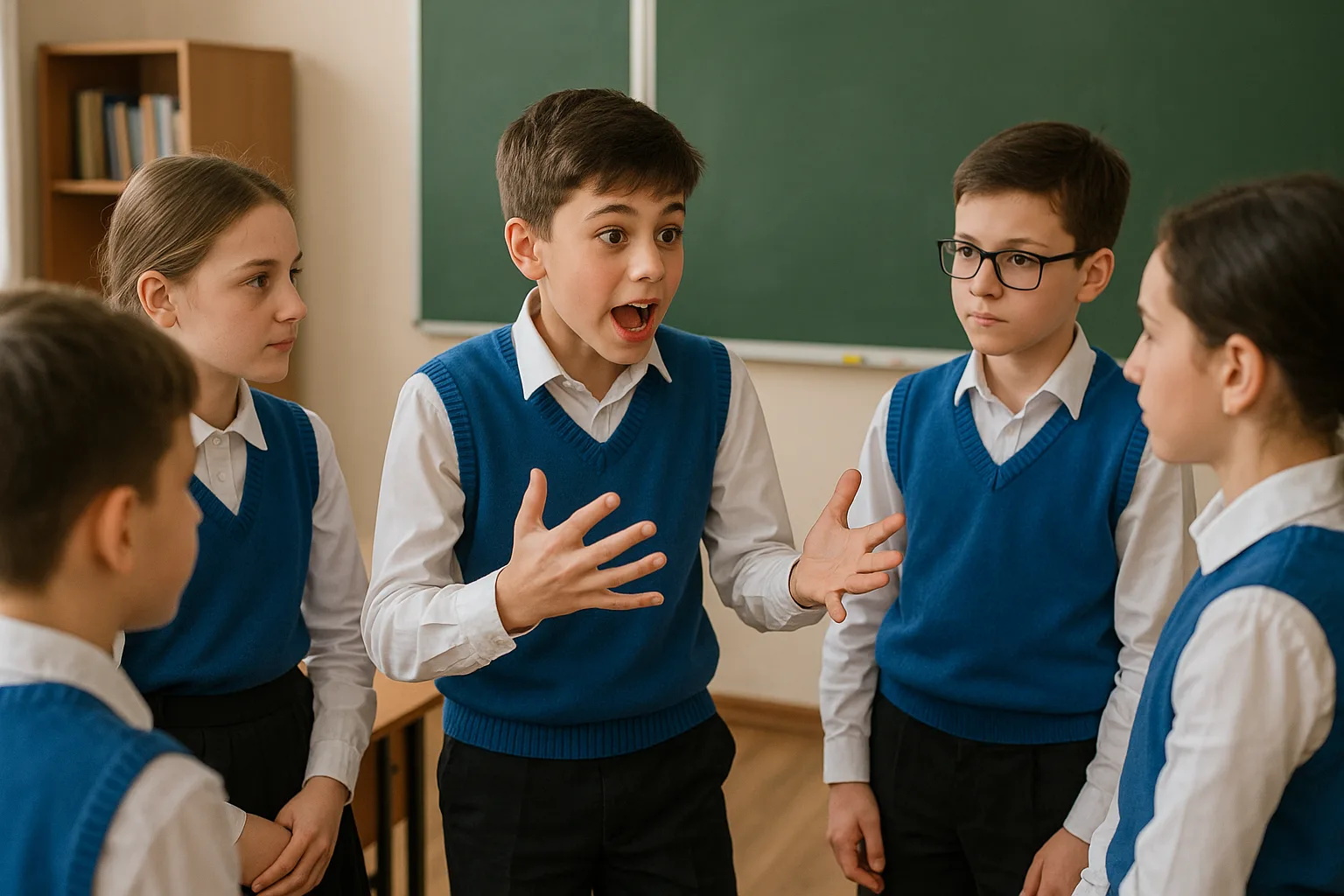
— Bilingual Literature Circles: mixed-language groups read local folktales and contemporary texts, comparing themes, translating passages, and producing bilingual anthologies for younger students.
— Maker Space Meets Tradition: a school makerspace where students learn woodworking and design to recreate or adapt traditional Karachay crafts using modern tools and sustainable materials.
— Civic Tech Challenge: students develop low-cost apps or citizen-science platforms to report local environmental issues, collaborating with regional NGOs.
Implementation roadmap
1. Audit current strengths and gaps: curriculum, staff skills, facilities, and community assets.
2. Pilot small-scale projects: start with one or two classrooms to test methods (e.g., one fieldwork project, one blended class).
3. Build partnerships: engage parents, cultural leaders, local businesses, and regional universities for expertise and resources.
4. Scale with teacher development: provide ongoing training, coaching, and time for PLCs.
5. Measure and iterate: use mixed qualitative and quantitative indicators—student portfolios, project outcomes, attendance, and community feedback—to refine practice.
6. Secure sustainable funding: combine regional education budgets, grants, and local sponsorships.
Benefits for students and the community
— Increased student motivation and ownership of learning.
— Stronger ties between schools and local culture, preserving language and heritage.
— Practical skills aligned with regional economic opportunities (eco-tourism, crafts, sustainable agriculture).
— Enhanced teacher expertise and professional satisfaction.
— Community empowerment through collaborative projects and informed youth leadership.
Challenges and mitigations
— Resource limitations: prioritize low-cost, high-impact pilots; leverage community expertise and open educational resources.
— Teacher workload and capacity: stagger reforms, provide protected time for collaboration, and recognize contributions with micro-credentials or stipends.
— Resistance to change: involve stakeholders early, showcase quick wins, and communicate how innovations support gymnasium values of rigor and character.
— Infrastructure gaps (connectivity, labs): implement offline-first digital solutions and mobile labs while advocating for phased infrastructure upgrades.
Conclusion
By harmonizing the classical strengths of gymnasium education—rigor, cultural depth, moral formation—with progressive, place-conscious practices, Karachaevsk schools can become models of regional innovation. When learning connects to landscape, language, and community, students not only master subjects but also inherit the skills and values to lead their region forward.