Rooted in Region, Ready for Tomorrow: Progressive Gymnasium Education in Karachaevsk
Introduction
Karachaevsk — perched on the slopes of the Caucasus and rich with Karachay cultural heritage — is uniquely positioned to blend time-honored values with forward-looking educational practice. Gymnasium education in the region can become a model of academic rigor, civic responsibility, and local relevance by adopting progressive methods that honor language, landscape, and community.
Core values of gymnasium education
Gymnasium education traditionally emphasizes high academic standards and broad human development. In Karachaevsk, those pillars translate into:
— *Academic excellence*: deep subject mastery, critical reasoning, and research habits.
— *Civic and ethical formation*: responsibility, community service, and leadership rooted in local customs.
— *Cultural identity and multilingualism*: preserving Karachay language and traditions alongside Russian and modern foreign languages.
— *Holistic growth*: arts, physical education, environmental stewardship, and emotional resilience.
— *Lifelong learning*: curiosity, adaptability, and the skills to navigate a changing world.
Progressive practices that fit Karachaevsk
To maintain the gymnasium’s strengths while preparing students for contemporary challenges, schools in Karachaevsk can adopt these practices:
— Project-based learning (PBL): multi-disciplinary projects connecting math, science, language and local issues (e.g., watershed management, cultural heritage documentation).
— Blended and flipped classrooms: combine face-to-face mentoring with curated digital lessons to maximize classroom interaction.
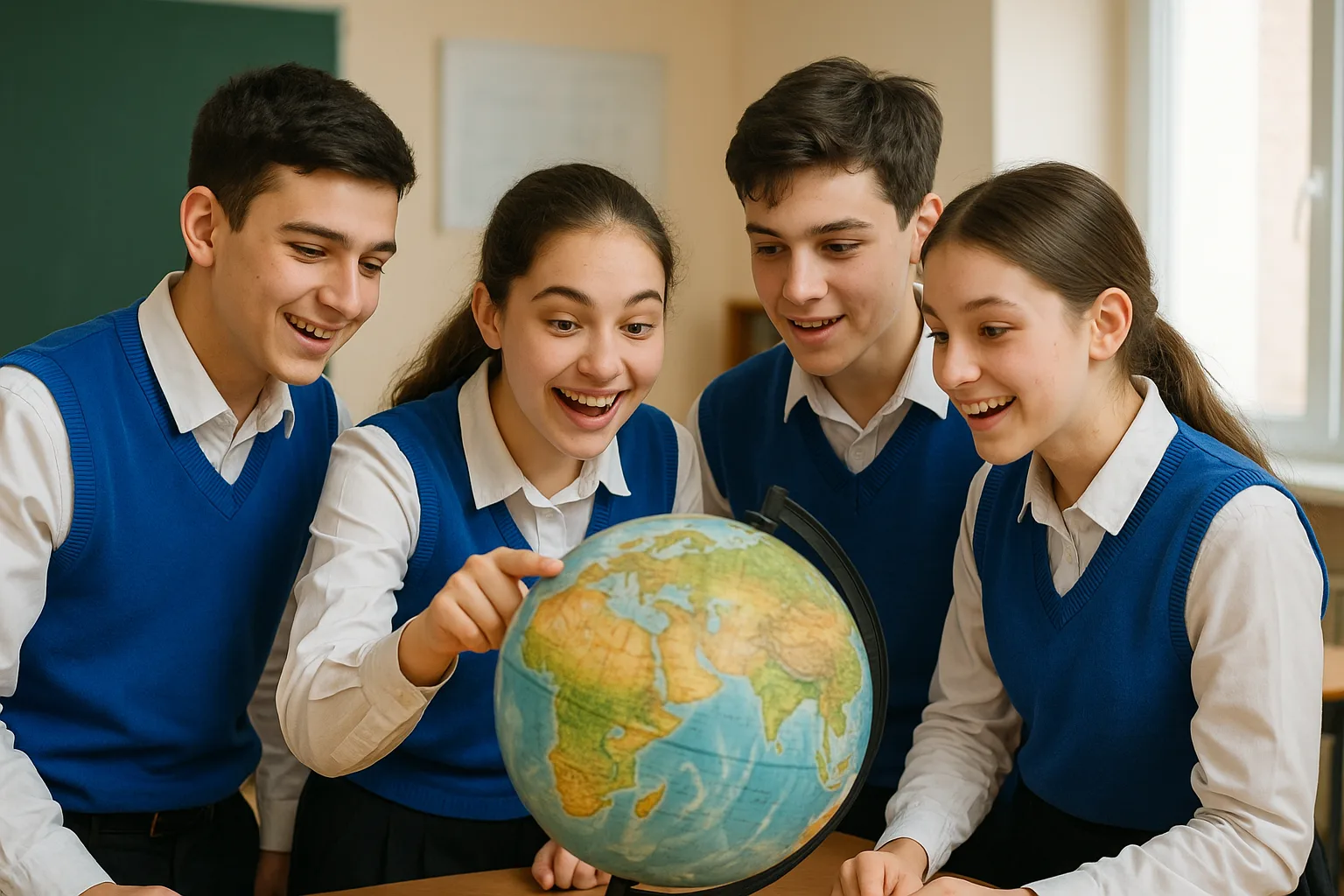
— Place-based education: use the Caucasus environment, local crafts, music and oral histories as primary learning resources.
— Bilingual and intercultural pedagogy: develop curricula that support Karachay language literacy alongside Russian and English, fostering pride and global competence.
— STEAM with local application: technology and design projects addressing mountain agriculture, renewable energy, and ecotourism.
— Formative and performance assessment: portfolios, exhibitions, and student-led conferences rather than only high-stakes testing.
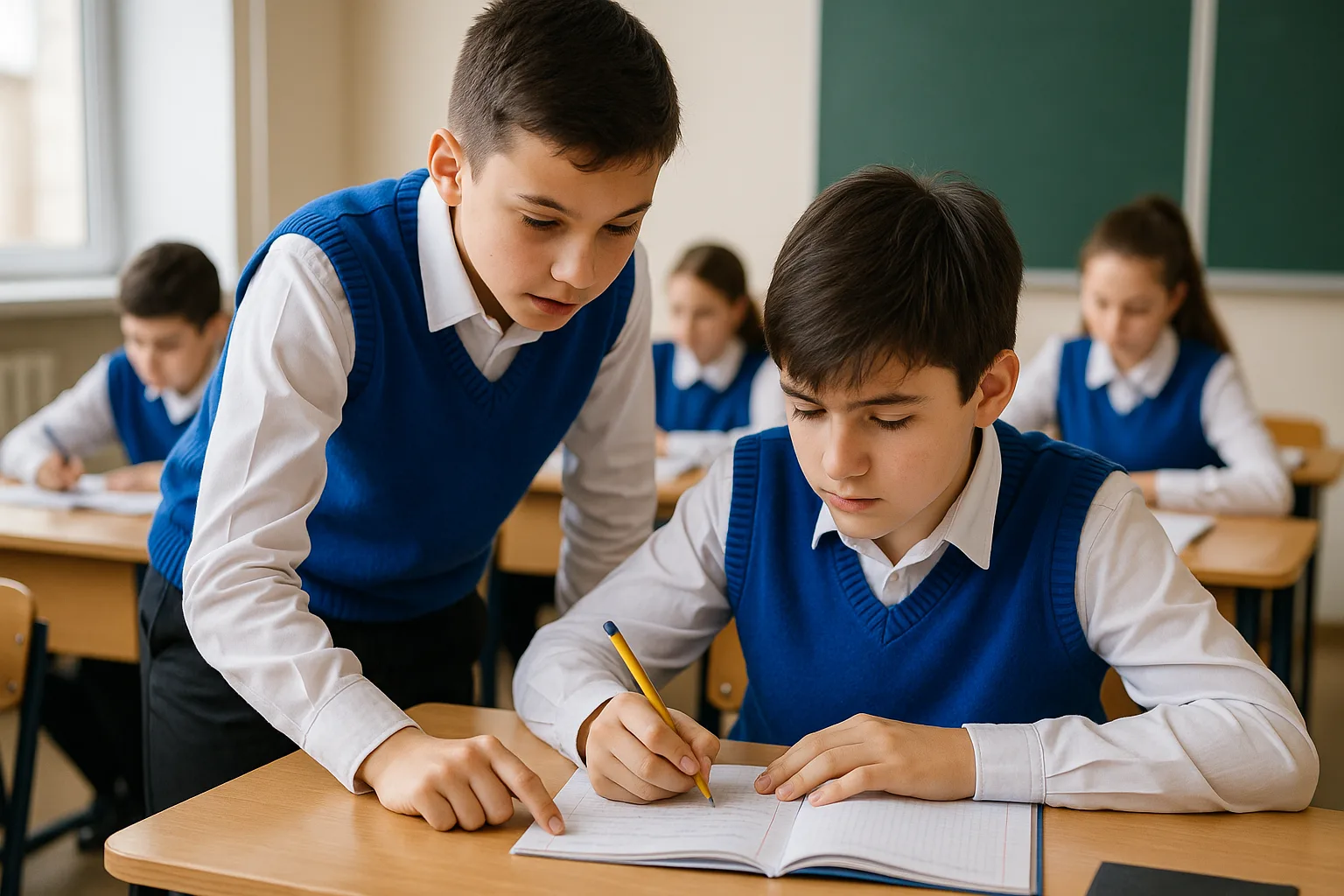
— Inclusive classrooms: differentiated instruction and peer mentoring to serve diverse learners and reduce dropout risk.
— Teacher professional learning communities: regular collaboration, classroom observation, and joint curriculum development.
Regional teaching innovations — practical examples for Karachaevsk
Below are realistic, scalable innovations tailored to the region’s assets and constraints:
— Community-led field labs: partnerships with local shepherds, artisans, and rangers for experiential modules on mountain ecology, traditional textiles, and conservation.
— Local heritage digitization projects: students collect oral histories, songs, recipes and digitize them to build a living school archive and multilingual learning resources.
— Micro-project incubators: small student teams prototype solutions for municipal challenges (waste management, trail signage, renewable heating) with seed funding from local government or businesses.
— Mobile science kits and solar-powered classrooms: mobile labs and off-grid solutions that bring hands-on experiments to remote settlements and seasonal pastures.
— Language nests and tandem programs: early immersion in Karachay for younger children and peer tutoring that pairs native speakers with learners to sustain language skills.
— Teacher exchange and mentoring with regional universities: short residencies and co-teaching with Karachay-Cherkess higher education to strengthen research-based instruction.
— Citizen science for mountain monitoring: students collect water, biodiversity and climate data that contribute to regional environmental databases.
— Festival-based assessment: annual exhibitions combining science, arts, and local customs where students present projects to families and community leaders.
Implementation roadmap — practical steps for schools and local partners
— Start small and visible: pilot one PBL module or heritage digitization in a single grade, showcase outcomes to parents and officials.
— Build community coalitions: involve elders, municipal services, parks, businesses and university faculty as mentors and resources.
— Train teachers for change: focused workshops on PBL, formative assessment and bilingual instruction, followed by in-school coaching.
— Leverage low-cost tech: smartphones, open-source platforms and offline content caches can expand access without heavy infrastructure.
— Secure sustainable funding: combine municipal budgets, regional grants, and micro-philanthropy from local businesses and diaspora.
— Measure impact: track student engagement, language retention, community participation and post-secondary choices rather than only test scores.
Benefits for students and the region
— Deeper learning and motivation: students connect schoolwork to real community outcomes.
— Stronger cultural continuity: bilingual education and heritage projects preserve identity while promoting modern skills.
— Local economic relevance: skills in ecotourism, sustainable agriculture, and digital documentation expand career pathways.
— Resilient communities: civic-minded graduates who can lead local development and environmental stewardship.
Conclusion
Gymnasium education in Karachaevsk has the potential to be both guardian and innovator — preserving cultural depth while preparing young people for a complex, interconnected world. By centering progressive practices on local strengths (language, landscape, and community) and supporting teachers with meaningful professional development and resources, Karachaevsk’s schools can produce graduates who are academically excellent, culturally grounded, and ready to lead regional renewal.
For educators and policymakers: begin with one visible pilot, involve the community from day one, and let student work tell the story. The Caucasus provides both the inspiration and the laboratory — the rest is collective will.