Introduction
Karachaevsk occupies a special place in the North Caucasus: a small city framed by mountain landscapes, rich Karachay cultural heritage, and a close-knit civic life. Its gymnasiums—schools that combine strong academic expectations with moral and civic education—are uniquely positioned to pilot progressive educational practices that respect local values while preparing students for the 21st century.
Core values of gymnasium education in Karachaevsk
Gymnasium education is more than test scores. In Karachaevsk, the core values should include:
— *Academic excellence* — rigorous curricula that build subject mastery and critical thinking.
— *Civic and cultural identity* — deep grounding in Karachay history, language, and traditions alongside Russian and global perspectives.
— *Character formation* — emphasis on responsibility, respect, and community service.
— *Holistic development* — fostering physical, emotional, creative, and social competencies.
Progressive practices that align with local strengths
These evidence-based approaches can be tailored to Karachaevsk’s context:
— Project-based learning (PBL)
— Real-world projects linking science, history, and community needs (e.g., river health, local heritage exhibitions).
— Place-based and nature-integrated education
— Field labs, mountain ecology modules, and partnerships with nearby reserves (e.g., Teberda-area conservation initiatives).
— Bilingual and cultural curricula
— Strengthening Karachay-Balkar language instruction while maintaining Russian literacy and introducing global languages.
— STEAM and maker education
— Hands-on workshops combining traditional crafts with digital fabrication and coding.
— Blended learning and digital literacy
— Hybrid lessons, local content repositories, and teacher training in online pedagogy to improve access and personalization.
— Formative assessment and mastery learning
— Continuous feedback systems, portfolios, and standards-based progression.
— Inclusive and differentiated instruction
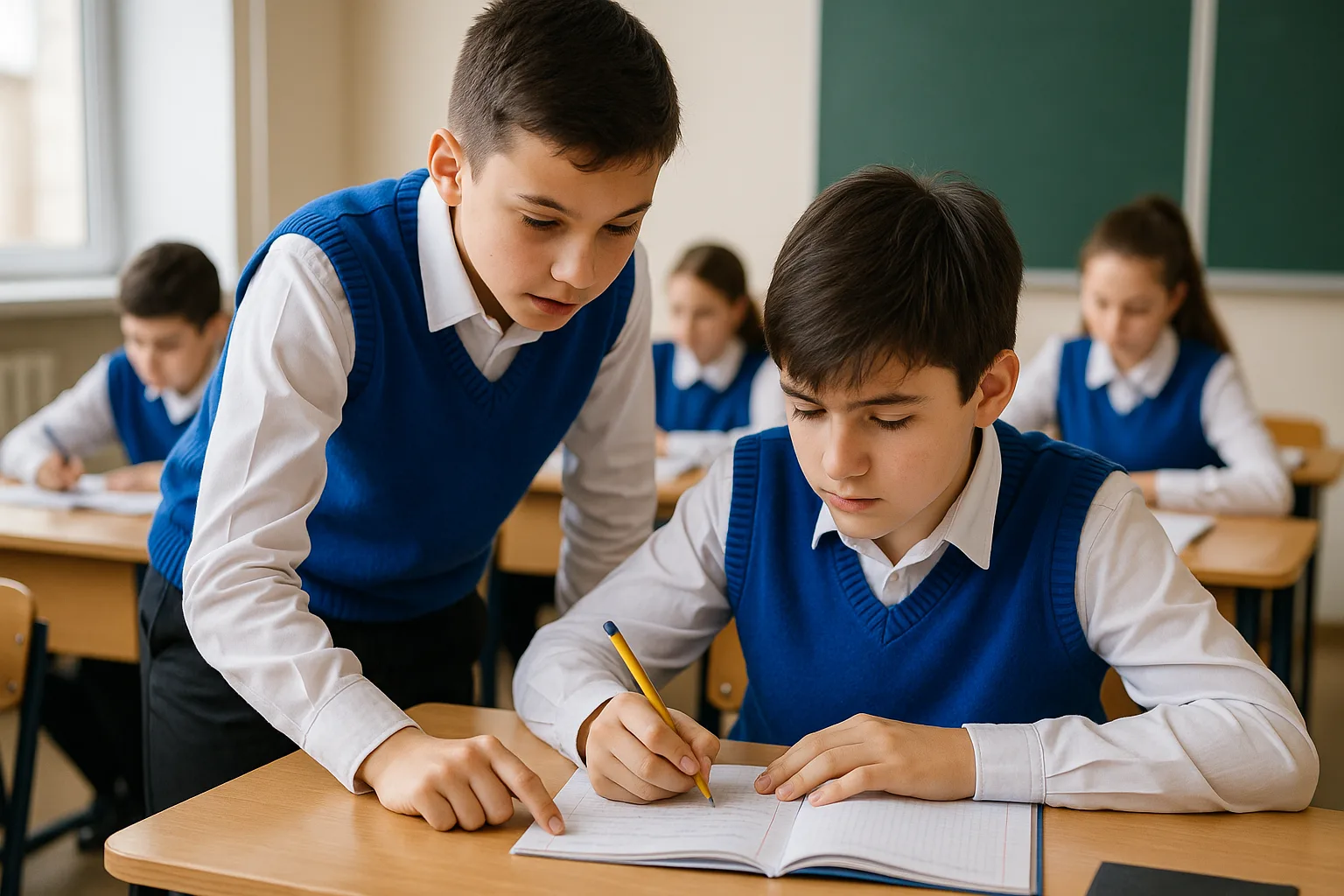
— Support for diverse learners through scaffolds, peer tutoring, and individualized learning plans.
— Community and entrepreneurial engagement
— Student-run social enterprises, local internships, and civic projects to strengthen town-school ties.
Regional innovations that can be scaled in Karachaevsk
— Community-linked curricula: Co-design modules with elders, cultural organizations, and local craftsmen to document oral history, folk songs, and crafts.
— Environmental stewardship labs: Use mountain trails and river monitoring as regular curriculum components; students present findings to local councils.
— Teacher professional learning communities (PLCs): Cross-gymnasium PLCs for lesson study, peer observation, and shared resources.
— Micro-credentials: Local badges for teachers and students in areas such as mountain safety education, bilingual instruction, and project management.
— Digital heritage archiving: Student-led digitization projects of local archives, photographs, and dialect recordings.
— School-as-hub model: Gymnasiums host evening language classes, maker workshops, and civic forums—strengthening intergenerational ties.
A sample pilot program (illustrative)
Goal: Build environmental science competence and cultural pride through a year-long, cross-disciplinary project.
— Partners: a local gymnasium, municipal education department, Teberda conservation educators, and parents.
— Activities:
— Students research a threatened local habitat, conduct field sampling, and interview elders about land-use history.
— Produce a public exhibition combining scientific posters, documentary short films, and traditional songs.
— Present policy recommendations to the municipal council.
— Outcomes to track:
— Increased science proficiency, stronger oral history engagement, heightened civic participation, and a visible public product.
Implementation roadmap for Karachaevsk schools
1. Vision and stakeholder buy-in
— Convene principals, teachers, parents, local cultural leaders, and municipal officials to define shared priorities.
2. Start small with pilots
— Choose 1–2 classes or grades to trial PBL, bilingual modules, or blended lessons for one semester.
3. Professional development
— Provide hands-on workshops, co-teaching, and lesson-study cycles; establish mentorship with nearby universities or NGOs.
4. Resource mapping and low-cost innovations
— Use community assets (craftspeople, natural sites) and simple tech (tablets, local servers) before major capital investments.
5. Monitoring and iterative improvement
— Use formative indicators (portfolios, attendance, engagement surveys) and adjust based on teacher feedback.
6. Scale and sustain
— Share successful models across gymnasiums, secure municipal budget lines or small grants, and build community volunteer programs.
Practical tips and solutions to common challenges
— Limited budgets: prioritize human-centered programs (field trips, expert volunteers) and phased tech adoption; apply for regional education grants.
— Teacher workload: integrate co-planning time into the school week and use micro-credentials to recognize extra expertise.
— Maintaining language balance: embed Karachay-Balkar across subjects, not only language classes, to normalize use.
— Measuring success beyond tests: track student portfolios, community project outcomes, language use in the community, and teacher retention.
Metrics for success
— Academic: improvements in subject mastery and problem-solving assessments.
— Cultural: increased student proficiency and everyday use of Karachay-Balkar; quantity and quality of heritage outputs (recordings, exhibitions).
— Civic: number of student-driven community initiatives and participation in local governance forums.
— Well-being: attendance, retention, and student/parent satisfaction surveys.
— Professional: teacher participation in PLCs and retention rates.
Conclusion
Karachaevsk’s gymnasiums can serve as living laboratories where mountain landscapes, Karachay cultural heritage, and modern pedagogies intersect. By rooting progressive practices in local values—bilingualism, community service, and respect for nature—schools can develop well-rounded learners ready for regional leadership and global engagement. Starting with focused pilots, strong partnerships, and measurable goals will allow gymnasiums to scale innovations that benefit students and the wider community.