Introduction
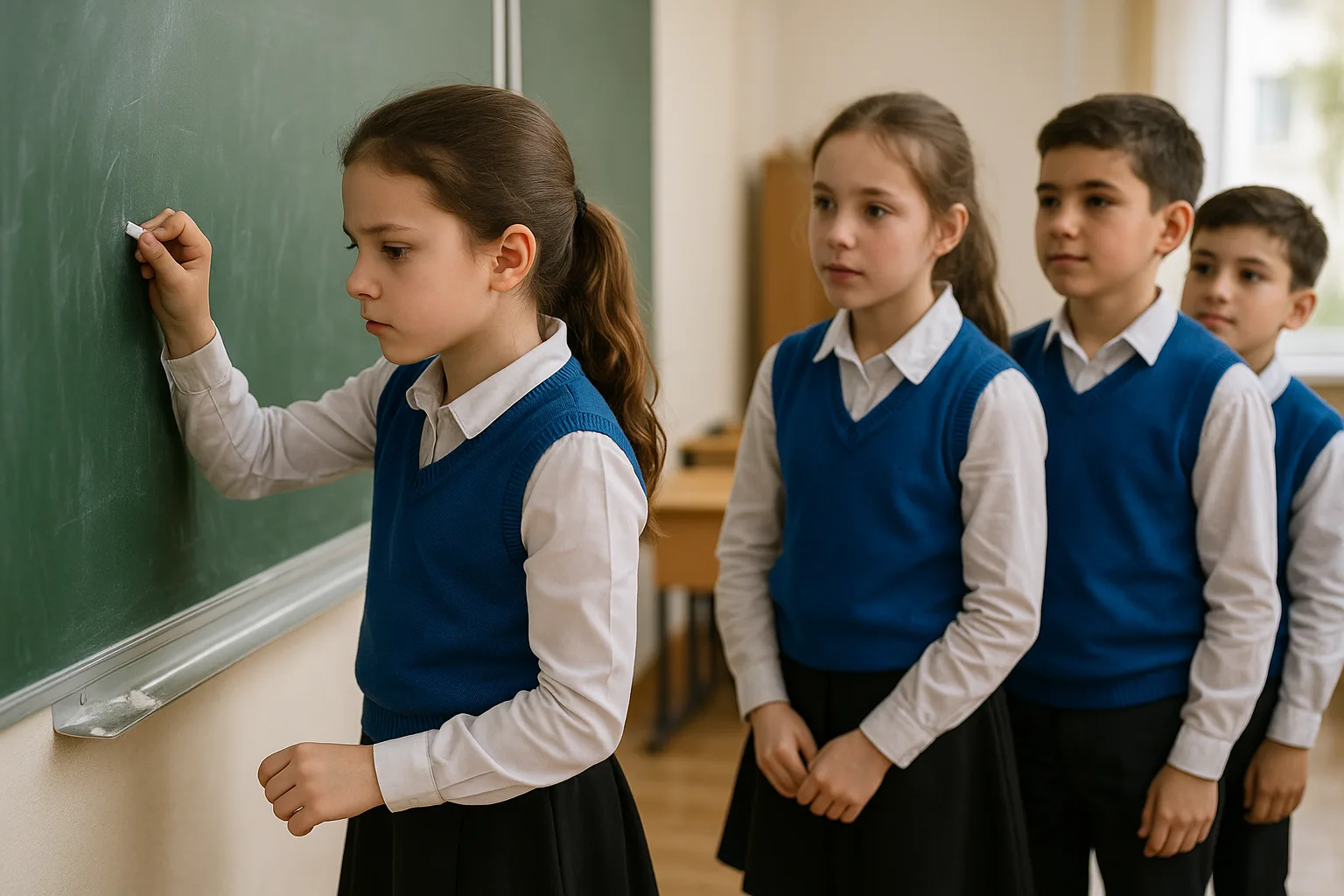
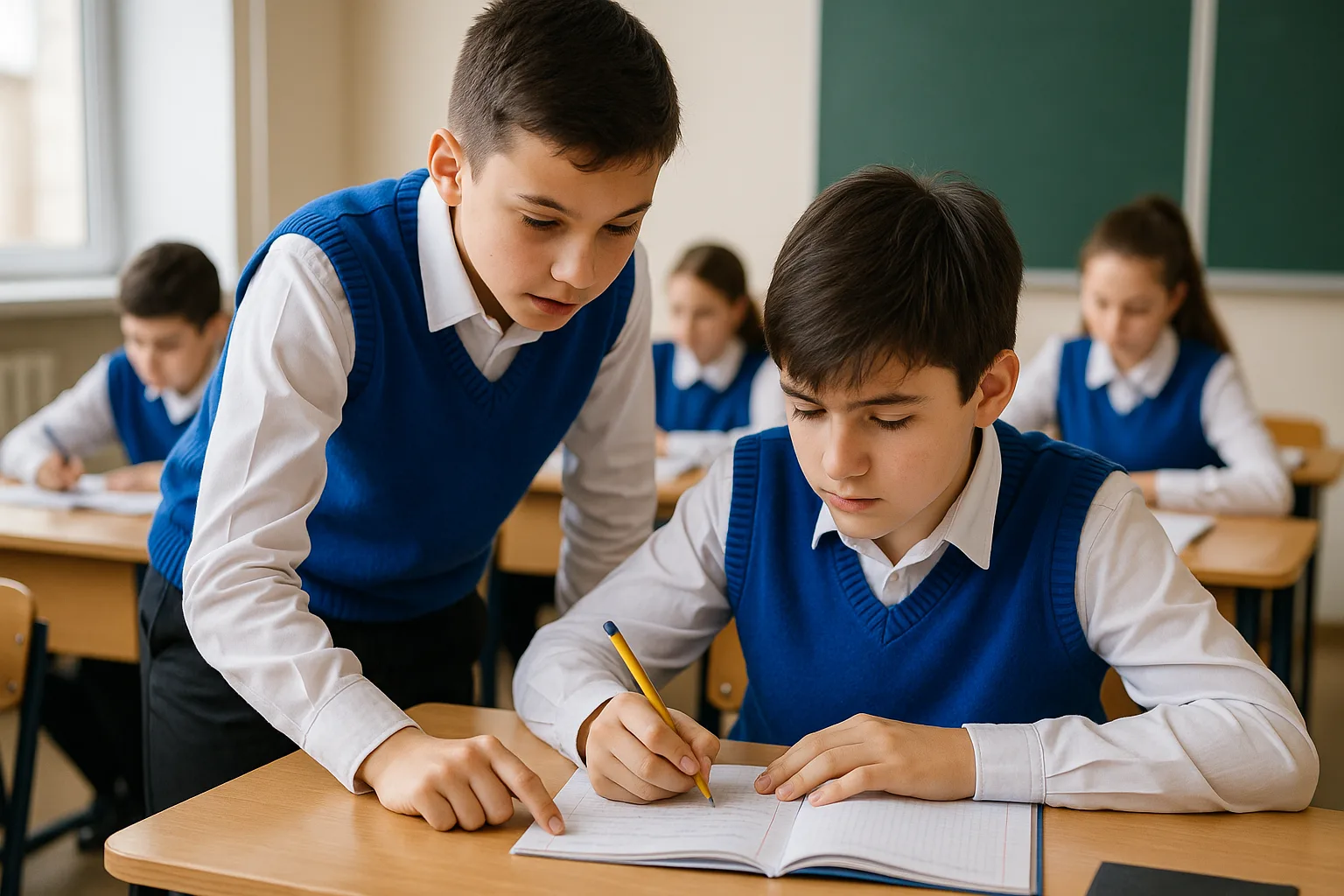
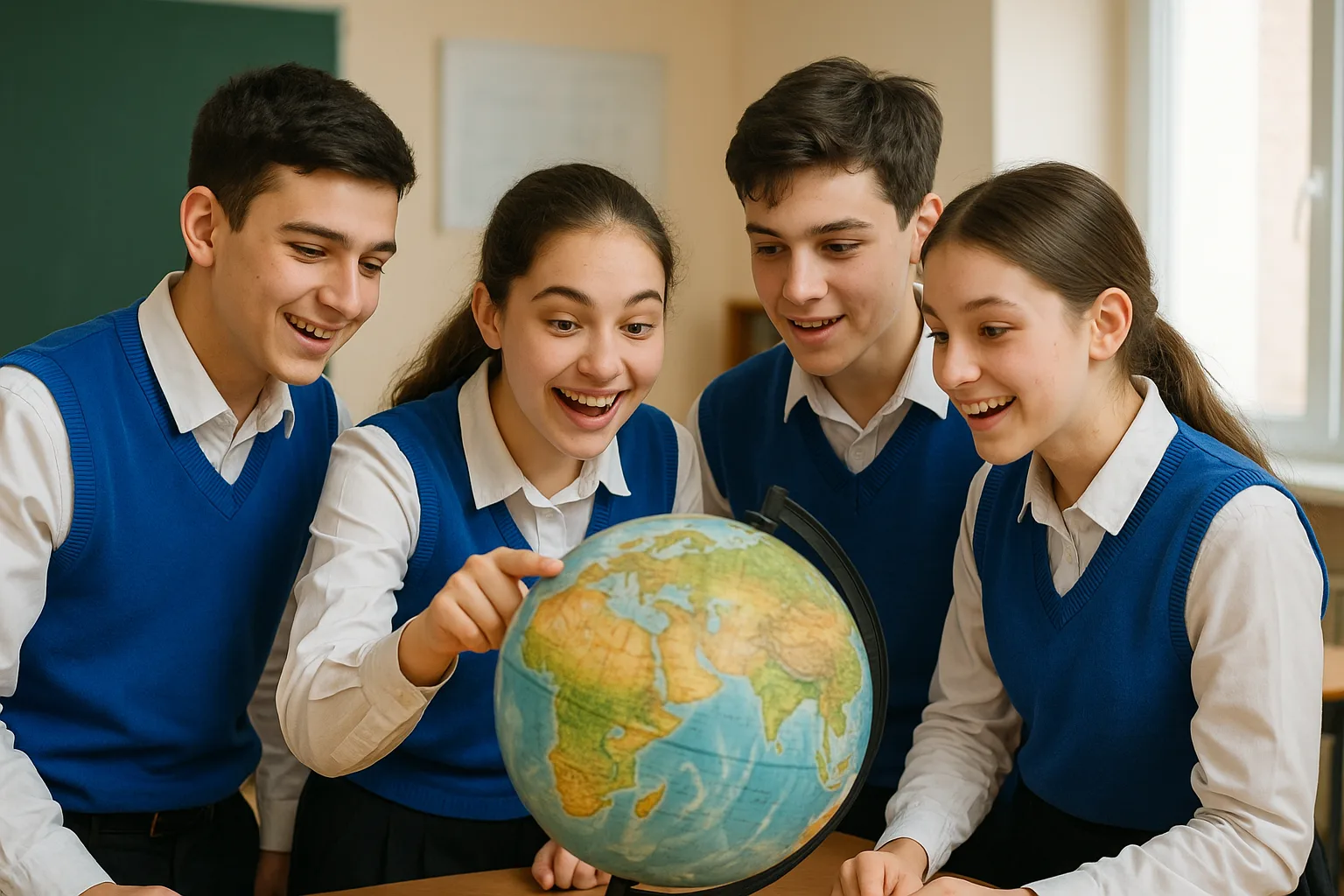
Karachaevsk—nestled in the mountains of the Karachay-Cherkess Republic—has a unique mix of cultural heritage, linguistic diversity, and close ties to the natural environment. These assets make it an ideal setting to adapt *gymnasium* traditions—rigorous, value-driven schooling—with progressive pedagogies that prepare students for the 21st century while honoring local identity.
Core values of gymnasium education
Gymnasium education carries a set of durable values that should remain central as practices evolve:
— Academic excellence — deep subject mastery and intellectual curiosity.
— Moral and civic formation — responsibility, community-mindedness, and ethical reasoning.
— Cultural continuity — respect for local languages, traditions, and history.
— Holistic development — intellectual, emotional, physical, and creative growth.
— Equity and access — ensuring talented students from all backgrounds can benefit.
Progressive practices that complement gymnasium values
These practices modernize instruction while reinforcing core values:
— Student-centered, project-based learning
— Students investigate real problems (e.g., local water management, cultural heritage projects), integrating subjects and building critical thinking.
— Interdisciplinary STEAM and applied learning
— Combine science, technology, engineering, arts, and math with hands-on local projects—hydrology studies, renewable-energy prototypes, or traditional craft design.
— Bilingual and multilingual instruction
— Strengthen Russian literacy while supporting Karachay-Balkar (and other regional languages) through content lessons and cultural modules.
— Outdoor and place-based education
— Use mountain ecology, agriculture, and local geography as living classrooms for biology, geography, and physical education.
— Formative and competency-based assessment
— Move beyond rote testing to portfolios, presentations, and performance tasks that show deep understanding and transferable skills.
— Inclusive education and differentiated instruction
— Flexible groupings, scaffolds, and personalized learning pathways to meet diverse learners’ needs.
— Digital literacy and blended learning
— Integrate low-barrier digital tools for research, collaboration, and formative feedback while ensuring equitable access.
— Community and industry partnerships
— Collaborate with local artisans, environmental agencies, and businesses for apprenticeships, mentorships, and real-world assignments.
— Continuous teacher professional development
— Peer coaching, lesson study, and regional teacher networks to spread innovation and lift instructional quality.
Regional teaching innovations tailored to Karachaevsk
Practical ideas rooted in local strengths and challenges:
— Mountain Ecology Lab (school-to-field program)
— A curriculum strand where students collect data on biodiversity, soil, and water; results feed into conservation projects and local policy dialogues.
— Cultural Heritage Studio
— Cross-curricular projects preserving and revitalizing folk music, crafts, and storytelling—paired with digital archiving and language practice.
— Mobile STEAM van
— A traveling lab bringing experiments, robotics, and maker activities to outlying villages and boarding students.
— Language-Integrated Content Courses
— History, geography, and arts modules taught partly in Karachay-Balkar to strengthen bilingual competence and cultural pride.
— Local Entrepreneurship and Agro-innovation Hub
— Student micro-enterprises focus on sustainable agricultural products, eco-tourism initiatives, and craft cooperatives—teaching business, marketing, and ethics.
— Teacher Exchange & Mentorship Network across Karachay-Cherkessia
— Short-term exchanges, joint summer institutes, and virtual communities of practice to share methods and lesson materials.
— Assessment Showcases and Community Nights
— Regular public exhibitions where students demonstrate portfolios, projects, and research to families and local leaders.
Implementation roadmap (practical steps)
— Phase 1 — Vision and capacity building (3–6 months)
— Convene stakeholders (teachers, parents, local authorities, elders); define shared goals; begin pilot teacher training.
— Phase 2 — Pilot programs (6–18 months)
— Launch 2–3 pilots (e.g., project-based science, bilingual module, mobile STEAM) in one or two schools; collect baseline data.
— Phase 3 — Scale and integrate (18–36 months)
— Refine pilots, adopt successful practices across the gymnasium network, formalize partnerships with local organizations.
— Phase 4 — Institutionalize and sustain (36+ months)
— Update curricula, align assessment, secure funding streams, and build teacher development systems.
Measuring success — suggested indicators
— Student outcomes: improvements in critical thinking tasks, project assessments, bilingual proficiency, and retention rates.
— Teacher capacity: number of teachers trained, observed changes in practice, and participation in professional networks.
— Community engagement: frequency of partnerships, apprenticeship placements, and public exhibition attendance.
— Equity measures: access to programs across socio-economic groups, participation of rural students, and special education inclusion metrics.
— Long-term: secondary/tertiary progression, local employment in sustainability or cultural enterprises, and civic participation.
Challenges and mitigation
— Resource constraints — prioritize low-cost, high-impact pilots; leverage community expertise and mobile resources.
— Teacher workload and buy-in — provide time for collaborative planning, mentoring, and incentives for professional learning.
— Digital divide — use blended solutions that combine offline resources, community access points, and phased tech investment.
— Balancing tradition and innovation — engage elders and cultural leaders early to co-create programs that honor heritage while adopting new methods.
Conclusion
Karachaevsk can become a model for how gymnasium traditions and progressive pedagogy enrich one another: preserving cultural identity and high academic standards while equipping young people with the skills and values to thrive locally and globally. By starting with focused pilots, building teacher capacity, and anchoring projects in the region’s unique geography and culture, schools can create durable, equitable innovations that serve students and community for generations.
If you’d like, I can draft a one-year pilot plan for a Mountain Ecology + Bilingual Content program tailored to a single gymnasium in Karachaevsk, including budget estimates and measurable milestones.