Introduction
Karachaevsk — a compact mountain town at the foothills of the Greater Caucasus — offers a unique canvas for rethinking gymnasium education. Combining the rigor and humanistic orientation of the gymnasium model with locally grounded, progressive pedagogies can foster students who are academically strong, culturally aware, and socially responsible. This article outlines the core values of gymnasium education and practical, region-sensitive innovations that can transform teaching and learning in Karachaevsk.
Core values of gymnasium education
— *Academic excellence*: a demanding curriculum that develops deep subject knowledge, especially in literature, mathematics, sciences, and languages.
— *Critical thinking and intellectual curiosity*: encouraging inquiry, debate, and independent research.
— *Humanistic formation*: promoting ethical reflection, civic-mindedness, cultural literacy, and empathy.
— *Bilingual and multicultural competence*: valuing local languages and traditions alongside Russian and international languages.
— *Lifelong learning*: preparing students to adapt to change through learning-to-learn skills.
Why Karachaevsk is fertile ground for innovation
— Rich cultural heritage (Karachay oral traditions, folklore, crafts) offers content for humanities and project work.
— The natural environment (mountain ecosystems) supports experiential, place-based education.
— A tight-knit community facilitates partnerships among schools, families, local craftsmen, municipal services, and NGOs.
— Regional universities and cultural institutions in the Karachay-Cherkess Republic can provide academic and professional support.
Progressive practices adapted to Karachaevsk
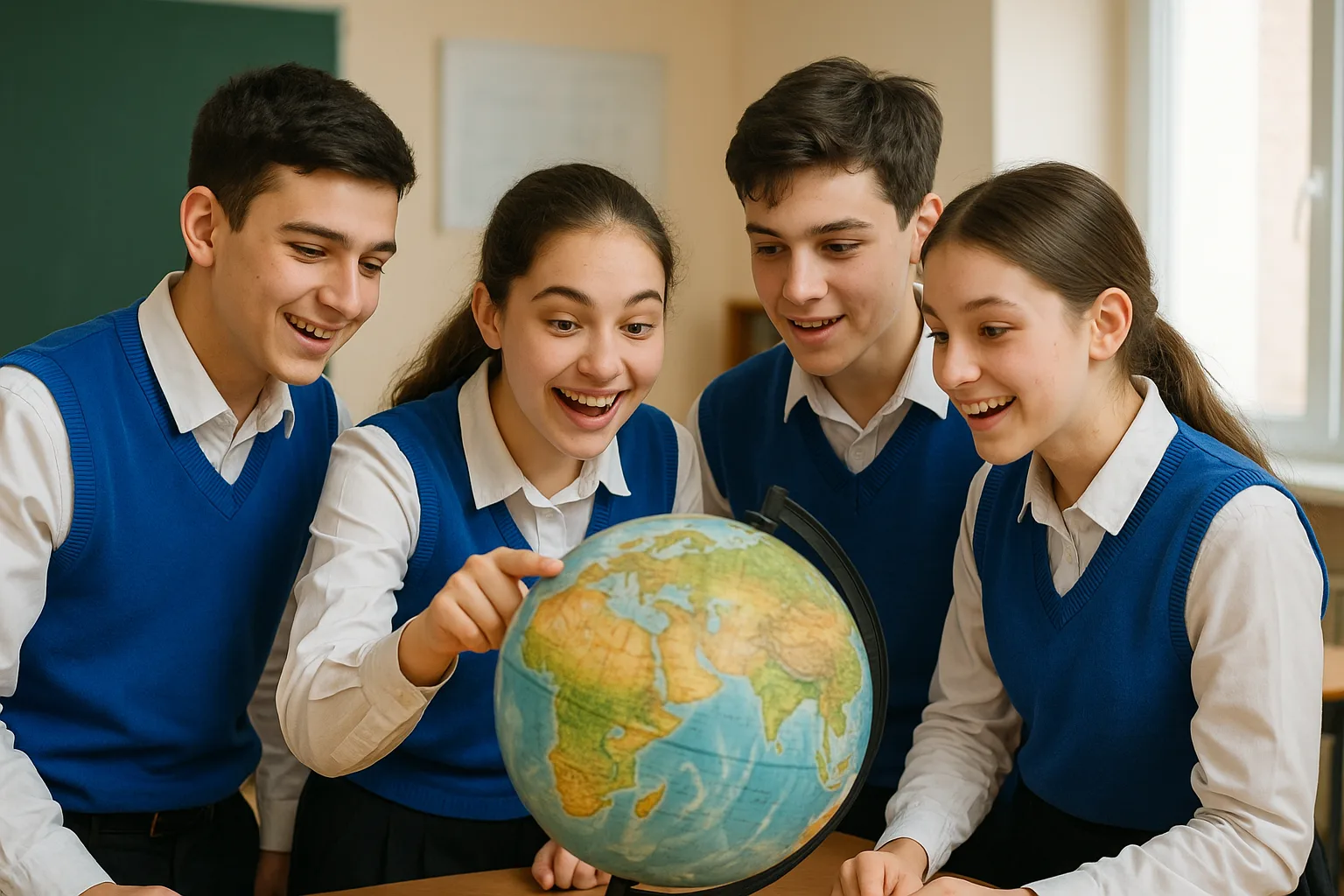
— Project-based learning tied to local needs
— Students research and present solutions for local issues: river conservation, eco-tourism development, or cultural heritage documentation.
— Cross-disciplinary projects (history + environmental science + economics) reflect gymnasium depth.
— Place-based and outdoor education
— Field studies in mountain ecosystems, geology, and traditional land use.
— Seasonal expeditions that combine science fieldwork, literature journals, and cultural storytelling.
— Bilingual and culturally responsive curricula
— Integrate Karachay language literature and oral histories into language and humanities classes.
— Celebrate local festivals and crafts in the school calendar, linking them to learning outcomes.
— Inquiry-driven humanities and STEM integration
— Inquiry seminars in philosophy, local history, and civic issues alongside inquiry labs in STEM.
— Emphasis on evidence, argumentation, and research methods.
— Competency-focused assessment
— Portfolios, oral examinations, and community-facing capstone projects rather than exclusive reliance on high-stakes tests.
— Regular formative feedback to support growth.
Regional teaching innovations — concrete examples and ideas
— Mountain Field Labs: regular trips where students conduct water quality tests, map biodiversity, and create public science exhibits for the town.
— Cultural Heritage Workshops: partnerships with elders and artisans to teach traditional music, crafts, and storytelling—documented as student research projects.
— Digital Local History Archive: students digitize photographs, recordings, and documents to build a community resource, learning research and IT skills.
— School–University Mentorships: collaboration with regional universities (teacher training, guest lectures, student-research supervision).
— Flipped and blended classrooms: core knowledge is accessed online (video lectures, readings); classroom time is used for discussion, practice, and project work — adapted to local connectivity realities with offline resources where necessary.
— Civic Learning Labs: students design and run community initiatives (waste reduction campaigns, tutoring younger peers, public exhibitions) fostering civic agency.
— Teacher Professional Learning Communities: regular peer observation, shared curriculum design, and exchange visits across the republic to spread best practices.
Implementation roadmap for school leaders
1. Define shared values: convene teachers, parents, students, and community leaders to articulate learning goals rooted in gymnasium traditions and local priorities.
2. Start small: pilot one interdisciplinary project or a monthly field day, gather feedback, and scale gradually.
3. Build partnerships: reach out to local experts, cultural centers, NGOs, and universities for content, mentorship, and resources.
4. Invest in teacher development: prioritize training in project-based pedagogy, formative assessment, bilingual instruction, and outdoor education.
5. Adjust assessment: introduce student portfolios and community-facing evaluations alongside standardized measures.
6. Secure sustainable resources: combine municipal support, small grants, community fundraising, and in-kind contributions (spaces, expertise).
7. Share successes: document projects, publish student work, and host community showcases to build momentum and accountability.
Benefits and expected outcomes
— Deeper learning: students gain durable knowledge and transferable skills — research, collaboration, communication.
— Stronger identity and social cohesion: bilingual and culturally rooted learning strengthens pride and mutual respect.
— Civic engagement: students become active contributors to local well-being.
— Enhanced teacher satisfaction and professionalism: collaborative innovation renews practice and improves retention.
— Pathways to higher education and local development: graduates who can navigate both regional realities and broader academic demands.
Conclusion
Karachaevsk has all the elements needed to evolve gymnasium education into a model that marries rigorous academics with place-based, progressive practice. By consciously combining humanistic gymnasium values with locally adapted innovations — field-based science, bilingual cultural curricula, project-driven learning, and community partnership — schools can cultivate thoughtful, capable, and committed young citizens ready to contribute to the future of the Caucasus and beyond.
*A practical next step: organize a community forum in your school to identify one pressing local challenge and design a student-led project that addresses it this semester.*