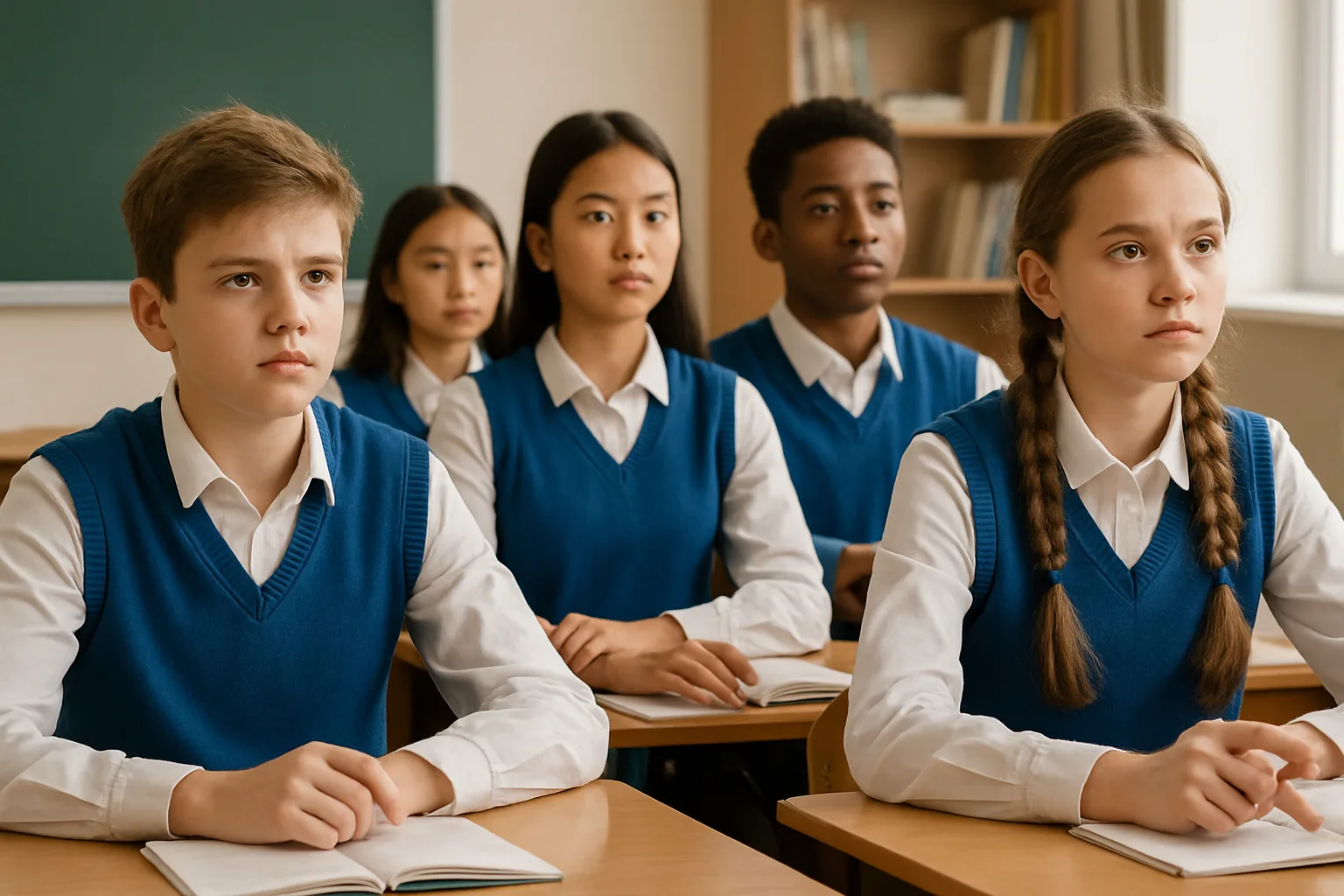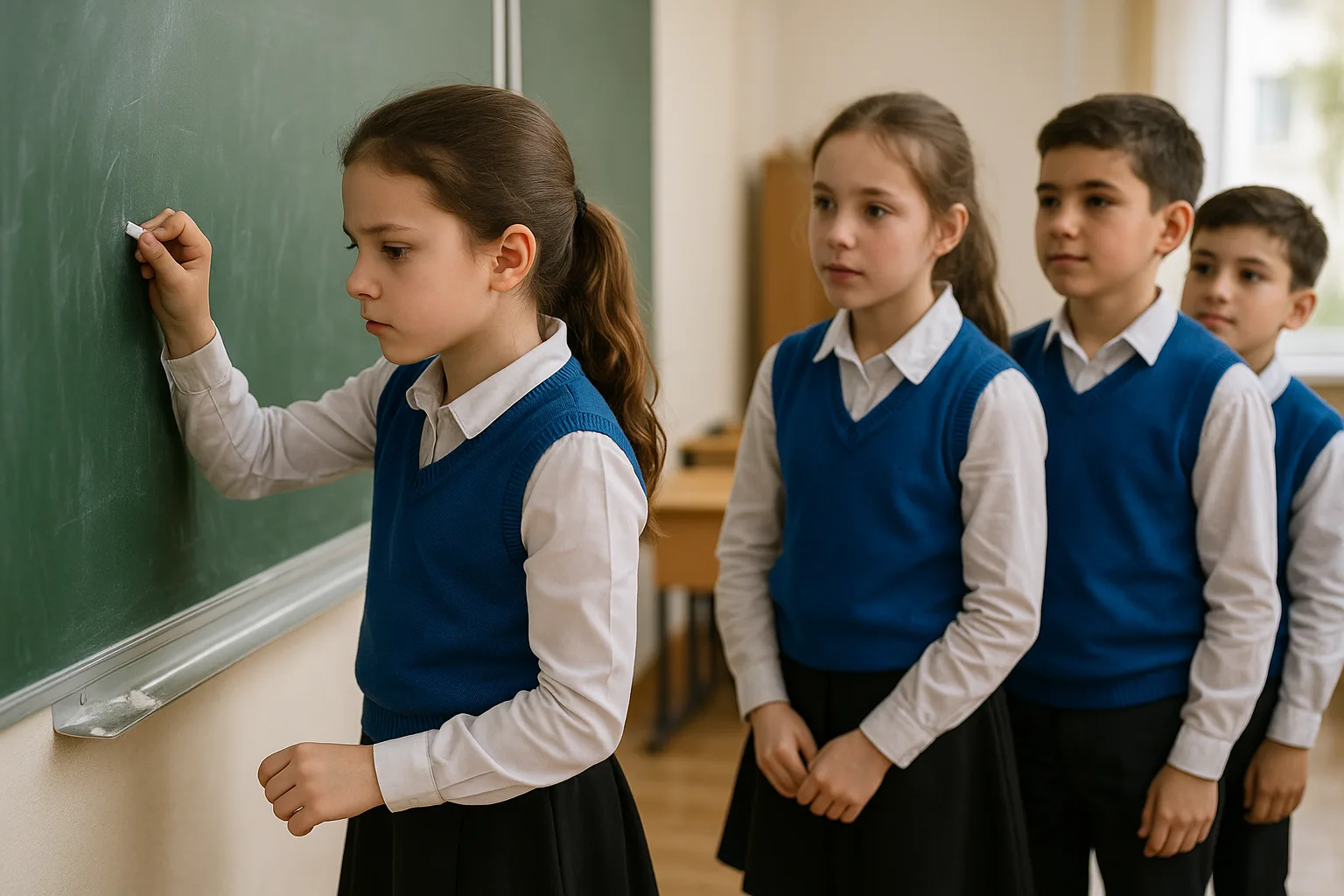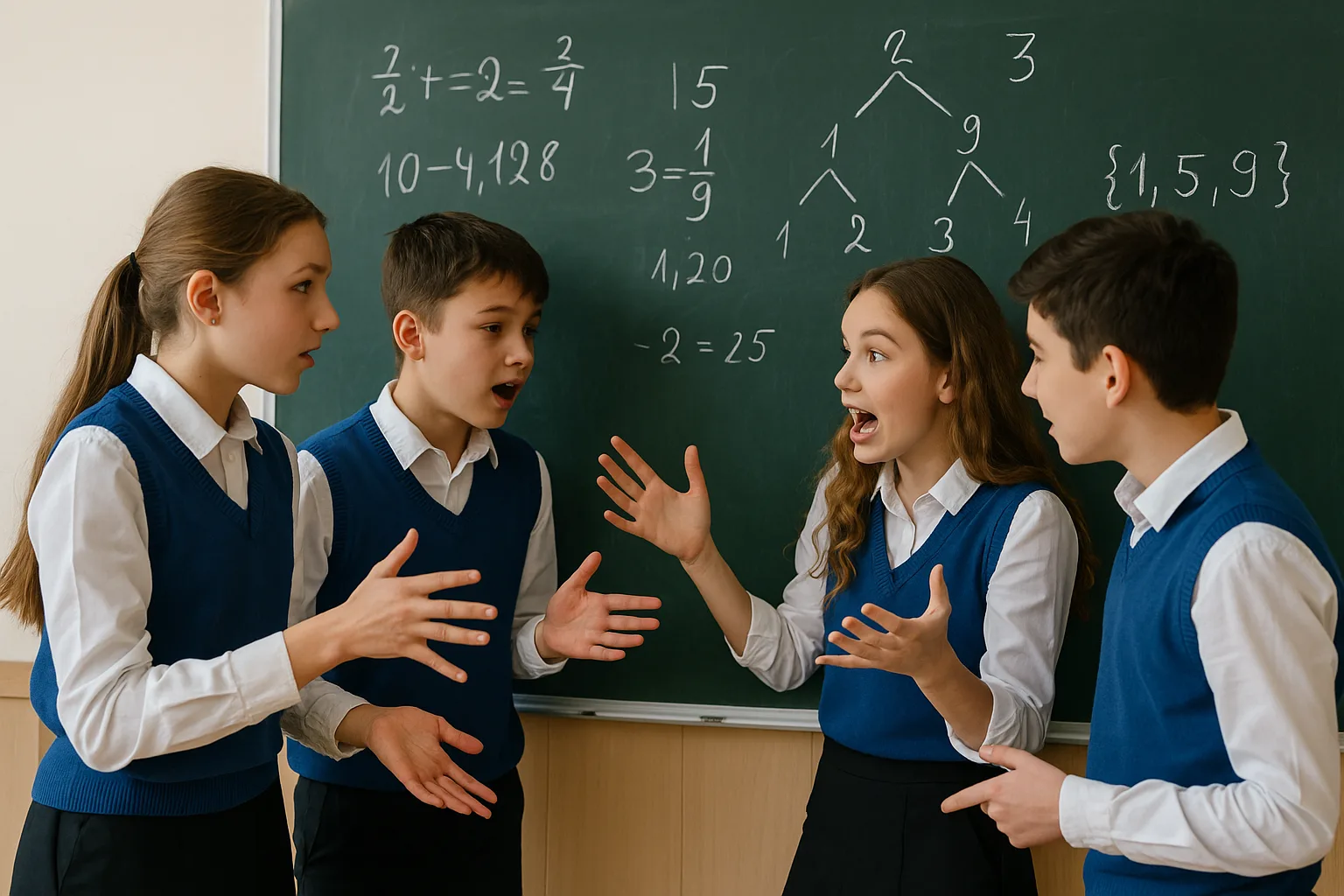
Renewing Gymnasium Education in Karachaevsk: Progressive Practices Rooted in Local Values
Introduction
Karachaevsk sits at the crossroads of rich mountain landscapes, vibrant Karachay-Balkar traditions, and a strong sense of community. For gymnasiums in the town, this setting is not just a backdrop — it is an educational resource. Combining the enduring values of gymnasium education with progressive pedagogies and regional innovations can create schools that prepare students for a complex future while preserving local identity.
The core values of gymnasium education — reframed for Karachaevsk
Gymnasium education traditionally emphasizes intellectual rigor and cultural literacy. In Karachaevsk, those classical pillars can be complemented by regionally rooted priorities:
— *Academic excellence* — deep, inquiry-driven mastery across disciplines.
— *Civic and moral formation* — responsible citizenship informed by local history and communal life.
— *Cultural continuity* — fluency in Russian and respect for Karachay-Balkar language, arts and folklore.
— *Personal development* — critical thinking, creativity, resilience and social responsibility.
— *Connection to place* — learning that leverages the Caucasus environment and community networks.
Progressive practices that work in a mountain town
Below are scalable, classroom-level approaches that align with gymnasium values while embracing modern pedagogy:
— Project-based learning (PBL)
— Students research local topics — river ecology, mountain agriculture, oral histories — producing portfolios, exhibitions or community briefs.
— Interdisciplinary modules
— Combine literature, history and geography around regional themes (e.g., migration, mountain livelihoods), fostering systems thinking.
— Formative and competency-based assessment
— Replace one-off high-stakes tests with continuous assessment that measures students’ skills, not just recall.
— Culturally responsive teaching
— Integrate Karachay-Balkar stories, songs and traditions into curricula so learners see their identities reflected in schoolwork.
— Blended and flexible learning
— Use digital platforms for personalized instruction when weather or geography limits travel; flip lessons to maximize face-to-face problem-solving time.
— Outdoor and place-based education
— Regular fieldwork in nearby valleys/forests to teach biology, geography, physical education and stewardship.
— Inclusive and differentiated instruction
— Tailor activities to students’ readiness, language backgrounds and interests to close gaps without lowering standards.
Regional teaching innovations to scale across Karachaevsk
Karachaevsk’s context invites specific innovations that can be driven by schools, local authorities and community partners:
— Local curriculum modules
— Co-develop curricular units with elders, artists and environmentalists to document heritage and contemporary life.
— Teacher professional learning communities (PLCs)
— Regular peer coaching, joint lesson study and shared digital repositories adapted to regional needs.
— School–community partnerships
— Internships with municipal services, farmers, NGOs and cultural centers so students apply skills locally.
— Mobile resource hubs
— Traveling labs (science kits, art supplies, digital equipment) that rotate between schools in remote areas.
— Environmental stewardship initiatives
— Student-led conservation projects protecting mountain ecosystems, with measurable outcomes and public showcases.
— Language revitalization programs
— After-school clubs and curricular content that support bilingual fluency and intergenerational transmission.
— Collaboration with regional universities
— Guest lectures, mentorship for research projects and teacher training provided by nearby higher-education institutions.
A step-by-step roadmap for implementation
Practical steps for gymnasiums to combine values and innovation:
1. Map local assets: identify cultural bearers, natural sites, municipal partners and digital access points.
2. Build a shared vision: involve teachers, parents, students and community leaders in setting priorities.
3. Pilot small: start with one cross-disciplinary project and one teacher PLC; evaluate and refine.
4. Train teachers: focus on formative assessment, project design and culturally responsive methods.
5. Scale strategically: expand successful pilots, share resources between schools, and seek modest grants for mobile hubs.
6. Measure impact: track academic outcomes, student engagement, language use and community feedback.
Illustration: a school project idea
Title: «Rivers of Memory — Science, Story, Stewardship»
— Students document a local stream’s biodiversity, record oral histories about its role in community life, and design an action plan to reduce pollution.
— Outcomes: scientific report, bilingual multimedia exhibition, and a community pledge displayed in the town square.
Benefits to Karachaevsk and beyond
— Stronger student engagement through relevant, hands-on learning.
— Preservation and celebration of local culture alongside academic rigor.
— Greater teacher satisfaction and professional growth.
— Community empowerment as schools become hubs of research, creativity and civic action.
— A generation prepared to navigate regional and global challenges without losing local identity.
Practical recommendations (quick list)
— Prioritize teacher collaboration and focused professional development.
— Start with low-cost, high-impact pilots (PBL, outdoor lessons, community interviews).
— Use technology to bridge distance but keep local knowledge central.
— Measure both cognitive and socio-emotional outcomes.
— Celebrate and communicate successes to build wider support.
Conclusion
Gymnasium education in Karachaevsk can be both a guardian of tradition and an engine of innovation. By aligning progressive practices with the town’s cultural and environmental strengths, local schools can cultivate well-rounded, engaged citizens who value their heritage and are equipped for the future. The path forward is pragmatic: listen to the community, support teachers, pilot boldly, and scale what works.