Introduction
Karachaevsk, set against the dramatic backdrop of the North Caucasus, is a place where tradition and modernity meet. Local gymnasiums — with their emphasis on depth of study and holistic formation — are uniquely positioned to combine rigorous academic standards with community-rooted innovation. This article outlines the core values of gymnasium education, progressive pedagogies being adopted, and concrete regional innovations that strengthen learning outcomes and cultural resilience in Karachaevsk.
Core values of gymnasium education
Gymnasium education in Karachaevsk rests on several interlocking principles:
— *Academic excellence*: deep, sustained study of subjects to prepare learners for higher education and informed citizenship.
— *Critical thinking and inquiry*: developing analytical skills, argumentation and independent research.
— *Cultural identity and respect*: preserving and celebrating local languages, history and traditions alongside national curricula.
— *Civic responsibility*: encouraging community engagement, ethical reasoning and leadership.
— *Personal development and wellbeing*: nurturing creativity, emotional resilience and lifelong learning habits.
These values guide curricular choices, extracurricular programming and school culture.
Progressive educational practices being adopted
Local gymnasiums are adopting evidence-based, student-centered practices that align with global trends while remaining locally relevant:
— Personalized learning pathways
— Individual learning plans and elective tracks (STEM, humanities, arts).
— Differentiated instruction for mixed-ability classes.
— Project-based and interdisciplinary learning
— Long-term community or environment projects that integrate science, history and language.
— Authentic assessments: portfolios, exhibitions and public presentations.
— Blended and flipped classroom models
— Pre-class digital materials, in-class active learning and teacher-facilitated discussion.
— Use of low-bandwidth platforms for rural connectivity challenges.
— Competency-based assessment and formative feedback
— Frequent low-stakes checks, rubrics for skills, and goal-setting conferences with students.
— Inclusive and culturally responsive pedagogy
— Bilingual support, culturally relevant materials and collaboration with community elders.
— Maker spaces and STEM clubs
— Hands-on robotics, coding, eco-engineering and local-materials workshops.
— Outdoor and place-based education
— Mountain ecology labs, field mapping and heritage trails as living classrooms.
Regional teaching innovations in Karachaevsk
Karachaevsk’s specific geographic, cultural and social context has given rise to several distinguishing innovations:
— Integrating local languages and traditions into the gymnasium curriculum
— Elective modules in Karachay-Balkar language and folklore, oral-history projects with elders, and traditional arts workshops embedded into humanities courses.
— Mountain and ecological field programs
— Regular field expeditions to local ecosystems where students collect data for regional biodiversity monitoring and apply scientific method to real problems (e.g., water quality, soil erosion).
— Community-led project partnerships
— Students collaborate with municipal services, local NGOs and artisans on tangible projects: restoring small cultural sites, designing sustainable tour routes, or developing public-awareness campaigns.
— Teacher professional learning networks (regional hubs)
— Cross-school lesson studies, peer observations and short-term exchanges with teachers from neighboring districts to spread promising practices.
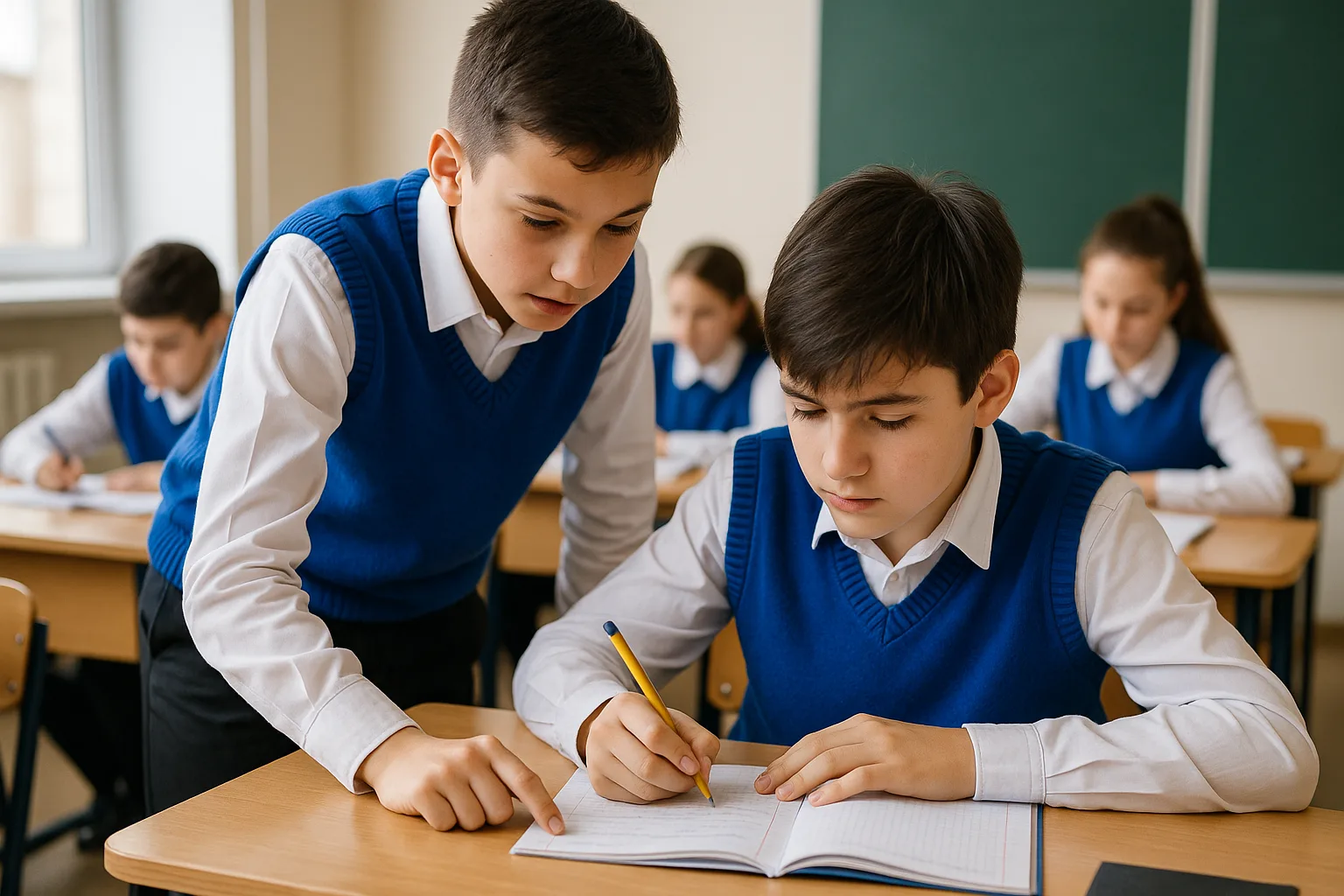
— Small-school mentorship models
— Older students mentor younger cohorts in academic and civic projects, leveraging close-knit school communities to build leadership skills.
— Digital inclusion initiatives
— Shared digital labs and scheduling to maximize limited equipment; teacher-created repositories of lessons and local multimedia resources for continuity during disruption.
Examples of classroom-to-community impact
(Representative models that local gymnasiums can replicate)
— A cross-age civic project where gymnasium students researched local water sources, presented findings to the municipal council, and co-designed low-cost protection measures with artisans. Result: increased civic engagement and practical STEM experience.
— A bilingual literature pathway that combined Karachay-Balkar folklore with comparative world stories. Result: improved literacy, strengthened cultural identity and higher participation in regional literary events.
— A robotics and eco-design club partnering with a regional enterprise to prototype low-cost irrigation sensors for highland gardens. Result: entrepreneurship skills and tangible benefits for local farmers.
Practical recommendations for scaling innovation
For school leaders, teachers and local stakeholders who want to deepen progressive practices in Karachaevsk:
— Start with teacher-driven pilots
— Fund small, time-bound classroom experiments and share results across schools.
— Build community partnerships early
— Invite elders, artisans, local authorities and universities into curriculum design and project supervision.
— Prioritize teacher professional development
— Focus PD on inquiry-based methods, formative assessment, bilingual instruction and digital pedagogy.
— Use place-based projects as curricular anchors
— Align municipal needs (environment, heritage, tourism) with student projects to ensure relevance and visibility.
— Invest in low-cost maker materials and outdoor learning infrastructure
— Simple sensors, recycled materials and basic lab kits unlock hands-on learning without heavy budgets.
— Monitor outcomes beyond test scores
— Track civic participation, student portfolios, attendance, continuation to higher education, and community feedback.
Conclusion
Gymnasiums in Karachaevsk can be centers of forward-looking education that honor local identity while preparing students for a complex world. By combining rigorous subject study with project-based learning, bilingual and culturally responsive teaching, outdoor inquiry, and deep community partnerships, regional schools can produce graduates who are both academically prepared and socially rooted. The result is education that strengthens individual futures and the resilience of the whole community.
If you’d like, I can draft a sample year-long interdisciplinary project (mountain ecology + language arts + statistics) tailored for a Karachaevsk gymnasium, including outcomes, assessment rubrics and a community engagement plan.