Introduction
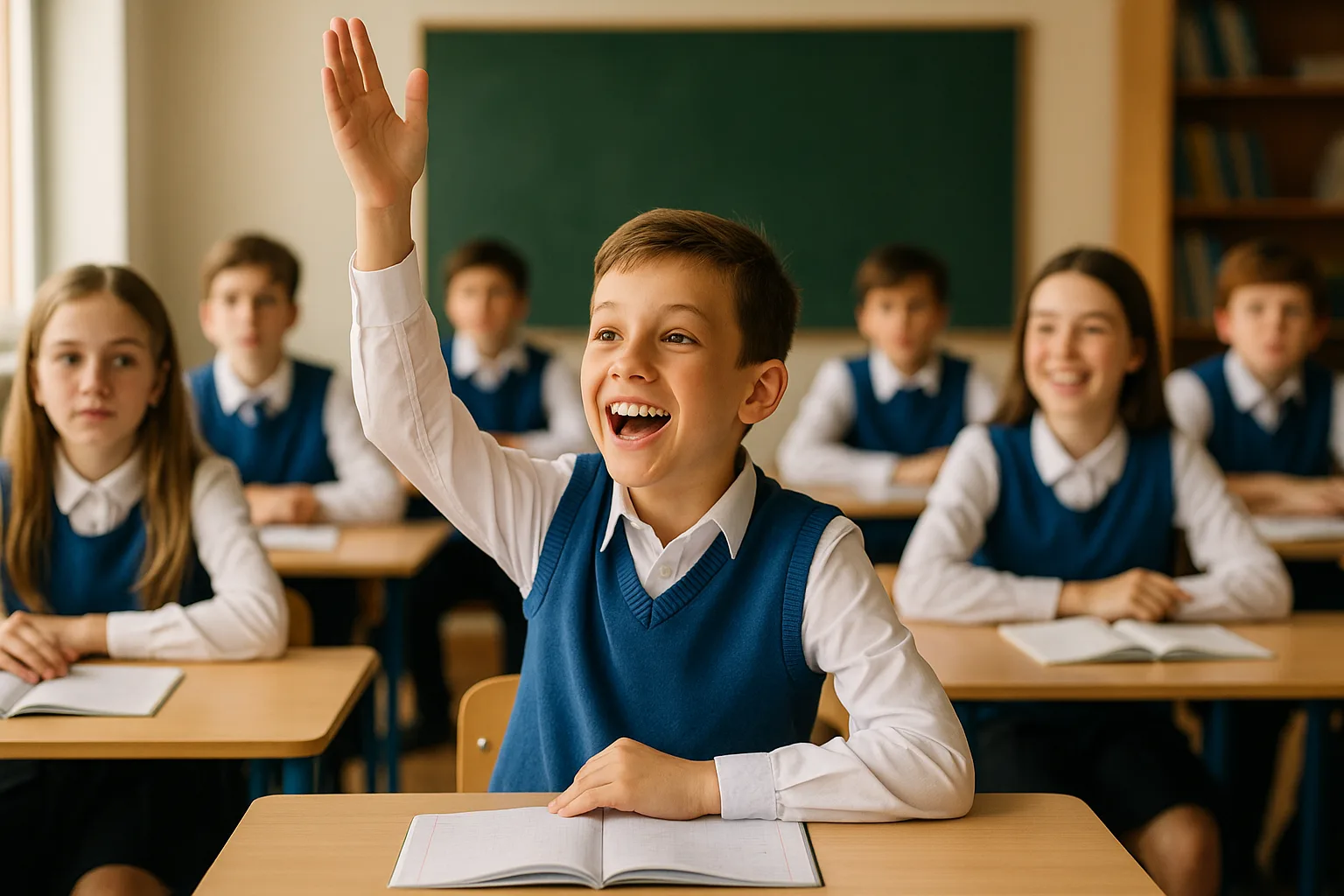
Karachaevsk, a mountain town in the Karachay-Cherkess Republic, sits at the crossroads of rich cultural traditions and pressing 21st-century educational needs. Gymnasium education in this region can become a model for combining rigorous academics, civic values, and local relevance through progressive practices and regional teaching innovations. This article outlines core values of gymnasium education, practical progressive methods suited to Karachaevsk, and a roadmap for implementation that respects local identity while preparing young people for global challenges.
Core values of gymnasium education
Gymnasium schools traditionally emphasize deep subject knowledge and moral formation. In a modernized approach for Karachaevsk, those values can be expressed as:
— *Academic excellence*: rigorous, concept-driven study across the humanities, sciences, and arts.
— *Intellectual curiosity*: inquiry-based learning and disciplined research skills.
— *Civic responsibility*: community-mindedness, respect for local culture, and democratic habits.
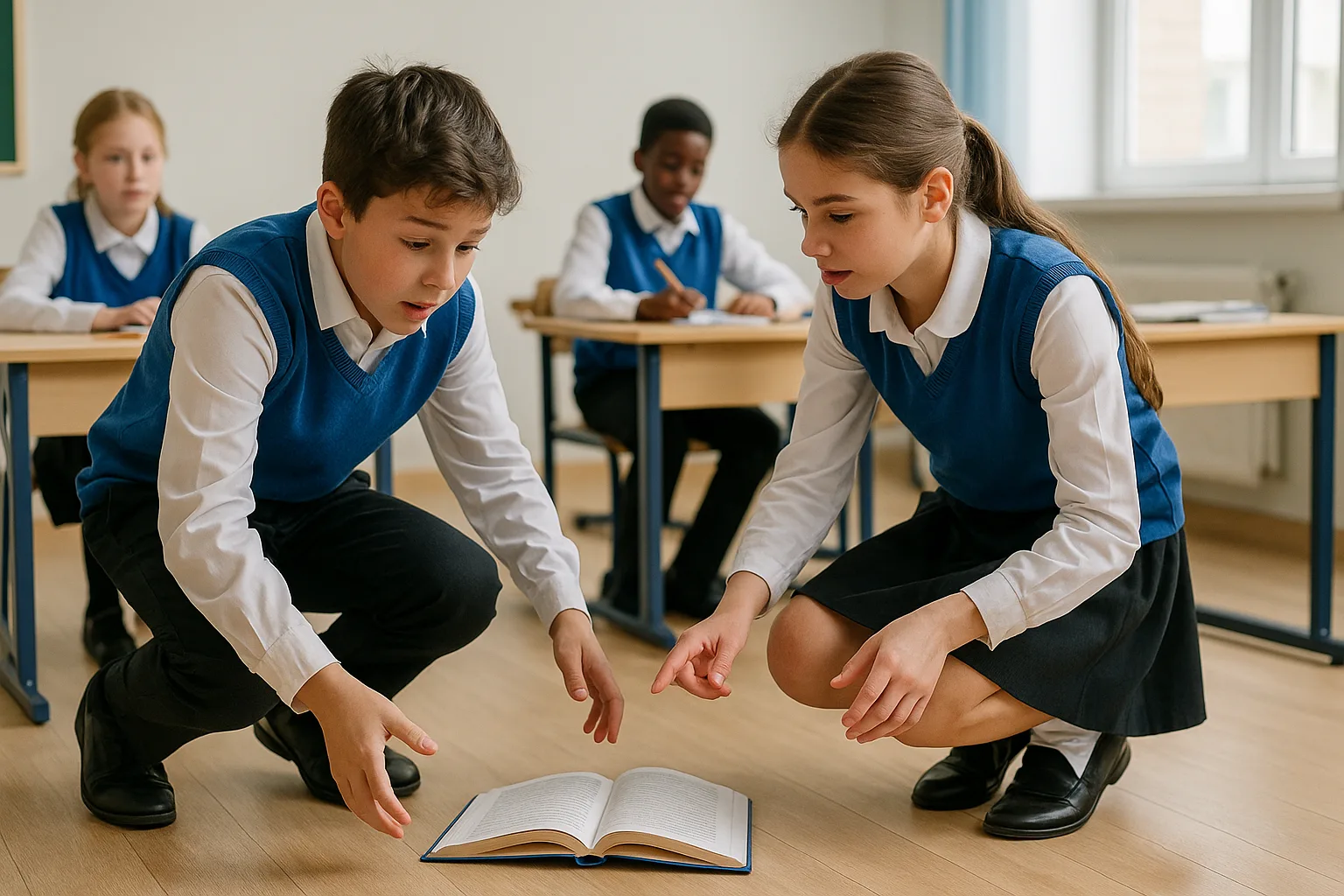
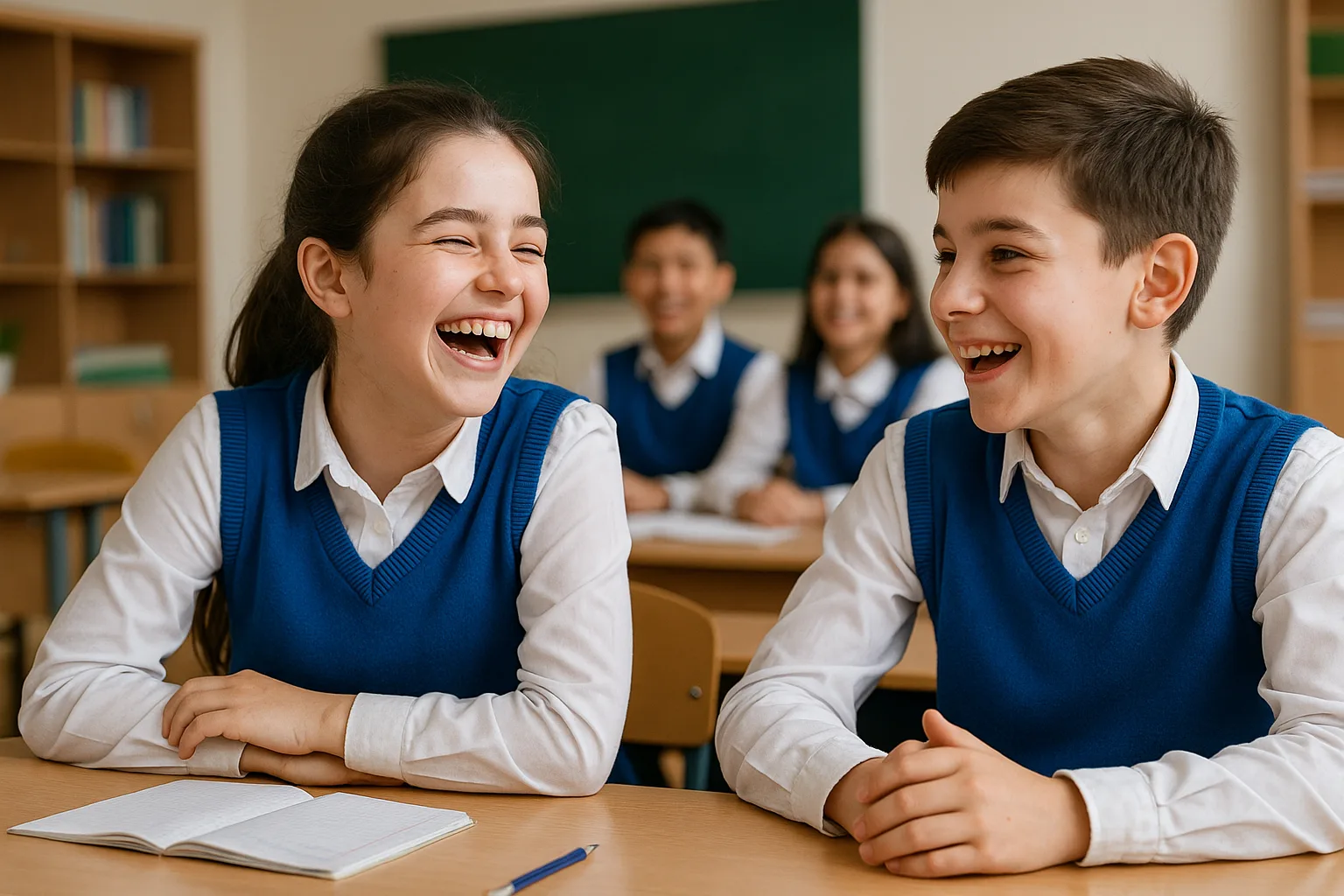
— *Character and resilience*: perseverance, ethical behavior, and collaboration.
— *Cultural rootedness*: respect for local languages, traditions, and environmental stewardship.
Progressive practices adapted to the regional context
Progressive educational methods can be implemented without losing the gymnasium’s high standards. Relevant approaches include:
— Project-based learning (PBL)
— Interdisciplinary projects connecting local history, ecology, and STEM (e.g., mapping native plant species, interviewing elders, producing bilingual exhibitions).
— Student-led research that culminates in community presentations.
— Blended and flipped classrooms
— Short recorded lectures and curated resources for homework; class time devoted to discussion, problem-solving, and mentorship.
— Use of simple local learning hubs or shared connectivity points for rural students.
— Formative assessment and personalized learning
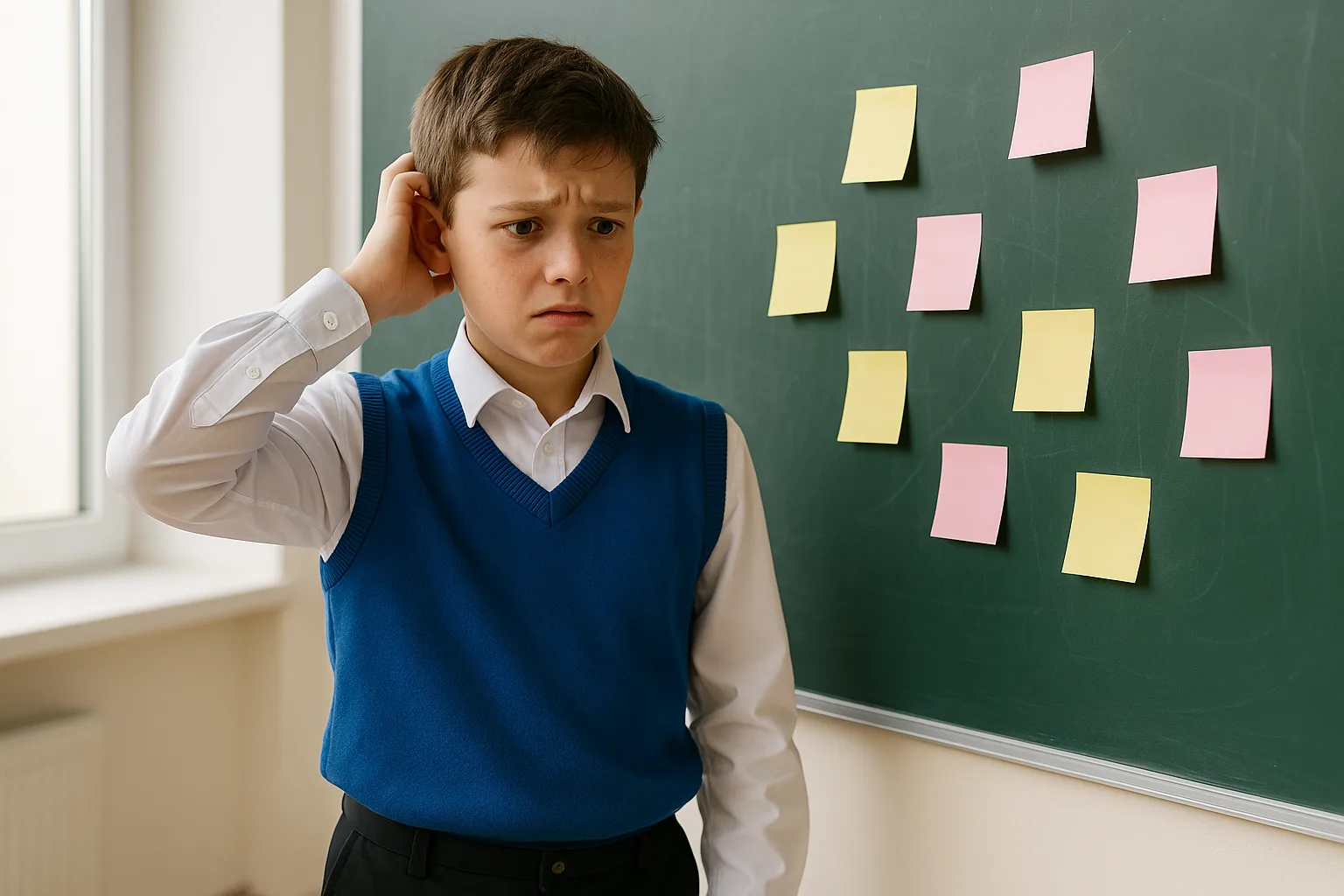
— Frequent low-stakes checks, portfolios, and learning pathways that allow students to progress at different paces while maintaining gymnasium standards.
— STEAM and place-based education
— Integrate science, technology, engineering, arts, and math with local contexts: mountain ecology, traditional crafts, sustainable tourism, and regional agriculture.
— Multilingual and culturally responsive instruction
— Lessons that reflect local languages and narratives, supporting both Russian-language mastery and cultural-linguistic pride.
— Inclusive education and social-emotional learning (SEL)
— Universal design for learning to support students with diverse needs; structured SEL curricula to build empathy and teamwork.
— Teacher professional communities
— Regular collaborative planning, peer observation, and regional study groups that share effective practices across schools.
Regional teaching innovations suitable for Karachaevsk
Practical innovations anchored in the region’s strengths:
— Mountain and ecology field labs
— Regular field studies in nearby natural areas to teach biology, geography, and climatology firsthand. Students contribute local data to regional environmental monitoring.
— Community partnership programs
— Joint projects with cultural centers, local artisans, and municipal services: oral-history projects, craft preservation workshops, and student internships with small businesses.
— Mobile learning units
— Portable labs or resource kits that bring experiments, art materials, and digital tools to remote settlements and smaller villages.
— Local curriculum modules
— Elective units on regional history, folk arts, and economy that students can choose, producing tangible outputs (exhibitions, short films, guidebooks).
— Digital mentoring and university pipelines
— Virtual guest lessons and mentorships with teachers and researchers from regional universities; summer bridge programs for gymnasium students aiming for higher education.
— Festivals and public showcases
— Annual student festivals that celebrate science fairs, theatrical performances, and craft expositions—strengthening school–community ties.
Implementation roadmap
A staged approach increases feasibility and impact:
1. Needs assessment (3 months)
— Map local strengths, connectivity, teacher interests, and community partners.
2. Pilot projects (6–12 months)
— Start 2–3 pilots (e.g., a PBL ecology module, a flipped-classroom math cohort, and a community oral-history project).
3. Professional development (ongoing)
— Regular training workshops, peer observations, and access to online resources.
4. Scale and integrate (12–36 months)
— Evaluate pilots, refine practices, integrate successful modules into gymnasium curricula.
5. Institutionalize and sustain
— Secure municipal or regional support, embed practices into school schedules, and create a teacher-led innovation network.
Measuring impact
Use mixed measures to evaluate success:
— Academic outcomes: subject mastery, performance on formative assessments, and progression to higher education.
— Engagement metrics: attendance, participation in projects, and student retention.
— Community outcomes: number of community-partnership events, local stakeholder feedback.
— Teacher growth: participation in professional development and adoption of new practices.
— Student portfolios and public showcases as qualitative evidence of deep learning.
Recommendations for stakeholders
— School leaders: Protect time for teacher collaboration and build local partnerships; prioritize gradual, evidence-based change.
— Teachers: Start with one classroom innovation; collect qualitative and quantitative evidence; share outcomes.
— Parents and community: Engage in co-creation of projects; host student exhibitions and mentoring opportunities.
— Local authorities: Invest in connectivity hubs, mobile resources, and incentives for teacher professional development.
— Regional universities and NGOs: Offer mentorship, research collaborations, and materials to enrich gymnasium programs.
Conclusion
Karachaevsk’s gymnasiums can honor longstanding educational values while embracing progressive methods tailored to their mountain context and cultural heritage. Through project-based learning, place-based curricula, strong community partnerships, and sustained teacher development, local schools can foster academically capable, resilient, and civically engaged young people ready for both regional leadership and broader horizons.
Embracing innovation need not mean abandoning tradition—on the contrary, aligning rigorous gymnasium standards with the region’s unique strengths can create a distinctive, forward-looking model of education for the North Caucasus.