Introduction
Karachaevsk sits at the crossroads of mountain landscapes, rich traditions, and a desire for forward-looking education. A modern gymnasium—grounded in the civic, cultural and academic values that define gymnasium education—can become a catalyst for local development by combining rigorous, broad-based learning with community-rooted innovations. This article outlines principles, practical progressive practices, and region-specific innovations that can help Karachaevsk schools prepare students for the 21st century while preserving local identity.
Core values of gymnasium education
Gymnasium education emphasizes more than test scores; it cultivates the whole learner. Key values to center in Karachaevsk’s gymnasia:
— Academic excellence across humanities, sciences and the arts
— Intellectual curiosity and lifelong learning
— Character formation: responsibility, civic engagement, resilience
— Cultural literacy and respect for local heritage and multilingualism
— Equitable access to meaningful learning opportunities
Progressive educational practices that align with gymnasium values
These practices maintain academic depth while promoting active, student-centered learning:
— Project-based learning (PBL)
— Complex, semester-long projects tied to local issues (e.g., watershed health, cultural festivals).
— Personalized learning pathways
— Individual learning plans, differentiated tasks, and flexible pacing.
— Interdisciplinary STEAM approaches
— Integrate arts, engineering and local knowledge—e.g., traditional craft + materials science.
— Formative assessment and portfolios
— Frequent feedback, student reflection, and cumulative portfolios for deep assessment.
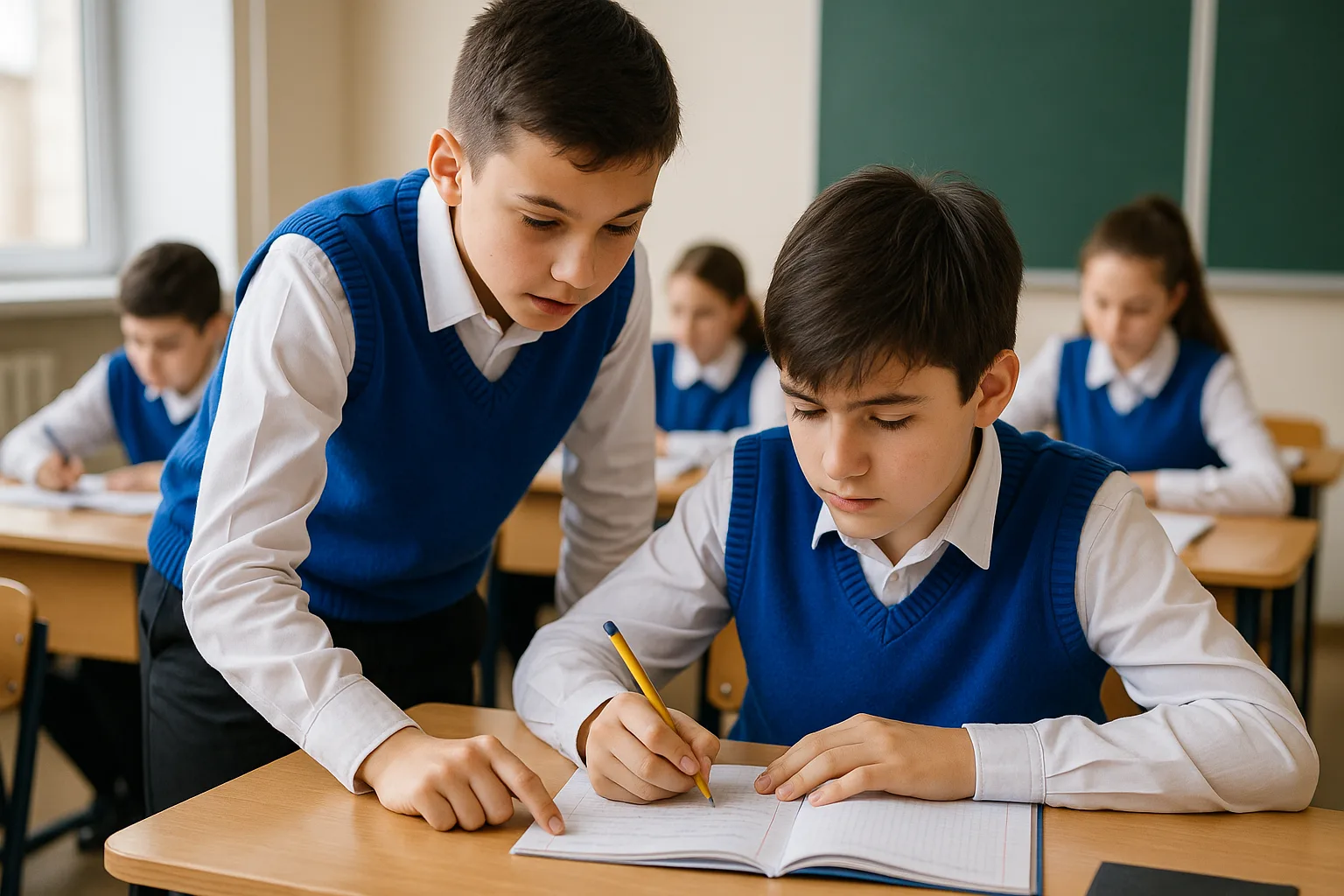
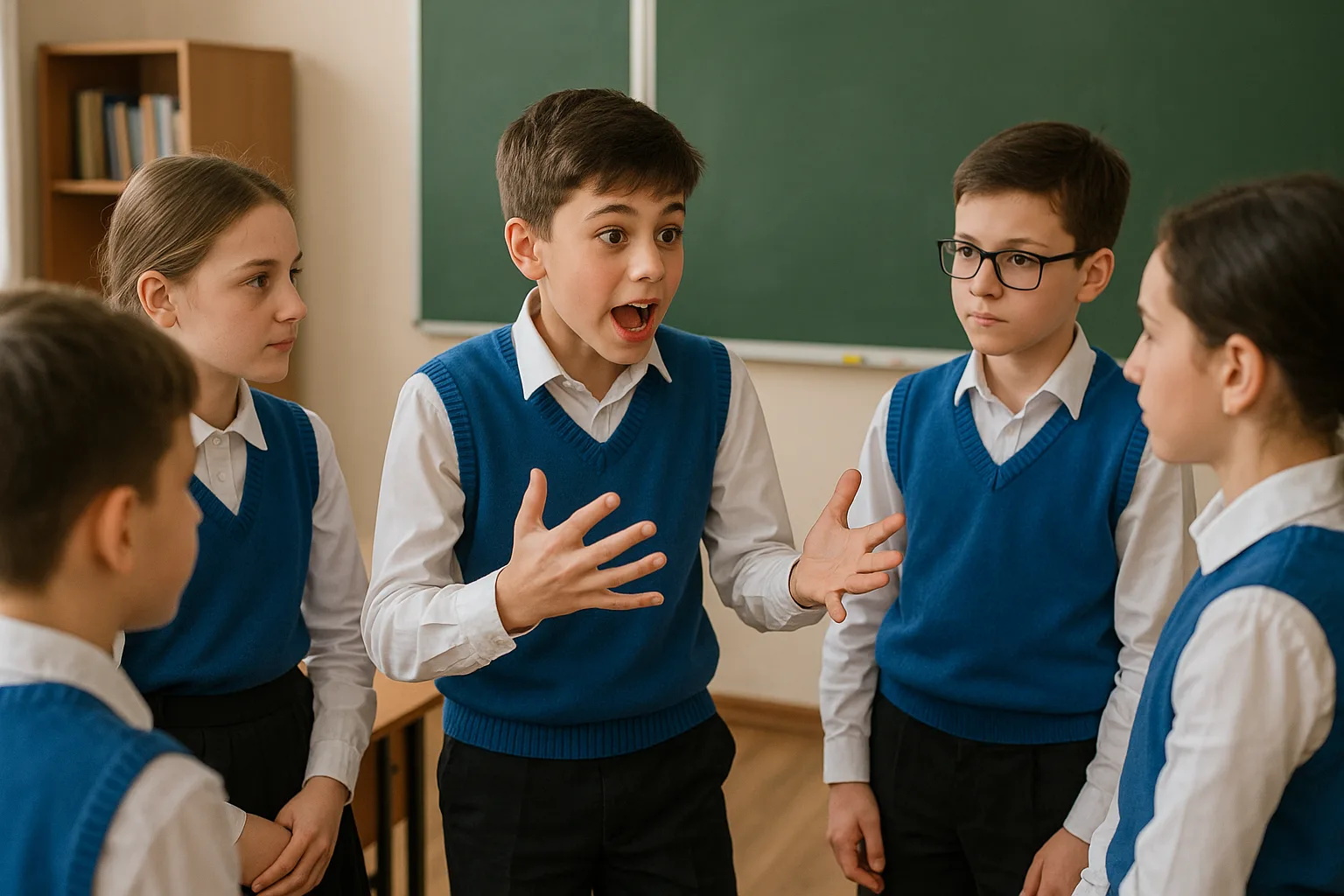
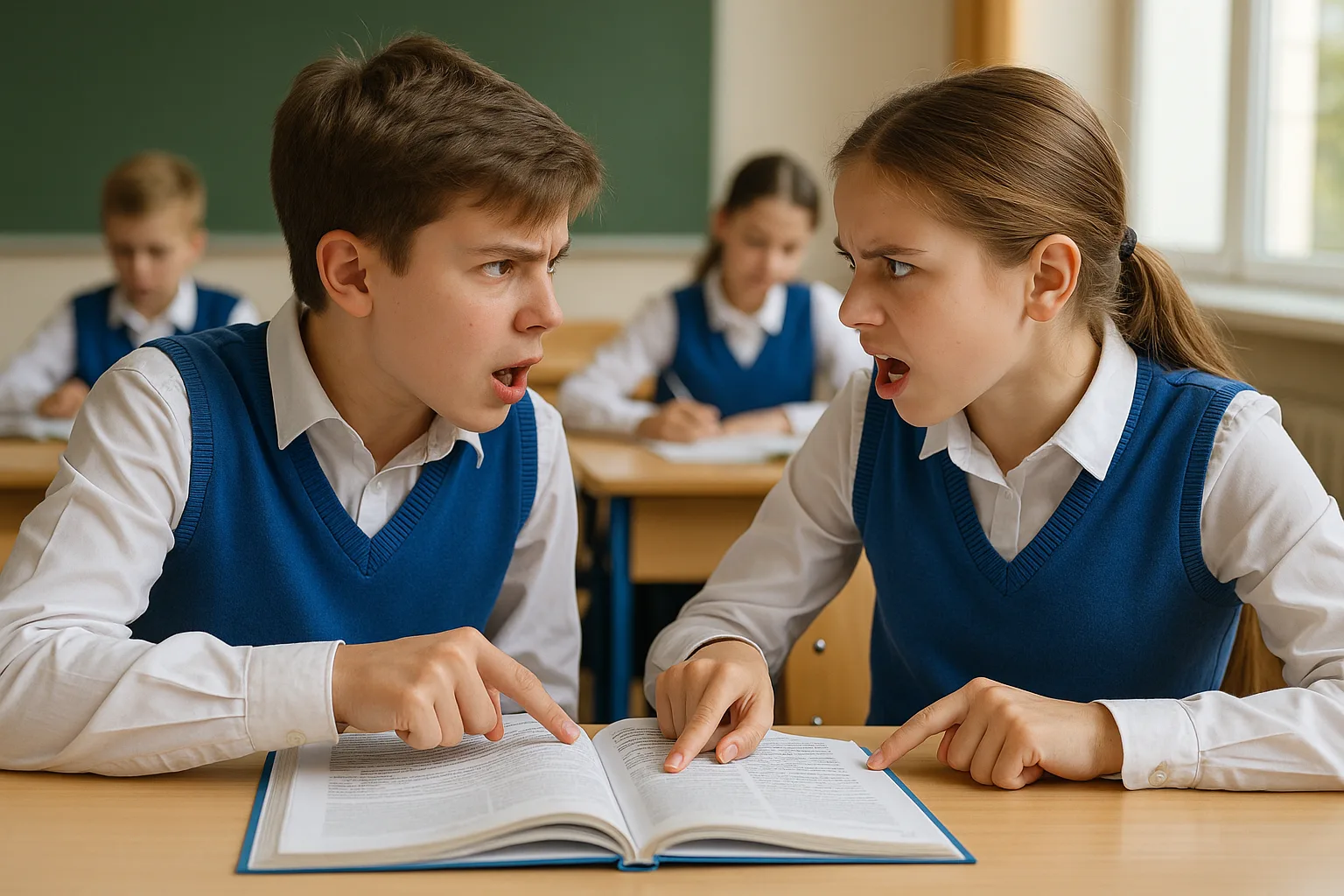
— Collaborative and inquiry-driven classrooms
— Socratic seminars, research labs, peer teaching.
— Inclusive and culturally responsive pedagogy
— Recognize local languages, traditions and multiple ways of knowing.
— Blended and low-bandwidth digital learning
— Use offline-capable resources, teacher-curated content and flipped-classroom models.
Regional teaching innovations for Karachaevsk
Drawing on the town’s geography, ethnic diversity and community structures, the following innovations can be piloted or scaled:
— Localized curriculum modules
— History, ecology and literature units built around Karachay-Cherkess Republic heritage, folk songs and oral histories.
— Bilingual and multilingual literacy programs
— Strengthen Russian and Karachay-Balkar (and other local languages) through parallel texts, storytelling and translanguaging classrooms.
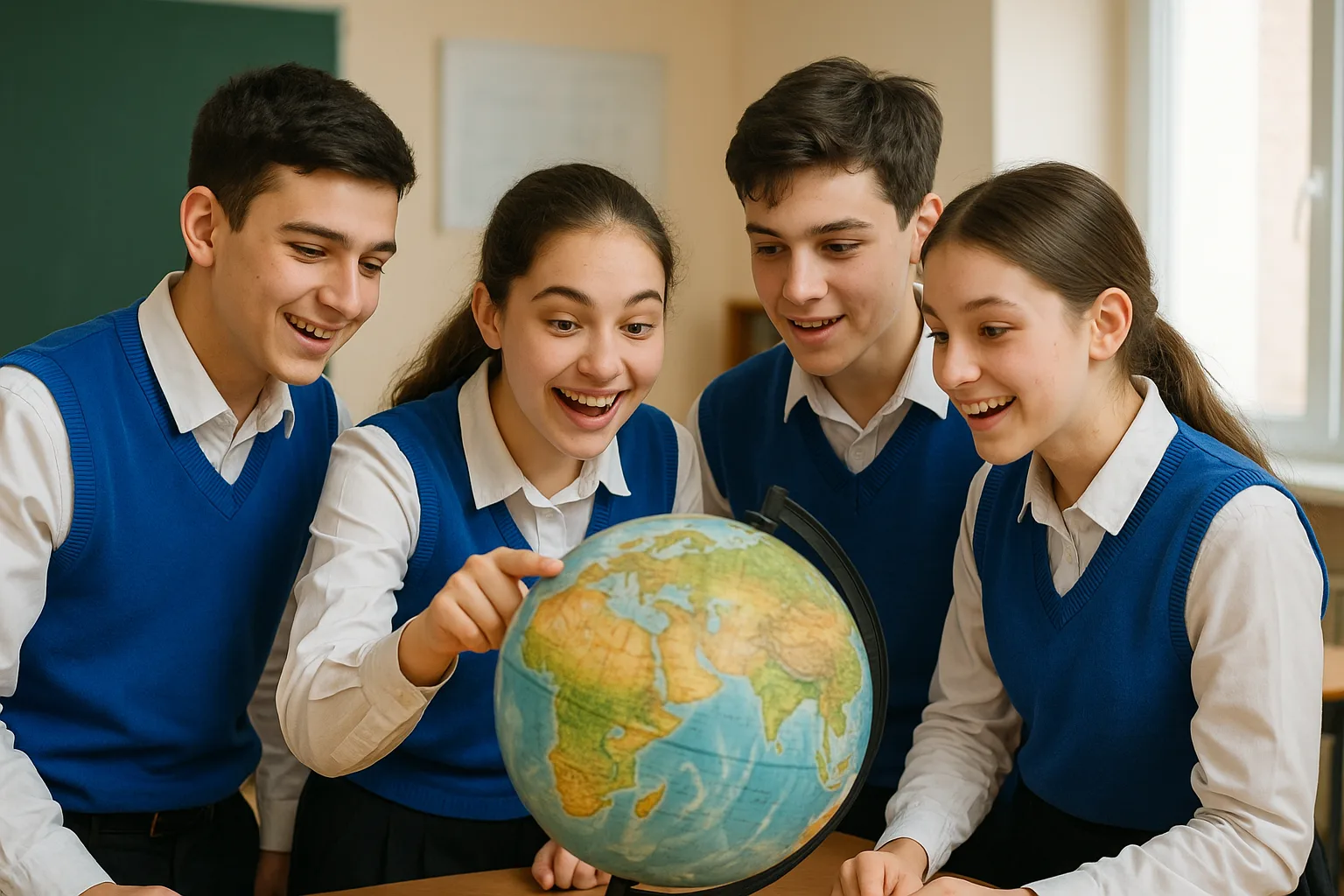
— Mountain and environmental fieldwork
— Regular outdoor labs: geology hikes, biodiversity surveys, agroecology projects involving local farmers.
— “Heritage in the Classroom” projects
— Students document crafts, songs and recipes; create digital archives and museum-style exhibits.
— Mobile STEM/Library Labs
— Vans or pop-up labs that visit remote villages with experiments, books and teacher training resources.
— School–community partnership models
— Apprenticeships with local artisans, municipal problem-solving projects, co-created cultural events.
— Teacher learning networks with regional universities
— Joint lesson study, micro-credentials and short residencies to refresh content knowledge and pedagogy.
— Low-tech/low-cost maker spaces
— Use local materials for engineering challenges that highlight sustainability and cultural relevance.
Implementation roadmap (practical steps)
1. Vision and stakeholder buy-in
— Convene educators, parents, community elders and municipal leaders to co-create priorities.
2. Pilot small, iterate fast
— Start with 2–3 pilot classes/projects (e.g., a semester-long PBL on local water quality).
3. Professional development
— Offer modular PD (lesson study, formative assessment, bilingual strategies) and peer coaching.
4. Resource mapping and partnerships
— Map local assets (artisans, scientists, NGOs) and formalize school partnerships.
5. Technology and infrastructure
— Prioritize low-bandwidth digital resources, mobile labs and basic field equipment.
6. Assessment and scaling
— Use portfolios, performance tasks and community feedback; scale what works across the gymnasium network.
Measures of success (indicators)
— Student outcomes: critical thinking, subject mastery, creative problem-solving demonstrated in projects/portfolios
— Engagement metrics: attendance, participation in extracurricular/community projects
— Language and cultural indicators: number of bilingual materials produced; student proficiency growth
— Teacher capacity: number completing specialized PD; evidence of new pedagogies in classrooms
— Community impact: collaborative initiatives, local solutions implemented, youth involvement in civic life
Anticipated challenges and mitigations
— Resistance to change
— Mitigation: small pilots, visible early successes, champions among teachers and parents.
— Limited resources
— Mitigation: prioritize low-cost pilots, seek local sponsorships, apply for regional/European grants.
— Teacher workload and skills gaps
— Mitigation: phased PD, peer mentoring, and recognition (micro-credentials, career pathways).
— Geographic isolation
— Mitigation: mobile labs, offline digital packs, rotating teacher residencies.
Quick-win project ideas
— “River Watch” — student teams monitor a local stream, combine science with mapping and community presentations.
— “Skills & Stories” — students interview elders, create bilingual podcasts and classroom exhibits.
— “Maker Mountain” — reuse-and-reinvent engineering challenges using locally sourced materials.
— After-school language cafes — peer-run sessions to practice Karachay-Balkar and Russian through games, songs and theater.
Conclusion — a call to collective action
Karachaevsk’s gymnasia can embody both rigor and relevance: strong academic foundations intertwined with local knowledge, multilingual respect and ecological stewardship. By piloting progressive practices anchored in regional strengths—and by supporting teachers, families and community partners—Karachaevsk can grow educational models that prepare students for global challenges while honoring place, identity and civic responsibility.
Takeaway: start small, collaborate widely, measure thoughtfully—and let the unique landscape and culture of Karachaevsk shape a modern gymnasium education that serves students and community alike.