Progressive Gymnasium Education in Karachaevsk: Values, Practices, and Regional Innovations
Education in Karachaevsk stands at the intersection of deep cultural heritage and a unique natural environment. By combining the enduring values of gymnasium education with progressive pedagogies and region-specific innovations, schools can prepare young people to be critical thinkers, community leaders, and stewards of the Caucasus. The following outlines practical approaches, local examples, and an implementation roadmap tailored to Karachaevsk.
Core values of gymnasium education (why they matter)
— *Intellectual rigor*: Emphasis on depth of knowledge, analytical thinking, and interdisciplinary connections.
— *Civic and cultural identity*: Respect for Karachay-Balkar language, traditions, and local history as part of a well-rounded education.
— *Holistic development*: Balanced focus on academics, arts, physical health, and moral education.
— *Equity and inclusion*: Ensuring access for students from mountain villages, diverse socioeconomic backgrounds, and special needs.
— *Lifelong learning*: Cultivating curiosity and the ability to learn independently.
Progressive educational practices to adopt
— Project-Based Learning (PBL)
— Longitudinal, community-linked projects (environmental monitoring, local history archives).
— Cross-subject teams linking science, literature, and social studies.
— Blended and flipped learning
— Short video lessons for homework; class time reserved for discussion and practice.
— Use low-bandwidth platforms and offline resources for remote mountain areas.
— Competency-based assessment
— Shift from high-stakes testing toward portfolios, presentations, and real-world tasks.
— Clear rubrics aligned with gymnasium values.
— STEAM and place-based education
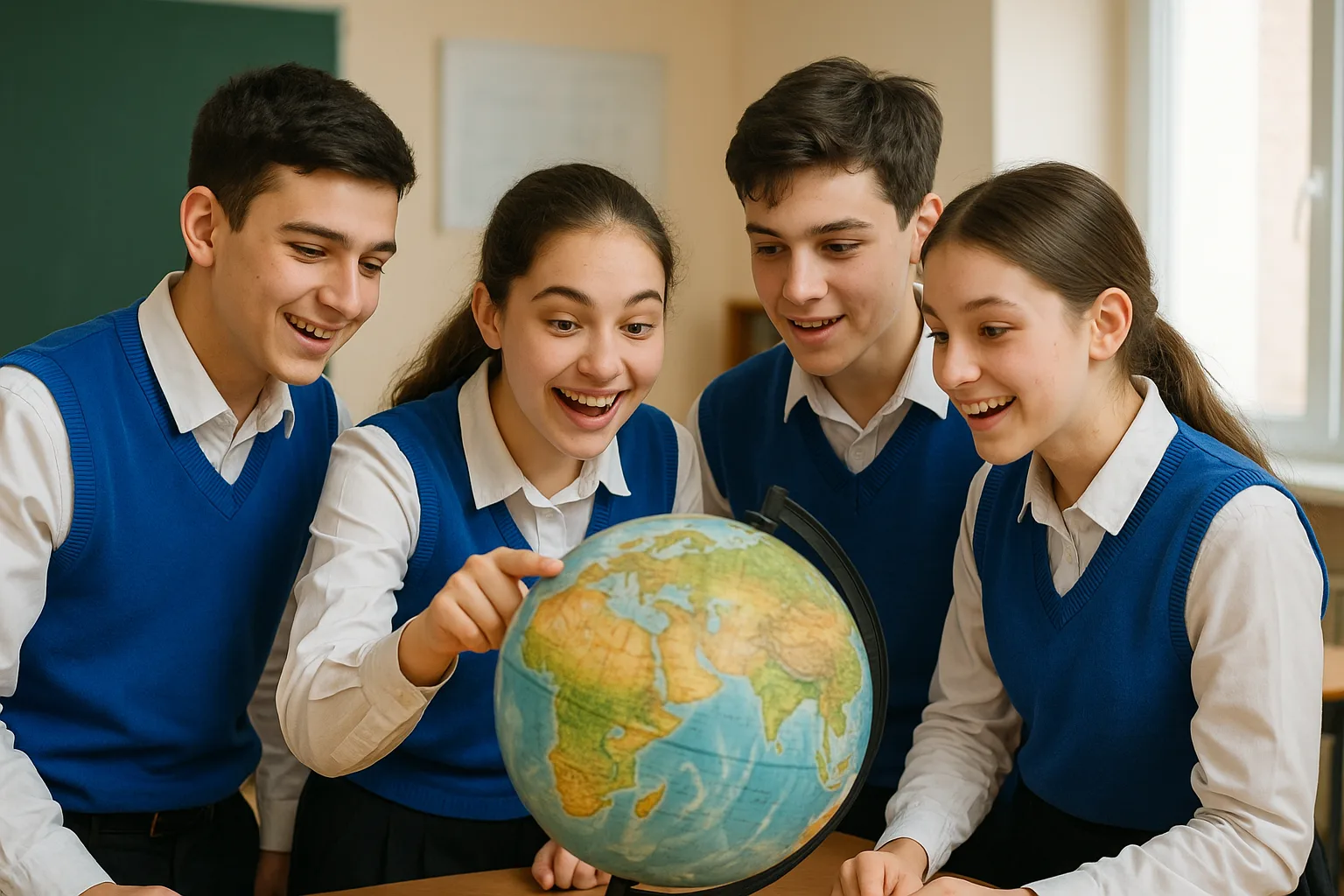
— Integrate science, technology, engineering, arts, and math around local contexts: hydrology of the Kuban tributaries, mountain ecology, traditional crafts.
— Bilingual and multilingual approaches
— Strengthen Russian and Karachay-Balkar language instruction to promote cognitive benefits and cultural preservation.
— Outdoor and experiential learning
— Regular fieldwork in the surrounding Caucasus landscapes, seasonal ecological camps, and heritage trails.
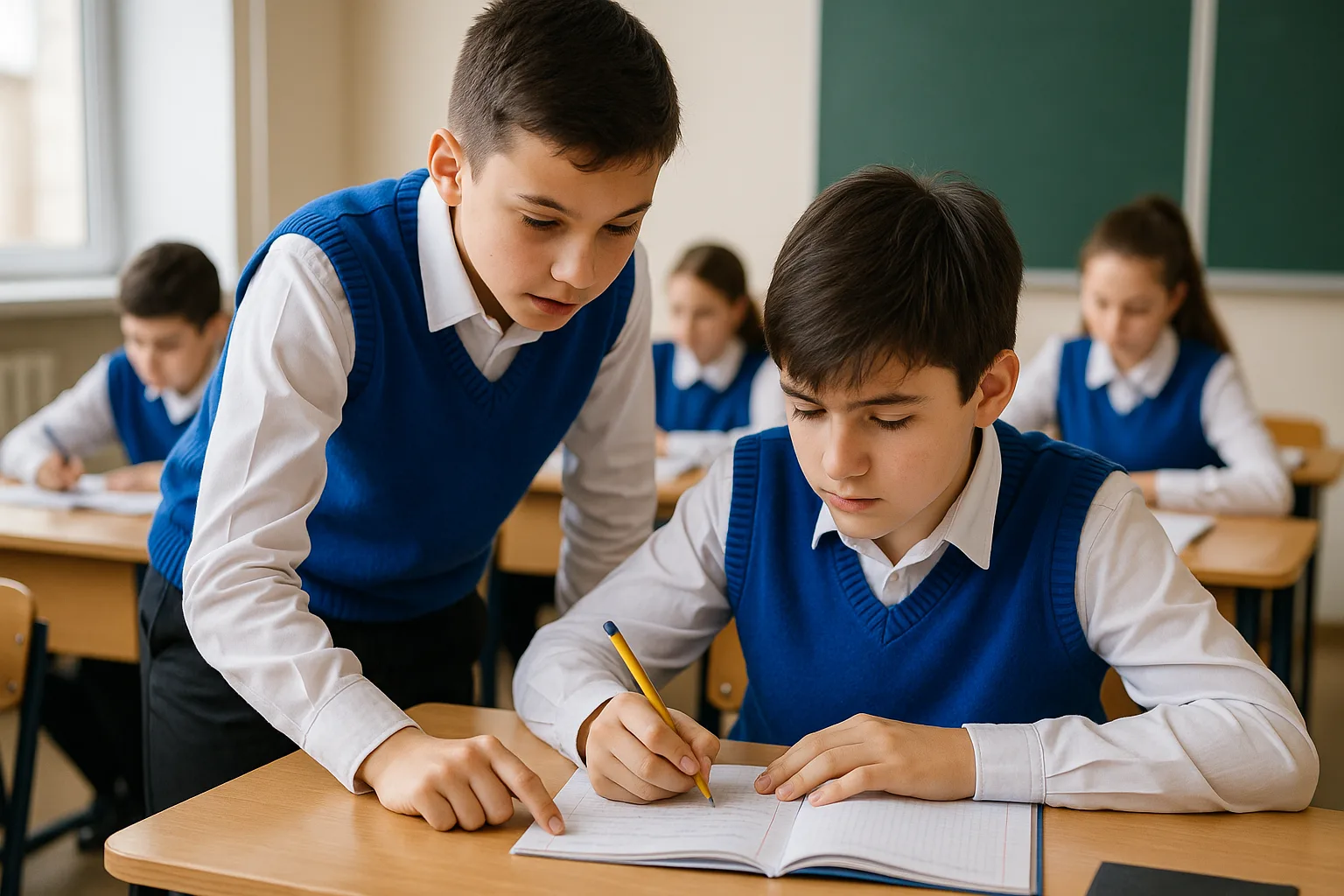
— Inclusive pedagogy and differentiated instruction
— Teacher training in adaptive methods; peer tutoring networks; accessible materials.
— Teacher professional learning communities (PLCs)
— Regular collaborative planning, classroom observation, and action research.
Regional innovations tailored to Karachaevsk (practical examples)
— Local ecology labs and citizen science
— Students measure water quality in mountain streams and contribute data to regional environmental agencies.
— Heritage curricula co-created with elders
— Oral history projects, mapping of folklore, and workshops with local artisans.
— Mobile classroom vans and «learning hubs»
— Equipped with tablets and portable lab kits to bring workshops to remote settlements.
— Partnership with regional universities and cultural centers
— Summer mentorships, laboratory access for high school research, and performance exchanges for arts programs.
— Digital archive of Karachay-Balkar literature and songs
— Student projects to digitize, annotate, and present local cultural materials.
— Community entrepreneurship incubators
— Links between school projects and local eco-tourism, crafts markets, and agricultural initiatives to teach business skills.
Implementation roadmap (practical steps)
Short-term (6–12 months)
— Convene a stakeholders’ council: head teachers, parents, local government, cultural leaders.
— Pilot 2–3 PBL units and one outdoor learning program.
— Begin teacher PLCs and provide targeted professional development workshops.
— Audit digital infrastructure and prioritize low-bandwidth solutions.
Medium-term (1–3 years)
— Scale successful pilots across the gymnasium network.
— Introduce competency-based assessment elements and student portfolios.
— Launch mobile classroom program for remote villages.
— Formalize partnerships with regional universities and environmental agencies.
Long-term (3–5 years)
— Institutionalize bilingual curricula and integrate local heritage across subjects.
— Develop a regional hub for teacher training and curriculum innovation in Karachaevsk.
— Establish monitoring systems and public reporting on learning outcomes and community impact.
Funding and sustainability ideas
— Apply for regional education grants and federal innovation funds.
— Partner with NGOs focused on cultural preservation, environment, and rural development.
— Engage local businesses and eco-tourism operations for sponsorship and work-based learning placements.
— Use low-cost, high-impact investments first (teacher training, project resources, mobile kits).
Measuring success (key indicators)
— Student outcomes: growth in competencies, portfolio quality, project impact.
— Language and culture: increased student fluency and participation in cultural projects.
— Access and equity: reduced gaps for remote and vulnerable students.
— Community impact: number of community-linked projects, environmental data contributions, local economic spin-offs.
— Teacher professional growth: frequency of PLCs, classroom innovation uptake.
Challenges and mitigation
— Connectivity and resource gaps — use offline-first tools, mobile hubs, and printed guides.
— Teacher workload — provide planning time, stipends for pilot teachers, and shared resources.
— Resistance to change — highlight early wins, involve parents and local leaders, and demonstrate measurable benefits.
Conclusion — a call to action
Karachaevsk has the natural, cultural, and human capital to make gymnasium education both academically rigorous and deeply rooted in place. By combining progressive practices with region-specific innovations—starting with small pilots, investing in teachers, and partnering with the community—local schools can cultivate adaptable, proud, and capable young people ready for the challenges of the 21st century.
If you’d like, I can draft a sample one-year pilot plan for a gymnasium in Karachaevsk (with lesson themes, resource lists, and evaluation metrics).