Introduction
Karachaevsk, nestled in the North Caucasus, sits at the crossroads of deep cultural traditions and urgent 21st-century demands. Gymnasium education—rooted in breadth, intellectual rigor, and civic formation—can become the bridge between the region’s heritage and young people’s futures. This article outlines the core values of gymnasium schooling, progressive educational practices that enhance those values, and concrete regional innovations that make gymnasium education in Karachaevsk both locally meaningful and globally competitive.
Core values of gymnasium education
— Intellectual depth and academic excellence: fostering curiosity, conceptual understanding, and disciplined study habits.
— Civic and moral formation: developing responsibility, respect for tradition, and community-minded leadership.
— Cultural literacy: preserving and transmitting local languages, history, and arts alongside national and global perspectives.
— Holistic development: balancing cognitive skills with creativity, physical health, and emotional resilience.
— Equity and accessibility: ensuring that high-quality, demanding education is available to diverse learners.
Progressive practices that strengthen gymnasium values
— Project-based learning (PBL): multidisciplinary projects tied to real community challenges reinforce depth of knowledge and civic responsibility.
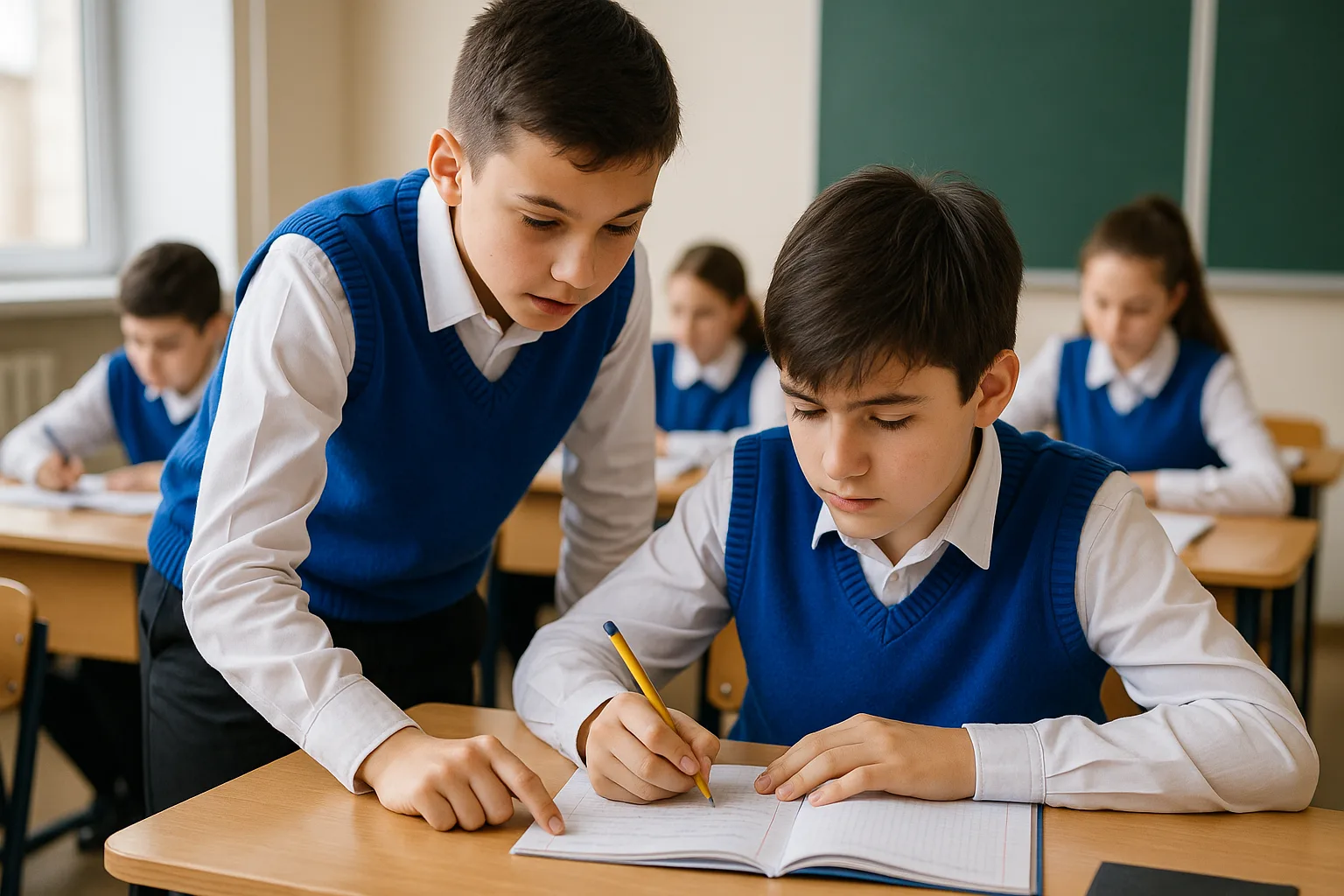
— Personalized learning pathways: adaptive curricula and mentoring let students pursue strengths—whether mathematics, literature, or environmental science—without sacrificing a shared academic core.
— Formative assessment and feedback loops: frequent, low-stakes checks that guide instruction and cultivate metacognitive skills.
— Blended and digital learning: purposeful use of technology to expand resources, differentiate instruction, and connect students with experts beyond the region.
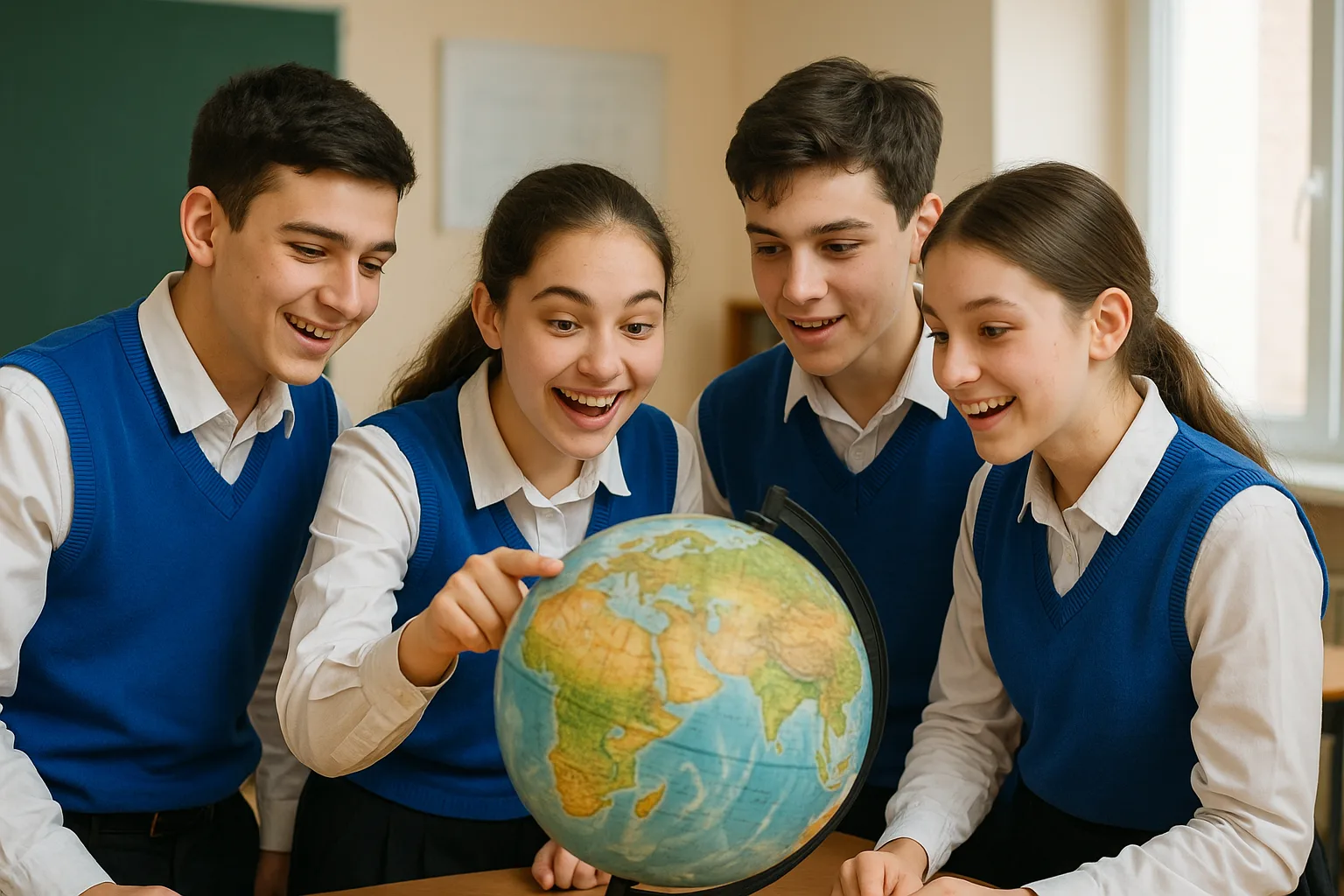
— STEAM integration: combining science, technology, engineering, arts, and math to nurture creativity and problem-solving.
— Outdoor and place-based education: learning anchored in the Caucasus landscape fosters ecological literacy and a sense of belonging.
— Teacher professional learning communities: sustained, school-based collaboration for curriculum design, classroom practice, and peer coaching.
— Inclusive practices: universal design for learning, multilingual instruction, and support systems that ensure every student can thrive.
Regional teaching innovations for Karachaevsk
— Place-based environmental curricula: use the unique mountain ecosystems for hands-on biology, geology, and climate studies—students collect data, analyze trends, and present community-minded solutions.
— Bilingual and intercultural programs: weave Karachay-Balkar language and local folklore into literature, history, and arts lessons to strengthen identity while building Russian and foreign language competence.
— Community partnership projects: link gymnasium students with local government, cultural centers, and small businesses for internships, restoration of heritage sites, and social-action projects.
— Mountain-safety and outdoor leadership modules: formalize skills in navigation, first aid, and sustainable outdoor practices as part of physical education and citizenship training.
— Local STEAM hubs and maker spaces: small innovation labs where students prototype solutions—e.g., water-quality sensors or energy-efficient models—relevant to regional needs.
— Digital resource networks: shared lesson repositories and virtual exchanges connecting Karachaevsk gymnasiums with other regional and national schools to broaden course offerings (advanced math, foreign languages).
— Festivalized learning and public exhibitions: annual showcases of student research, traditional crafts, and performances that bind school and community and provide authentic audiences for student work.
— Teacher exchange and mentorship programs: short-term exchanges with urban gymnasiums and partnerships with university teacher-education centers to bring new pedagogies into classrooms.
Implementation roadmap (practical steps for school leaders)
1. Clarify values and priorities with staff, parents, and community representatives.
2. Pilot one high-impact practice (e.g., a semester-long PBL unit tied to a local environmental issue).
3. Build teacher capacity through targeted professional development and peer coaching.
4. Secure small-scale resources: lab kits, mobile devices, community volunteers, and outdoor equipment.
5. Formalize partnerships with local cultural institutions, businesses, and regional universities.
6. Collect and use formative data to refine practice; share successes publicly to build momentum.
7. Scale thoughtfully: expand pilots that show impact and sustainability.
A vignette: how this looks in practice
At a Karachaevsk gymnasium, a mixed-age team researches spring water quality. Students learn sampling methods (science), write a public report in Karachay and Russian (language), create an infographic (art and digital literacy), and present recommendations to local leaders (civic engagement). Teachers meet weekly to align instruction; a nearby maker space helps students build simple sensors. The project deepens content knowledge, elevates local voices, and produces tangible benefits for the community.
Conclusion
Gymnasium education in Karachaevsk has the potential to be simultaneously rooted and forward-looking: honoring language, culture, and landscape while equipping students with the critical thinking, creativity, and civic agency required for an uncertain future. By embracing progressive practices—anchored in place and driven by community partnerships—Karachaevsk’s schools can become models of regional innovation that serve both local needs and global aspirations.
Call to action
Principals, teachers, parents, and local leaders: start small, collaborate broadly, and commit to continuous learning. The mountain context and rich cultural heritage are not constraints but catalysts for an education that is rigorous, relevant, and resilient.