Rooted Innovation: Progressive Gymnasium Education and Regional Teaching Practices in Karachaevsk
Education in Karachaevsk stands at the intersection of tradition and transformation. Gymnasiums—valued for academic rigor and cultural formation—can lead regional renewal when combined with progressive teaching practices tailored to the Caucasus context. This article outlines core values of gymnasium education, practical progressive strategies, and scalable regional innovations that respect local identity while preparing students for the 21st century.
The enduring values of gymnasium education
Gymnasiums traditionally embody a set of values that remain relevant and can be reframed for modern needs:
— *Academic excellence*: deep, concept-based learning across disciplines.
— *Civic and moral formation*: cultivating responsibility, community engagement, and ethical reasoning.
— *Cultural continuity*: preserving local languages, history, and artistic traditions.
— *Holistic development*: balancing intellectual, social, physical, and emotional growth.
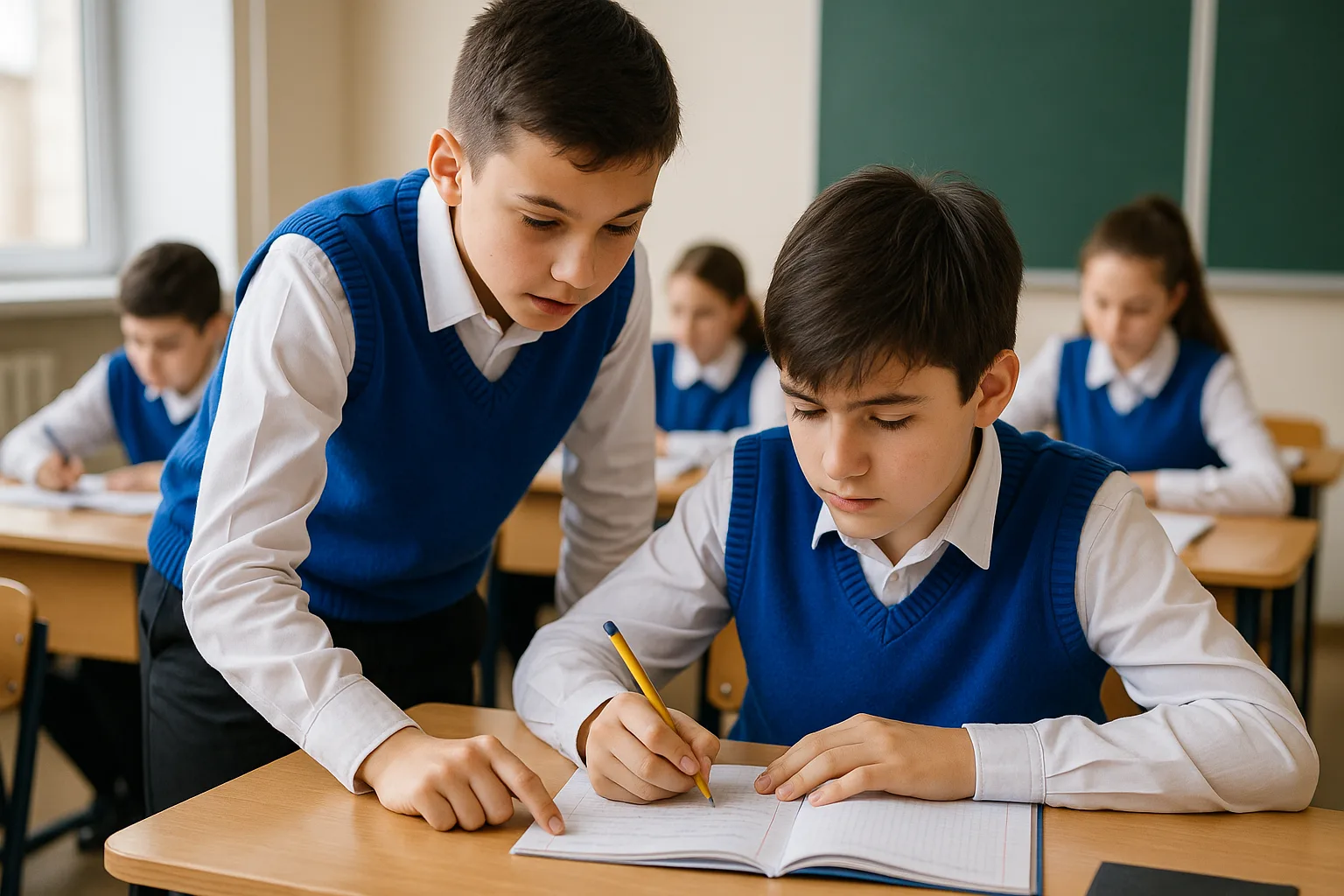
— *Mentorship and standards*: teachers as mentors who model high expectations and intellectual curiosity.
Progressive practices that align with gymnasium values
Progressive methods do not replace core gymnasium aims; they extend them. Key approaches include:
— Personalized and competency-based learning
— Individual learning pathways with competency rubrics.
— Flexible pacing and enrichment for advanced learners.
— Project-based and place-based learning
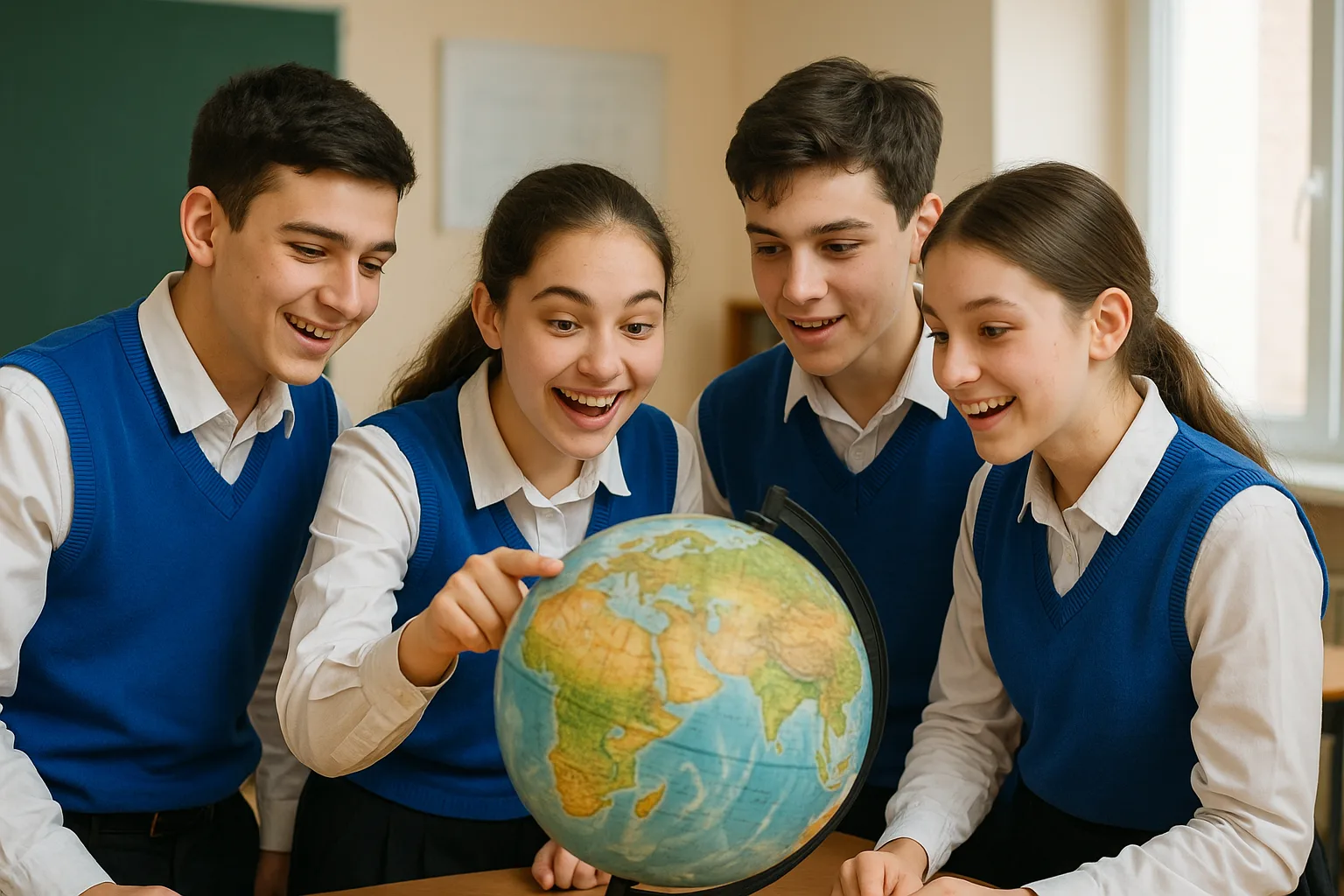
— Long-term interdisciplinary projects rooted in Karachaevsk’s environment and culture (e.g., river ecology, mountain history).
— Blended and flipped learning
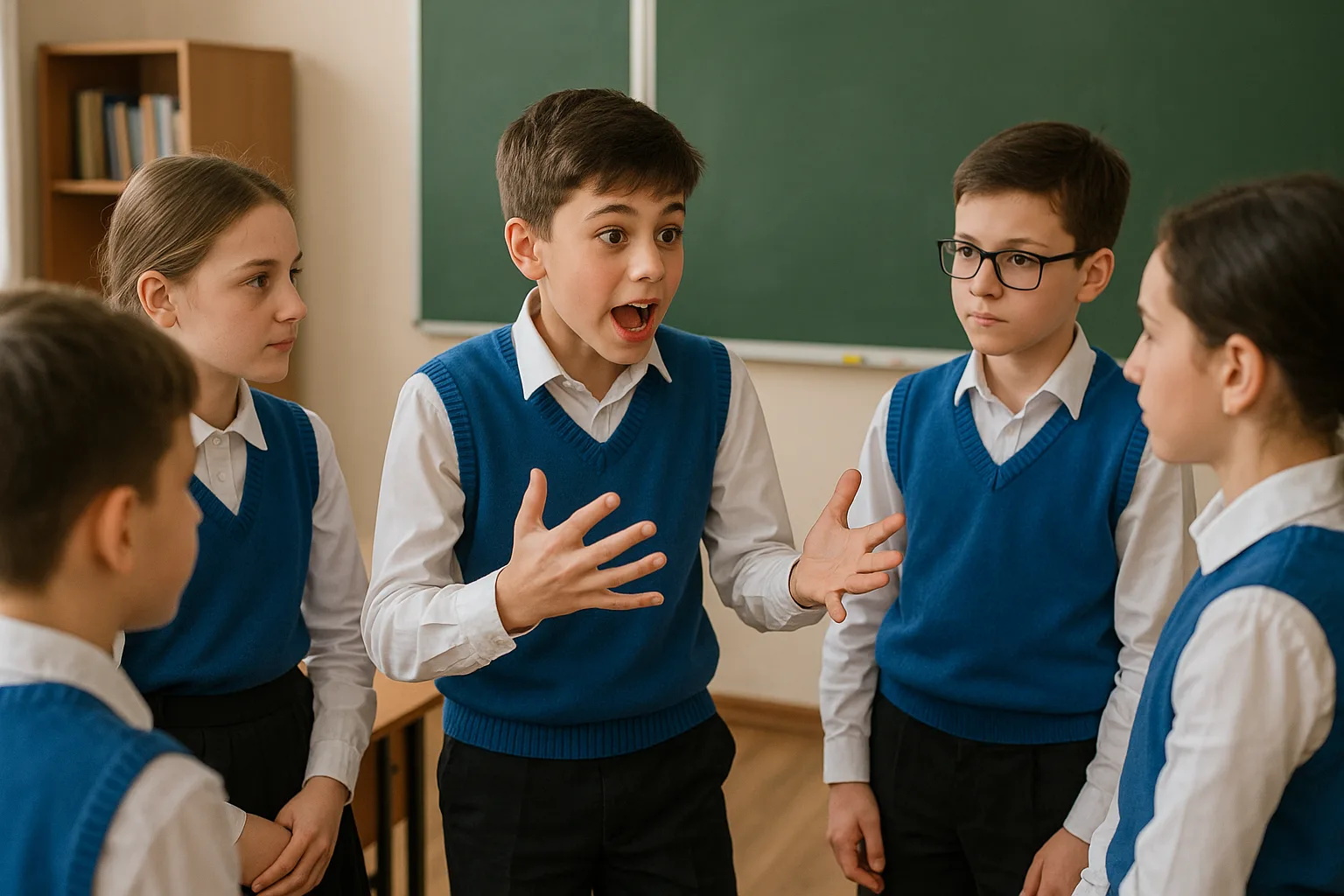
— Use digital resources for content delivery; class time for dialogue, problem-solving, and mentoring.
— Formative assessment and feedback culture
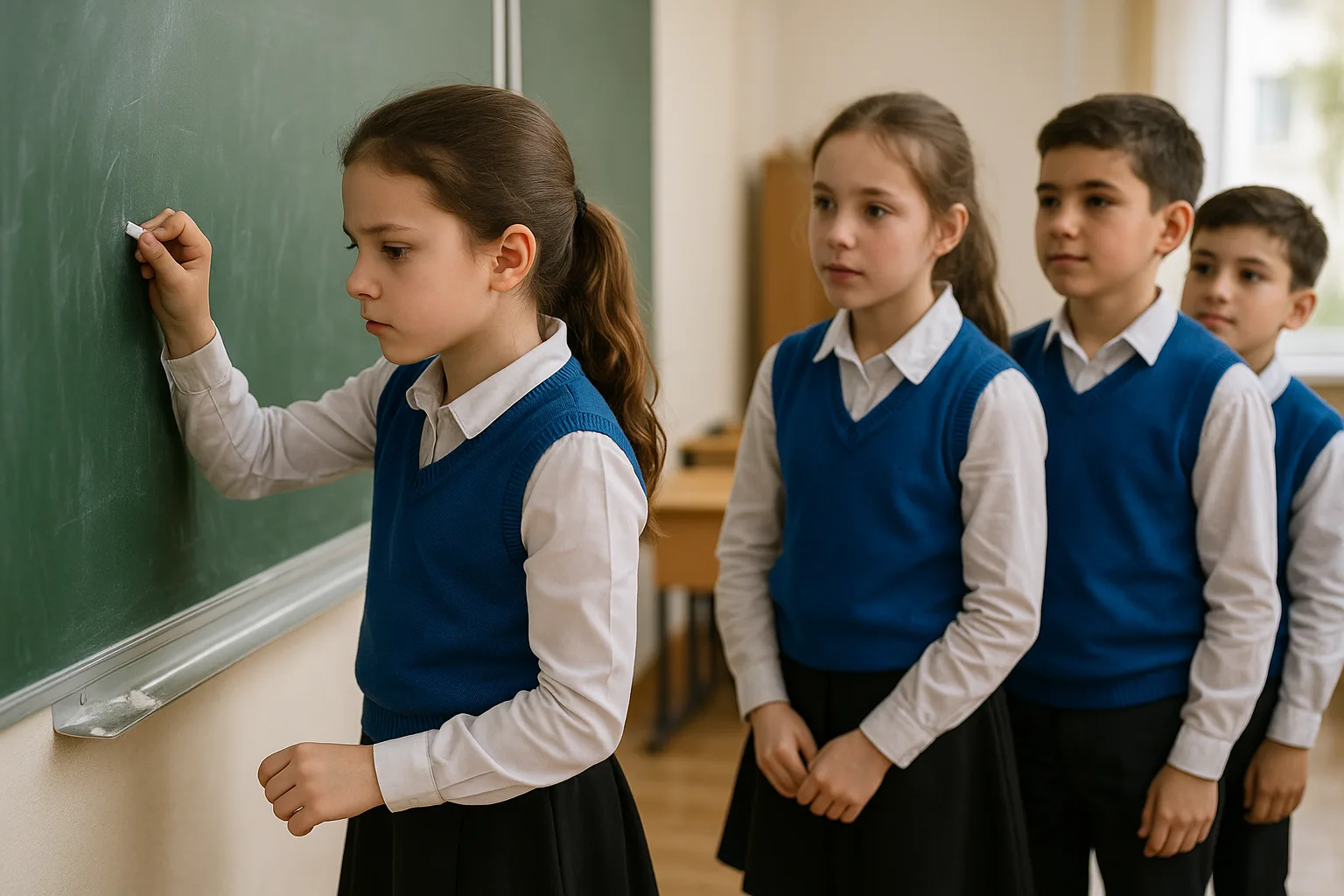
— Frequent low-stakes assessment, portfolios, and student self-evaluation.
— Socio-emotional learning (SEL) and inclusive pedagogy
— Explicit SEL curricula and strategies to support diverse learners, including students from minority language families.
— Collaborative teacher practice
— Lesson study, peer coaching, and professional learning communities within and between schools.
Regional teaching innovations for Karachaevsk
Local context is an asset. Innovations are most successful when they tap into the region’s culture, landscape, and community networks.
— Heritage and bilingual programs
— Integrate Karachay-Balkar language and regional history into the curriculum through literature, oral-history projects, and bilingual content modules.
— Caucasus Ecology and Field Laboratory
— Create an outdoor learning program where students study local ecosystems, carry out citizen-science projects, and contribute data to regional research.
— Mountain STEM and Maker Labs
— Hands-on STEM modules that solve local problems (slope stabilization studies, micro-hydro prototypes, weather monitoring) combined with maker-space skillbuilding.
— Community apprenticeship and civic forums
— Short apprenticeships with local artisans, agricultural enterprises, and municipal services; student-led civic forums to present proposals to local councils.
— Digital bridges and mobile learning
— Mobile labs and targeted online content to expand access to specialized instruction (advanced math, modern languages, coding) in resource-limited settings.
— Cultural arts and festival integration
— Partner with local cultural centers to embed traditional music, crafts, and storytelling into school festivals and curricula.
Implementation roadmap (practical steps)
1. Vision and stakeholder alignment (0–3 months)
— Convene teachers, parents, municipal leaders, cultural representatives, and students to define priorities.
2. Pilot projects (3–12 months)
— Launch 2–3 pilots (e.g., a place-based science project, bilingual literature module, and a teacher lesson study group).
3. Capacity building (6–18 months)
— Professional development: blended workshops, peer coaching, and partnerships with regional universities or NGOs.
4. Scale and integrate (12–36 months)
— Evaluate pilots, document best practices, expand successful programs across gymnasiums and feeder schools.
5. Sustainability (ongoing)
— Secure diverse funding (municipal budgets, regional grants, local business sponsorships), establish community oversight and ongoing teacher networks.
Measuring impact: simple KPIs
— Academic outcomes: improvements in mastery-based assessments and subject-portfolios.
— Engagement: attendance, participation in projects, extracurricular uptake.
— Language and culture: number of bilingual lessons, student-produced cultural artifacts, community participation in school events.
— Teacher growth: frequency of peer observations, professional development hours, teacher retention.
— Community outcomes: number of local partnerships, student internships/apprenticeships, policy proposals adopted.
Funding and partnerships
— Municipal and regional education funds for seed programs.
— Grants from national or international educational foundations focused on rural, Indigenous, or multilingual education.
— Collaboration with regional universities and research centers for curriculum support and evaluation.
— In-kind contributions from local businesses, artisans, and cultural organizations.
Risks and mitigation
— Resource constraints: start small; use low-cost prototypes and community volunteers.
— Resistance to change: maintain alignment with gymnasium values; highlight benefits for academic rigor and cultural preservation.
— Uneven teacher readiness: offer scaffolded professional development and mentorship.
Conclusion
Karachaevsk’s gymnasiums can become beacons of regional innovation by fusing the time-honored values of rigorous, character-focused education with progressive, place-based practices. The result is an education that honors local identity, prepares students for contemporary careers, and strengthens civic life in the Caucasus. With strategic pilots, community partnerships, and sustained teacher development, these innovations can scale—rooted in the mountains, engaged with the future.