Introduction
Karachaevsk, nestled in the foothills of the North Caucasus, is a place where rich cultural traditions, mountain landscapes, and close-knit communities shape everyday life. Bringing progressive educational practices into the local gymnasium system can both preserve regional identity and prepare young people for the complexities of the 21st century. This article explores how gymnasium education in Karachaevsk can blend time-honored values with innovative teaching methods to foster engaged, capable, and culturally grounded learners.
The core values of gymnasium education
Gymnasium education traditionally emphasizes depth of knowledge, intellectual rigor, civic responsibility, and a holistic approach to student development. In Karachaevsk, these values take on local nuance:
— *Academic excellence*: cultivating critical thinking, strong literacy and numeracy, and a love of lifelong learning.
— *Cultural continuity*: honoring Karachay-Balkar language and traditions, regional history, and arts.
— *Community orientation*: preparing students to contribute responsibly to family and local society.
— *Personal development*: nurturing resilience, ethical behavior, and emotional intelligence.
Progressive practices do not discard these values; they amplify them through student-centered pedagogy and real-world relevance.
Progressive practices that align with regional needs
Below are practical, high-impact strategies that gymnasiums in Karachaevsk can adopt or expand. Each practice can be tailored to local conditions, resources, and community strengths.
— Project-based learning (PBL)
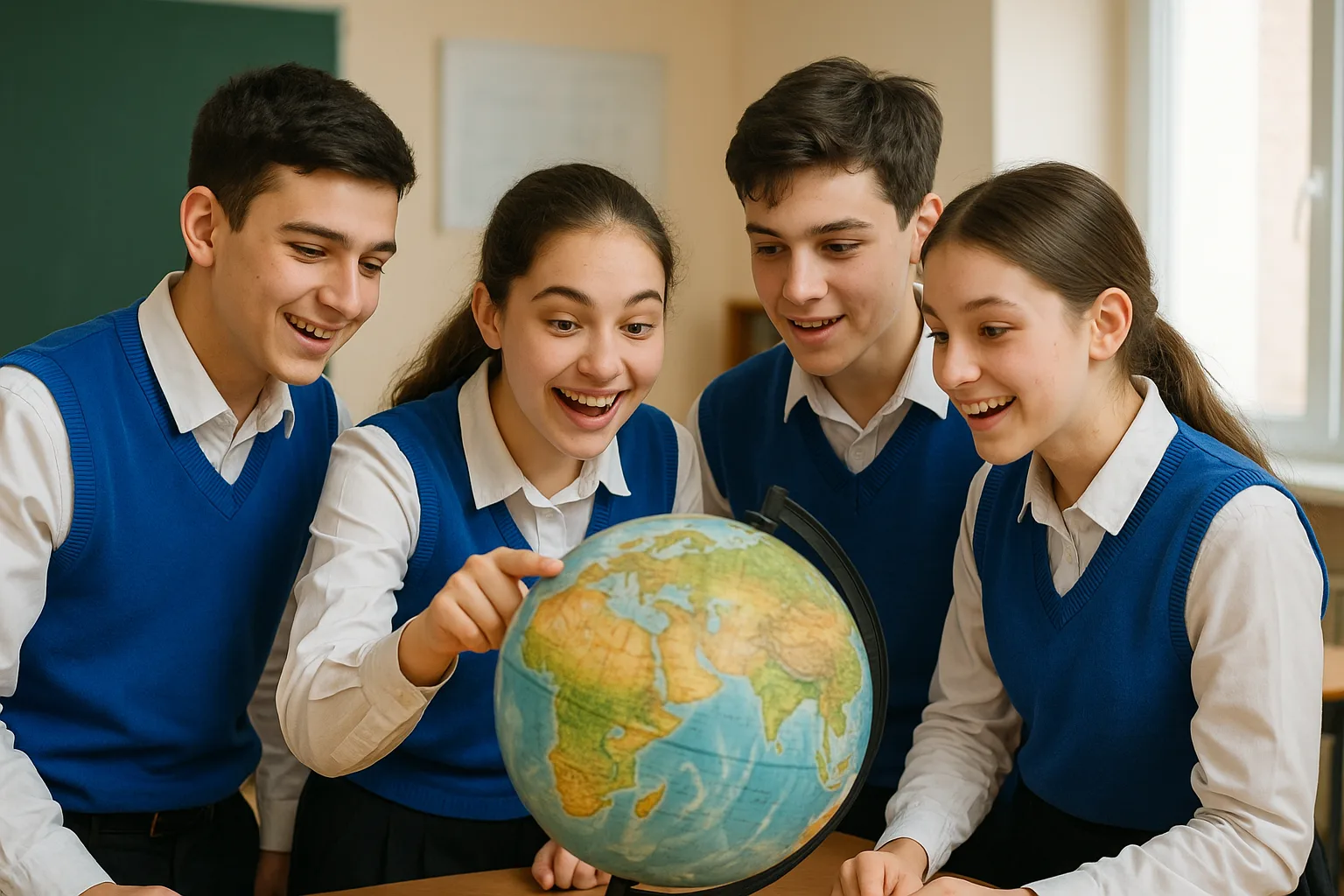
— Students work on extended interdisciplinary projects tied to local needs (e.g., mapping mountain biodiversity, designing sustainable tourism plans for nearby trails, documenting oral histories).
— PBL fosters collaboration, research skills, and tangible community impact.
— Place-based education
— Curriculum connects classroom content to the local environment, economy, and culture.
— Examples: fieldwork in the Elbrus watershed, traditional crafts integrated into art and geometry lessons, comparative studies of local flora.
— Bilingual and multilingual instruction
— Strengthening instruction in Russian while preserving and teaching Karachay-Balkar supports identity and cognitive development.
— Content-area teaching in both languages fosters deeper understanding and cultural pride.
— STEAM integration with local relevance
— Blend science, technology, engineering, arts, and mathematics through projects like small-scale renewable energy pilots or heritage-preservation design challenges.
— Emphasize hands-on labs and maker spaces adapted to available resources.
— Formative assessment and portfolios
— Replace sole reliance on high-stakes testing with ongoing feedback, student self-assessment, and digital/physical portfolios documenting learning progress.
— Portfolios can showcase multi-year projects grounded in local themes.
— Differentiated and personalized learning
— Use flexible grouping, learning contracts, and adaptive materials to meet varied learner needs, including gifted students and those requiring additional support.
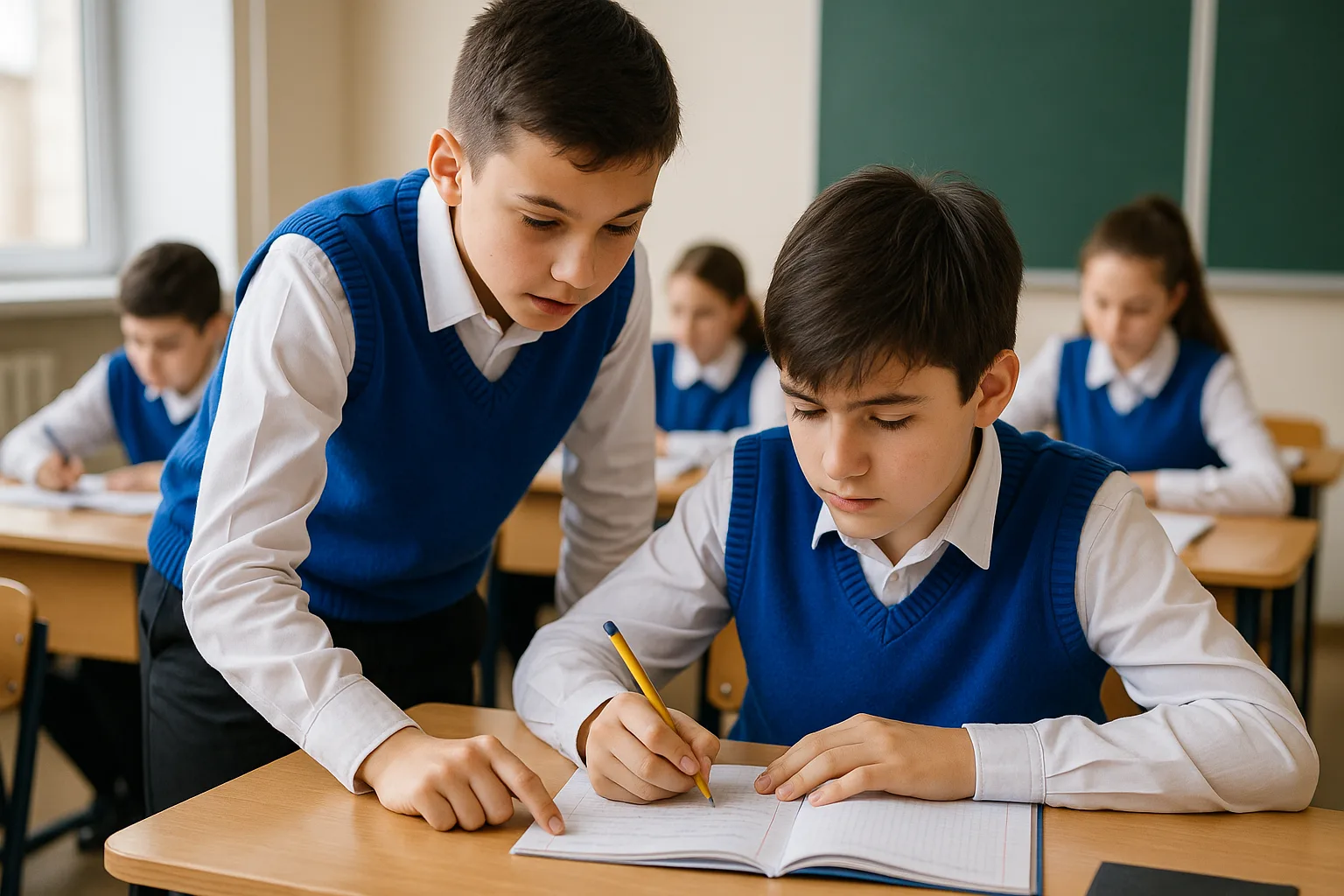
— Mentorship programs link older students with younger peers, amplifying local social capital.
— Digital literacy and blended learning
— Introduce blended models that combine face-to-face instruction with curated digital content, enabling access to broader resources while remaining rooted in community.
— Focus on critical media literacy to navigate information landscapes.
Teacher professional development and collaborative cultures
Teachers are the linchpin of any educational reform. Sustainable innovation in Karachaevsk requires investment in professional growth:
— Peer coaching and professional learning communities (PLCs) enable teachers to co-design place-based units and share effective practices.
— Partnerships with regional universities and institutes can provide in-service training in inquiry-based methods, differentiated instruction, and assessment literacy.
— Micro-credentials and recognition for teachers who lead community-linked innovations encourage experimentation and scale.
Community and institutional partnerships
Education in Karachaevsk benefits from strong ties between schools and the broader community.
— Collaboration with local cultural institutions, NGOs, and municipal authorities can supply mentors, project sites, and funding opportunities.
— Involving elders and cultural bearers as classroom partners strengthens intergenerational learning and preserves intangible heritage.
— Engaging local businesses and tourism operators can create internships and real-world learning pathways.
Inclusion, equity, and social-emotional learning
Progressive gymnasium education must be inclusive:
— Ensure equitable access to enrichment programs and technology, with targeted support for disadvantaged learners.
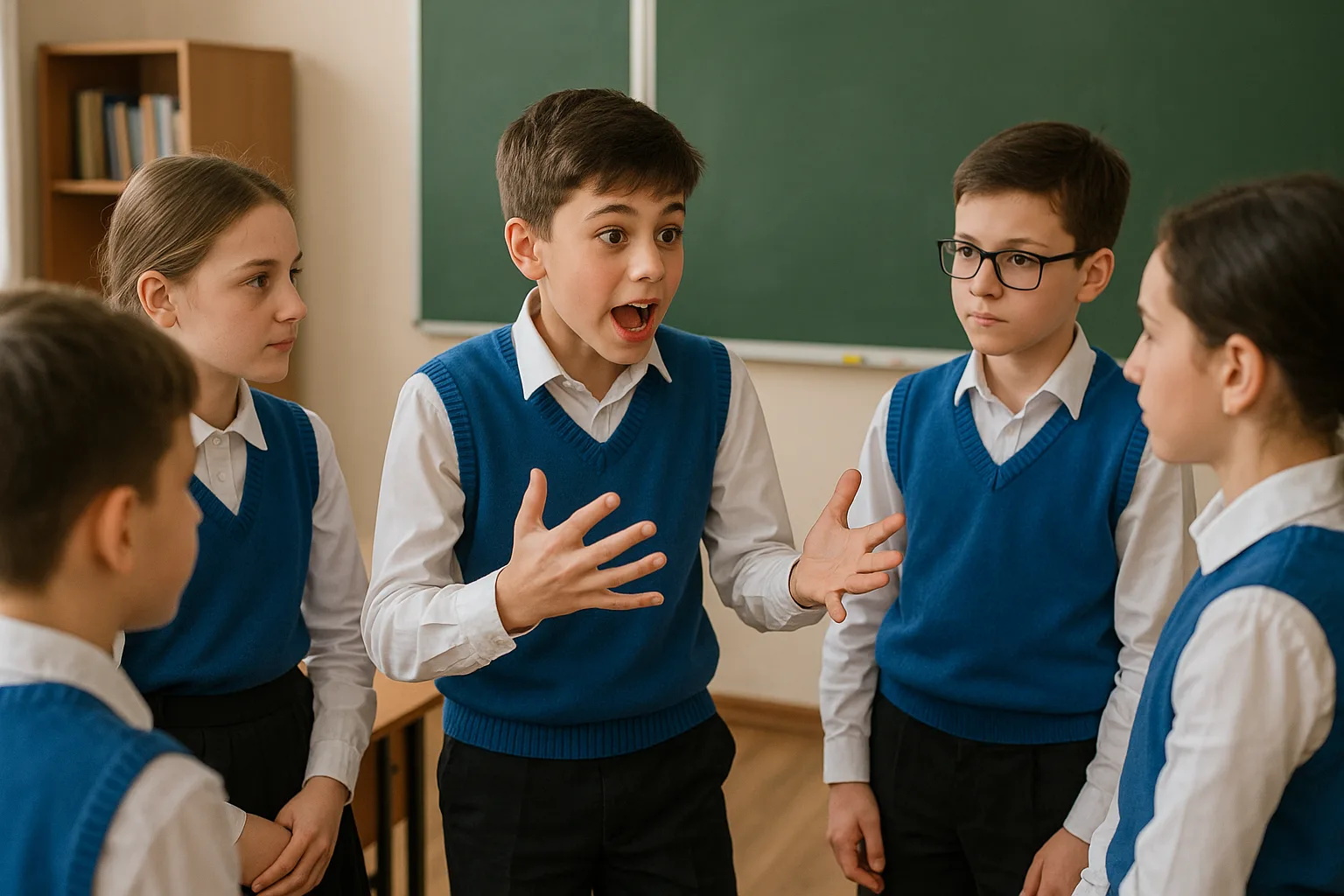
— Embed social-emotional learning (SEL) into the school day—teaching conflict resolution, teamwork, and well-being equips students to thrive in complex social environments.
— Adapt physical spaces and schedules to accommodate mountain-season rhythms and family responsibilities common in rural contexts.
Practical steps for implementation in Karachaevsk
A phased, community-driven approach increases the chance of success:
1. Conduct a needs-and-assets assessment with teachers, parents, students, and local leaders to identify priorities.
2. Launch pilot projects (1–2 classes or grades) focused on place-based PBL and formative assessment.
3. Create teacher PLCs and schedule regular reflection cycles to iterate on practice.
4. Document outcomes through student portfolios and community showcases to build support.
5. Scale successful pilots, seeking regional grants or partnerships for resources and training.
Measuring impact
Use a mix of qualitative and quantitative indicators:
— Student outcomes: deeper understanding, improved critical thinking, portfolio quality.
— Engagement: attendance, participation in extracurriculars, community project involvement.
— Teacher growth: classroom observations, peer reviews, professional development milestones.
— Community feedback: local stakeholder satisfaction and evidence of community benefits from student projects.
Conclusion
Karachaevsk’s gymnasiums have a unique opportunity: to blend the region’s rich cultural heritage and mountain identity with evidence-based, progressive educational practices. By grounding innovation in local values—language, community, and landscape—schools can prepare students to succeed academically while remaining rooted in the traditions and needs of their home region. Small pilots, strong teacher collaboration, and active community partnerships will turn vision into sustainable practice.
— Call to action: School leaders, teachers, and community members should begin by convening a local education forum to identify one high-impact project that aligns curriculum with Karachaevsk’s cultural and environmental strengths.